
 Save to Pinterest
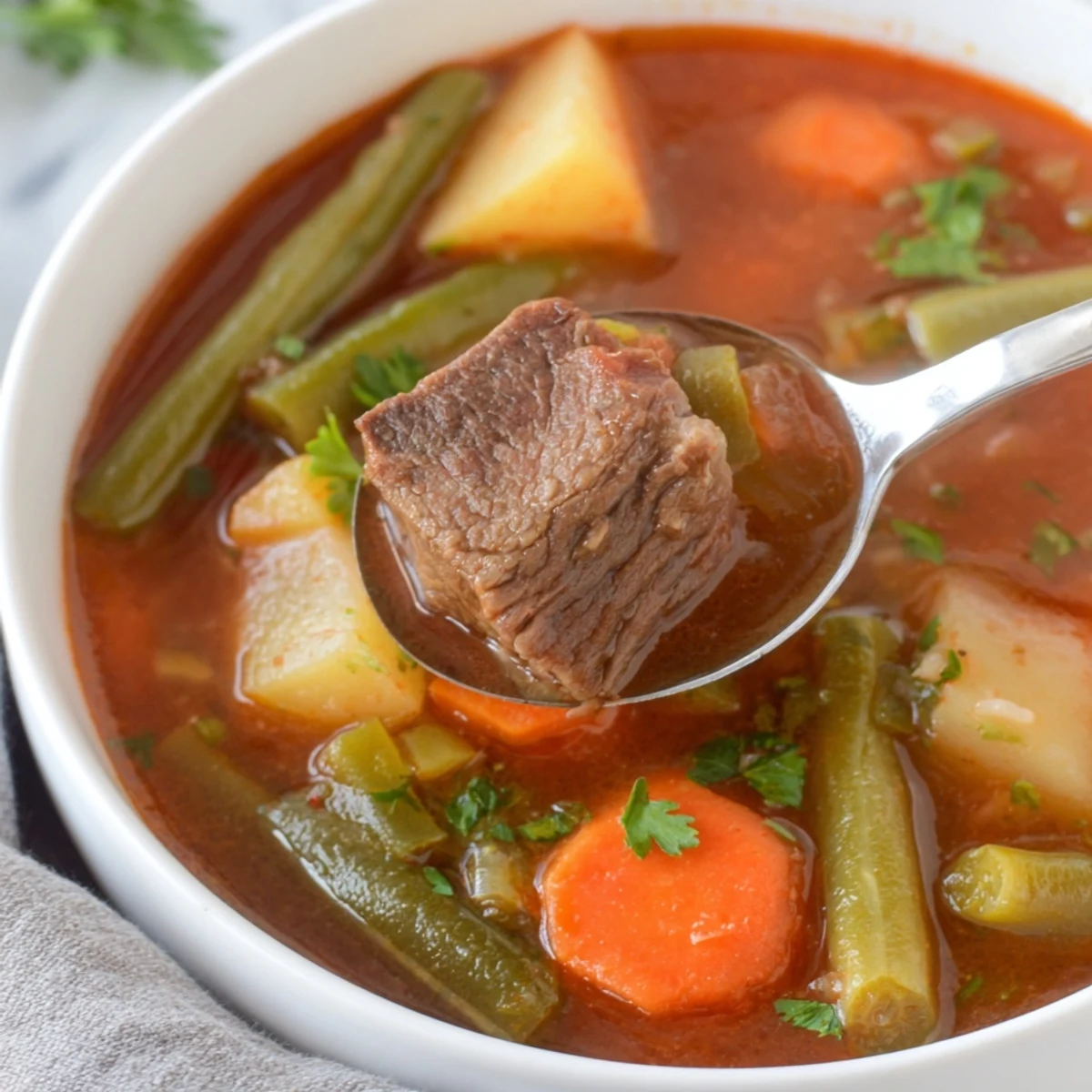
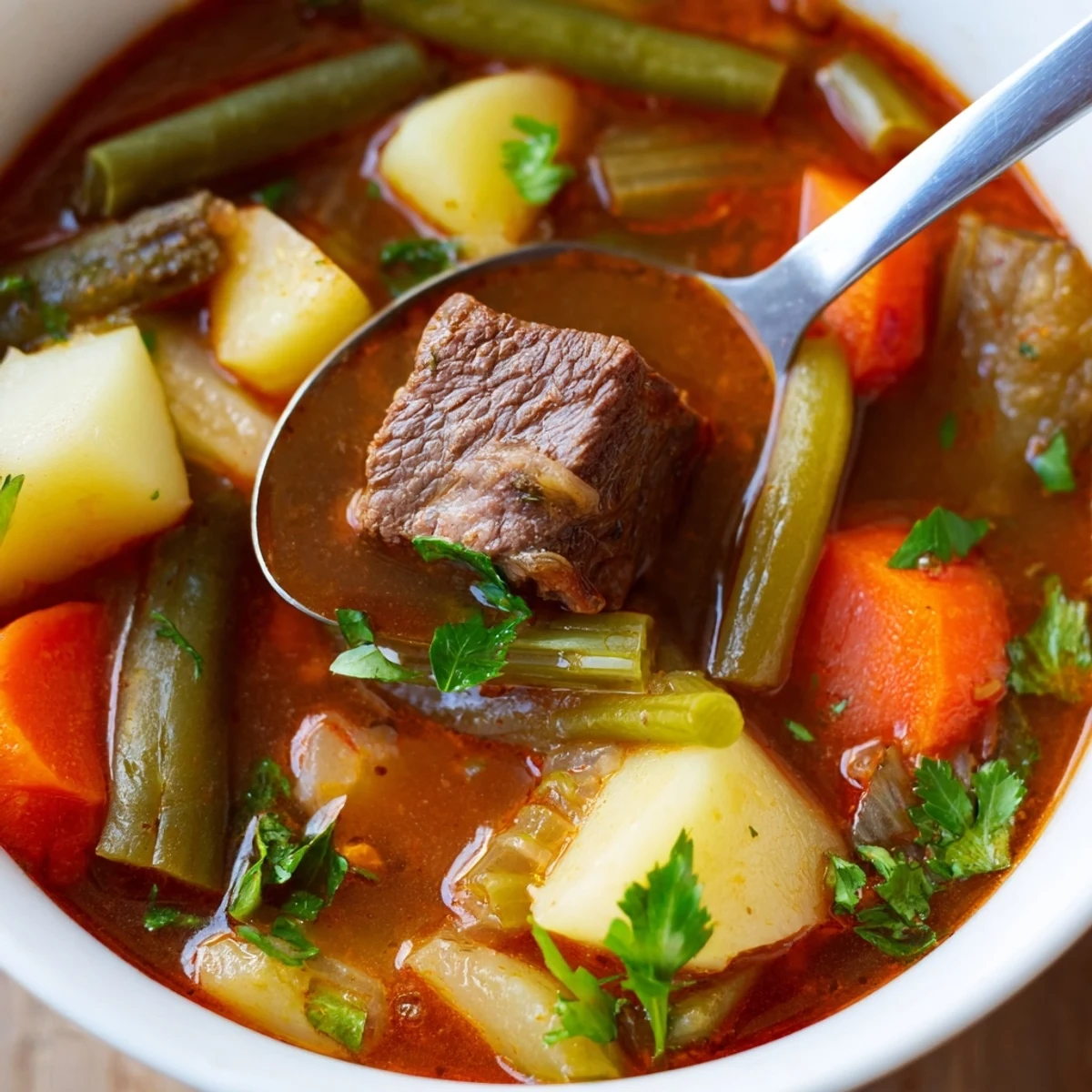
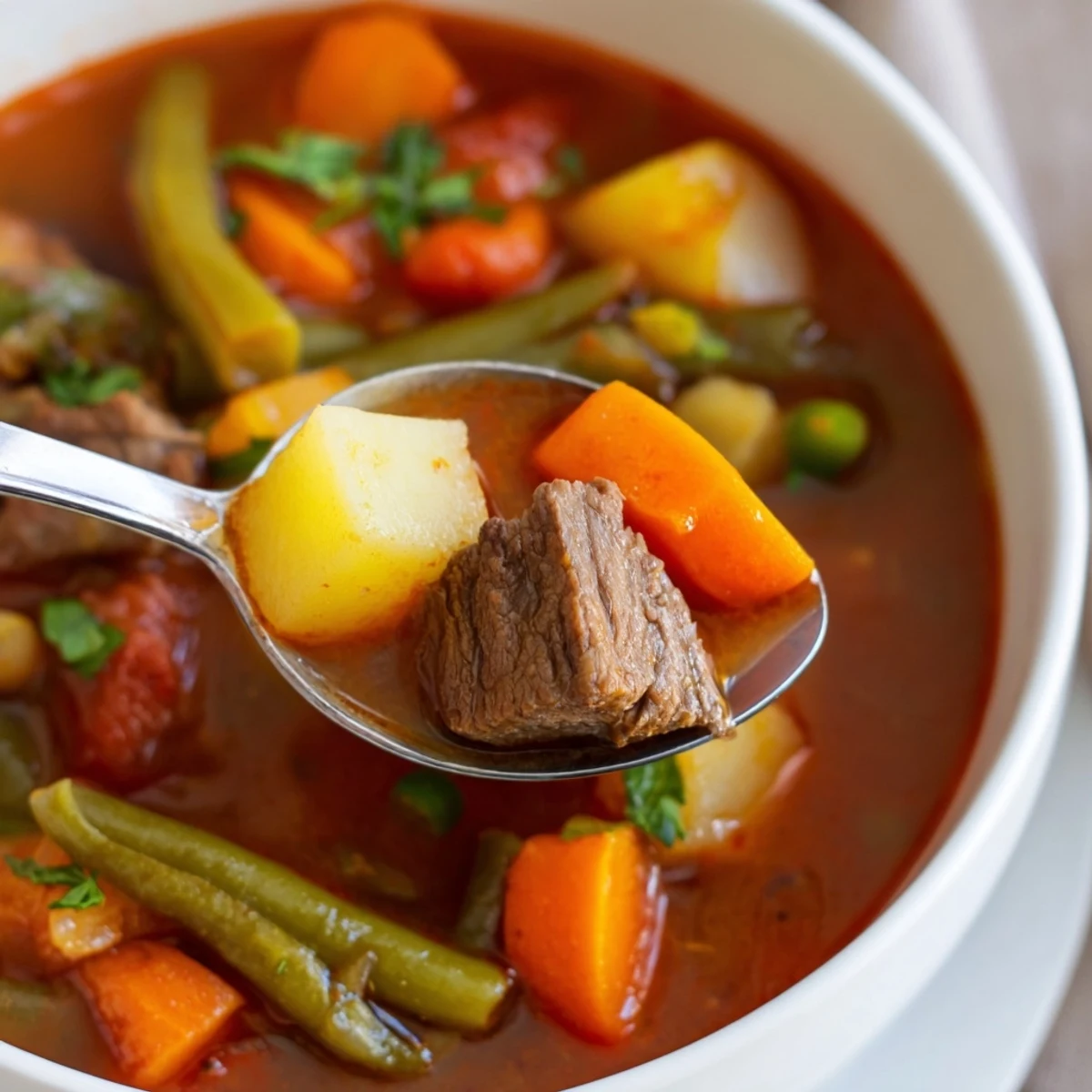
 This dish features tender cubes of beef combined with diced potatoes, carrots, celery, green beans, peas, and aromatic herbs simmered in a flavorful broth. The process starts with browning the beef, then gently cooking the vegetables before adding the broth, tomatoes, and seasonings. Slow simmering develops rich flavors while ensuring all ingredients become tender and meld together. A splash of olive oil enhances the mouthfeel, and optional additions such as fresh parsley or a touch of red wine enrich the depth of taste. This wholesome meal is naturally gluten-free and perfect for a comforting dinner.
There's something about a pot of beef vegetable soup that stops you mid-afternoon. I was working from home on a gray Tuesday, and my neighbor had just dropped off vegetables from her garden—carrots that still had soil on them, potatoes in a paper bag. By the time I'd browned the beef and the kitchen smelled like caramelized meat and thyme, I wasn't thinking about my deadline anymore. This soup became the thing I made whenever I needed to feel like I had my life together, even on days when I clearly didn't.
I made this for my partner the first time they came to my place, and I remember standing at the stove, slightly panicking that something would go wrong. But it didn't—the kitchen filled with this warm, honest smell, and when we sat down to eat, there was this moment of quiet where nothing needed saying. That's when I knew this recipe was a keeper.
Ingredients
- Beef stew meat (500 g, cut into 2 cm cubes): The 2 cm size matters more than you'd think—any smaller and it disappears into the broth, any larger and it takes forever to become tender. Look for meat with a little marbling; it breaks down beautifully and adds richness to the broth.
- Potatoes (2 medium, peeled and diced): Russets work best because they're sturdy enough not to fall apart during the long simmer, but they still soften into creamy pockets of comfort.
- Carrots (3 medium, sliced): Don't bother peeling them unless they're really gritty—the skin holds flavor and nutrients, and it softens completely anyway.
- Celery stalks (2, sliced): This is your aromatic backbone; it's doing more work than you realize in building the base flavor.
- Onion (1 medium, chopped): A yellow onion works better than white here because it caramelizes more deeply and adds subtle sweetness.
- Green beans (1 cup, cut into 2 cm pieces): Fresh are ideal, but frozen work fine—just add them at the very end so they don't turn to mush.
- Peas (1 cup, frozen or fresh): Frozen peas actually have a better texture than fresh in soup; they hold their shape and keep their color.
- Garlic (2 cloves, minced): Don't skip the separate garlic step—it needs just a moment in the hot pot to release its sweetness before the broth goes in.
- Beef broth (1.5 liters): Use the best quality you can find or make your own, because this is honestly the foundation of everything else; a thin, flavorless broth will sabotage all your hard work on the beef.
- Canned diced tomatoes (400 g with juices): The acidity brightens the whole soup and balances the richness of the beef.
- Tomato paste (2 tablespoons): Don't stir this in at the beginning; add it after you've built your base flavor, so it concentrates rather than just disperses.
- Worcestershire sauce (1 tablespoon): This is your secret weapon for that savory depth that makes people ask what's in it.
- Thyme and oregano (1 teaspoon each, dried): Dried herbs work better here than fresh because they hold up to the long cooking time.
- Bay leaves (2): These are easy to forget about and fish out at the end, but they're doing quiet work the whole time.
- Olive oil (2 tablespoons): Regular olive oil, not extra virgin, because you're going to heat it high for browning the meat.
- Salt and black pepper (to taste): Wait until the end to season; the broth concentrates as it cooks and will get saltier.
Instructions
- Brown the beef properly:
- Heat your oil until it's shimmering and almost smoking, then add the beef in a single layer—don't crowd the pot. Let it sit for 2–3 minutes on each side without moving it around; this is how you get that deep, caramelized crust that makes your broth taste rich and savory. Work in batches if you need to.
- Build your flavor base:
- Once the beef is out, add the onion, carrots, and celery to the same pot with all those browned bits stuck to the bottom. That's liquid gold called fond, and it dissolves into your vegetables as they soften. After 5 minutes, add the garlic and let it wake up for just a moment—you want it fragrant but not brown.
- Bring everything together:
- Return the beef to the pot, then add the potatoes, green beans, beef broth, tomatoes with their juices, tomato paste, Worcestershire sauce, thyme, oregano, and bay leaves. Stir it all together and taste the broth before the heat goes up—this is your last chance to adjust anything without waiting another hour.
- Let time do the work:
- Bring it to a boil, then reduce the heat so it's barely bubbling underneath a lid. Let it simmer for a full hour, stirring just every 15 minutes or so. You're not rushing this; the beef needs time to break down completely and the flavors need time to talk to each other.
- Finish with the peas:
- After an hour, add the peas and let it go for another 15–20 minutes uncovered. This is when you taste it and decide if it needs more salt or pepper. When the beef falls apart with the back of a spoon and the vegetables are tender, you're done.
- Final touches:
- Remove the bay leaves—seriously, actually get them out—and serve the soup hot. If you want, scatter some fresh parsley on top, but honestly, it doesn't need it.
 Save to Pinterest
 My favorite moment with this soup came when my mom was visiting and I reheated a pot that had been in the fridge for three days. She took one spoonful and said, "This tastes even better than it did fresh." I'd never thought about it that way before, but she was right—the flavors had married and deepened overnight, and somehow that made it taste more like home than it did the first day I made it.
Why This Soup Works
There's a science to why this particular combination of ingredients feels so satisfying. The beef provides protein and a deep, savory note that carries the broth. The vegetables break down into the liquid, thickening it naturally without any flour or cream, which means the soup feels hearty but not heavy. The tomato paste and Worcestershire sauce add umami—that fifth taste that makes your brain say yes to another spoonful. It's simple food, but the simplicity is intentional.
Variations That Still Work
This recipe is forgiving enough to bend with what you have. Sweet potatoes swap in beautifully for regular potatoes and add a subtle sweetness that plays well with the thyme. A splash of red wine in place of some of the broth adds a depth that makes the soup feel almost dinner-party worthy. I've made it with parsnips, mushrooms, and even roasted root vegetables because I had them on hand, and it never failed me.
Serving and Storage
Serve this soup in wide bowls with a piece of crusty bread alongside—it's meant to be eaten slowly, not rushed. This recipe makes enough for 6 servings, but it also freezes beautifully for up to three months, which means you can make it once and eat it across several weeks without feeling like you're repeating yourself.
- Reheat gently on the stovetop rather than in the microwave; the broth will taste fresher and the vegetables won't get mushy.
- If it thickens too much after a few days in the fridge, just add a splash more broth or water when you reheat it.
- Leftovers often taste better than the first serving, so don't hesitate to make it ahead.
 Save to Pinterest
 This soup has a way of showing up at the right time, whether you're nursing a cold, needing comfort, or just wanting to feel like you've got dinner handled. Make it once and it becomes part of your rotation.
Recipe Questions & Answers
- → What cut of beef is best for this soup?
-
Stew meat cut into cubes works well as it becomes tender during the long simmering process.
- → Can I use fresh or frozen vegetables?
-
Both fresh and frozen vegetables are suitable; frozen peas in particular can be added near the end to preserve their texture.
- → How long should the soup simmer?
-
Simmer the soup covered for about 1 hour to tenderize the beef and vegetables, then add peas and simmer uncovered for 15–20 minutes.
- → Is it possible to make this gluten-free?
-
Yes, use gluten-free beef broth and Worcestershire sauce or omit the sauce to keep the dish gluten-free.
- → Can I add other herbs for flavor?
-
Dried thyme, oregano, and bay leaves provide earthy depth, but fresh herbs like parsley can be added as a garnish for brightness.