
 Save to Pinterest
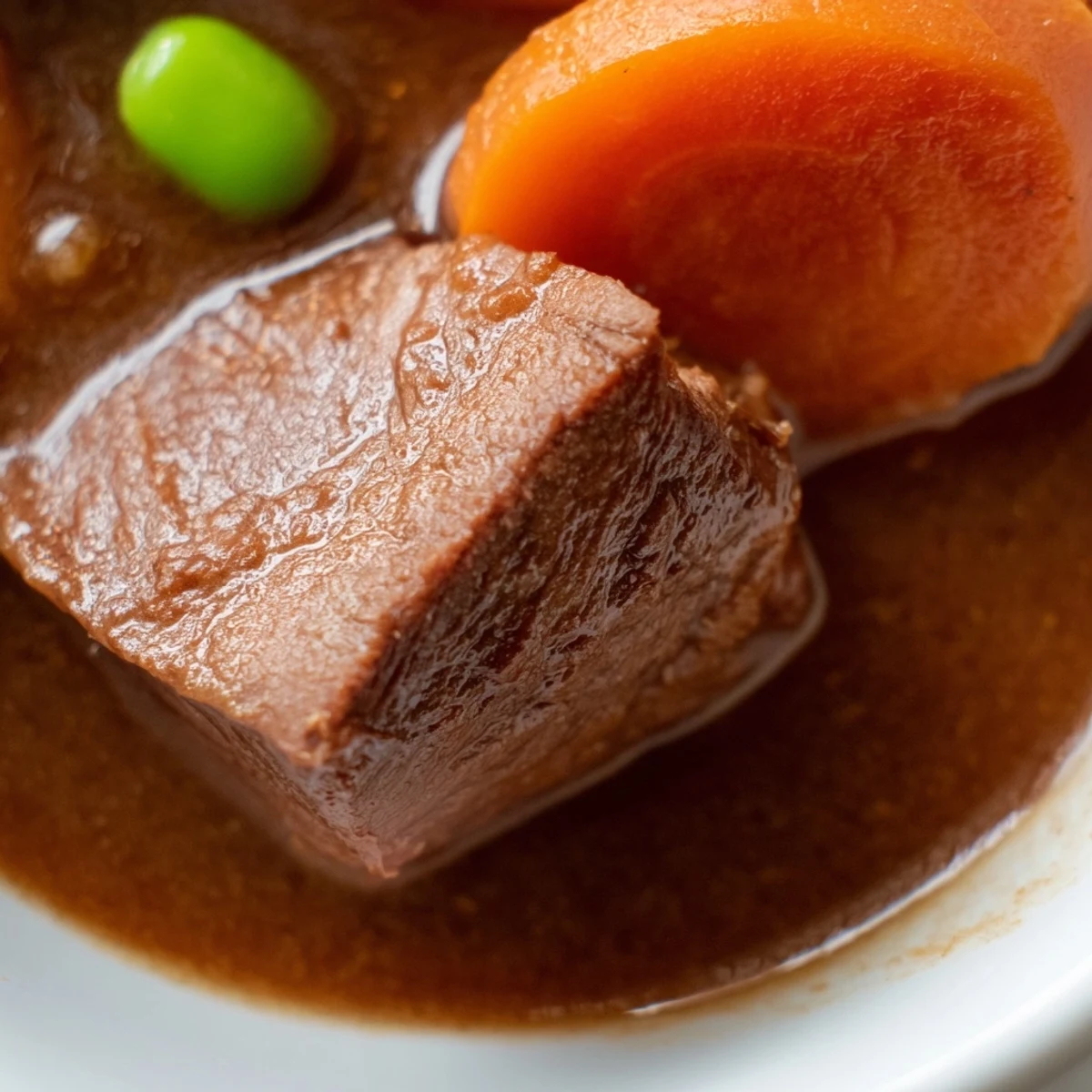
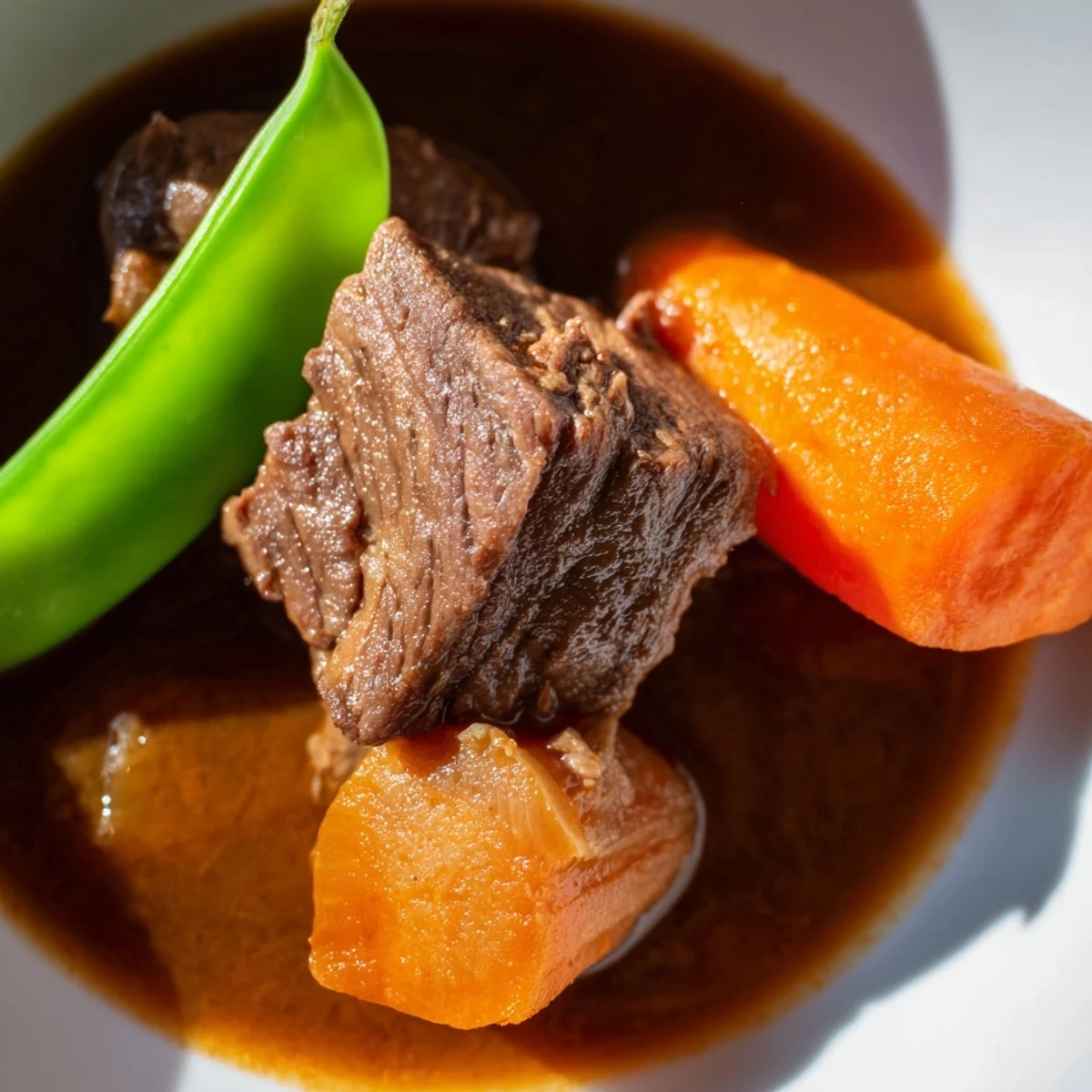
 This robust preparation features succulent beef chuck slow-cooked to fork-tenderness alongside a vibrant assortment of root vegetables like carrots, potatoes, and celery. Everything simmers in a rich, savory broth, enhanced by tomato paste, Worcestershire, thyme, and rosemary, delivering deep, comforting flavors. The process is largely hands-off after a quick initial browning, making it ideal for a leisurely cooking day. A simple cornstarch slurry at the end ensures a perfectly thickened consistency, making this a satisfying and effortless meal for any occasion. Serve this warming dish on its own or with a side of crusty bread.
The first true chill of autumn always brings me back to this beef stew. I remember one blustery Saturday, the wind rattling the windows, and a sudden craving for something deeply comforting took hold. The idea of slow-cooked meat and tender vegetables simmering all day just felt right, a promise of warmth to come. There's something incredibly satisfying about setting it and forgetting it, knowing a delicious meal awaits.
I cooked a huge batch of this stew a few winters ago when my friends were helping me move into a new place. Everyone was exhausted and cold from hauling boxes in the snow, and the moment they walked in, the rich aroma hit them. Serving up steaming bowls by the fireplace felt like a true homecoming, turning a stressful day into a cozy celebration.
Ingredients
- Beef Chuck: This cut is your best friend here, as its marbling and connective tissues break down beautifully into tender, flavorful morsels, and cutting it into roughly even pieces ensures consistent cooking.
- Carrots: They add a lovely sweetness and vibrant color, and they hold their shape wonderfully, contributing to the stew's hearty texture.
- Potatoes: Choose a starchy potato like Russet or Yukon Gold; they'll absorb all those rich flavors and become wonderfully tender without completely disintegrating.
- Celery: A foundational aromatic, celery provides a subtle, savory depth that you might not notice directly, but would definitely miss if it wasn't there.
- Onion: Along with celery and garlic, onion forms the essential flavor base, sweetening and deepening the broth as it cooks down.
- Garlic: Don't skimp on the garlic; it's the aromatic heart of so many comforting dishes, and its punchy flavor mellows beautifully in the slow cooker.
- Frozen Peas: These are a fantastic last-minute addition, retaining their bright green color and pop of freshness when stirred in at the very end.
- Beef Broth: A good quality beef broth is crucial here, as it forms the bulk of your liquid and flavor base; feel free to use a low-sodium version to control the salt.
- Dry Red Wine: This is entirely optional, but a splash of dry red wine truly elevates the stew, adding a sophisticated depth and richness to the broth.
- Tomato Paste: Just a little bit of tomato paste provides a concentrated burst of umami and a lovely color, enriching the overall flavor profile.
- Worcestershire Sauce: This secret weapon adds a complex, savory, slightly tangy note that makes the stew taste incredibly well-rounded and deeply satisfying.
- Salt & Black Pepper: Seasoning is vital at every stage, so don't be shy; adjust to your taste, remembering that flavors deepen as they simmer.
- Dried Thyme & Black Pepper: These classic herbs are the backbone of any good beef stew, infusing the dish with their earthy, aromatic warmth.
- Bay Leaves: These seemingly unassuming leaves add a subtle, savory nuance that rounds out the stew's flavor beautifully.
- Cornstarch & Cold Water: This simple slurry is your magic trick for achieving that perfect, luscious thickness at the end, ensuring a velvety broth.
Instructions
- Prep the Beef:
- Pat those beef cubes thoroughly dry with paper towels, then generously season them with salt and pepper all over.
- Brown the Beef (Optional but Recommended):
- In a large skillet over medium-high heat, sear the beef in batches until deeply browned on all sides, then transfer these flavor bombs straight into your slow cooker.
- Add Vegetables:
- Toss in the carrots, potatoes, celery, onion, and minced garlic right on top of the browned beef in the slow cooker.
- Whisk the Liquids:
- In a separate bowl, whisk together the beef broth, red wine (if you're using it), tomato paste, Worcestershire sauce, thyme, and rosemary until well combined. Pour this delicious mixture over everything in the slow cooker and tuck in the bay leaves.
- Slow Cook to Perfection:
- Cover your slow cooker and let it work its magic on low for 7-8 hours, or if you're in a bit more of a hurry, cook on high for 4-5 hours, until the beef is meltingly tender and the vegetables are soft.
- Discard Bay Leaves:
- Carefully fish out and discard those bay leaves; their work is done.
- Thicken and Finish:
- In a small bowl, whisk together the cornstarch and cold water until smooth to create a slurry. Stir this slurry into the hot stew, add the frozen peas, and continue cooking on high for another 15-20 minutes, or until the stew has thickened to your liking and the peas are heated through.
- Adjust and Serve:
- Give it a final taste and adjust any seasonings as needed before ladling out generous portions.
 Save to Pinterest
 The house filling with that rich, savory scent as this stew slowly cooked was always one of my favorite parts of a quiet Sunday. It wasn't just a meal; it was an aroma that signified comfort, relaxation, and the simple joy of a home-cooked dinner. It became the backdrop to so many family board game nights and quiet conversations.
The Secret to Deeper Flavor
Don't rush or skip browning the beef, even if it feels like an extra step. That golden-brown crust on the meat isn't just for looks; it develops a rich, complex layer of flavor through the Maillard reaction that infuses the entire stew. It makes all the difference between a good stew and an absolutely incredible one.
Embrace the Waiting Game
The beauty of slow cooking truly shines with this recipe. Walking away and letting the gentle heat transform tough cuts of meat and simple vegetables into something extraordinarily tender and flavorful requires patience, but the reward is immense. It's a culinary lesson in delayed gratification that always pays off.
Mastering the Finish
There are a few final touches that can elevate your stew from great to unforgettable.
- Always taste and adjust your seasoning at the very end, as flavors can concentrate or mellow during the long cooking process.
- If you find your stew is too thin, you can always make a little extra cornstarch slurry and stir it in for a thicker consistency.
- For an extra touch of freshness, a sprinkle of fresh parsley right before serving adds a lovely brightness.
 Save to Pinterest
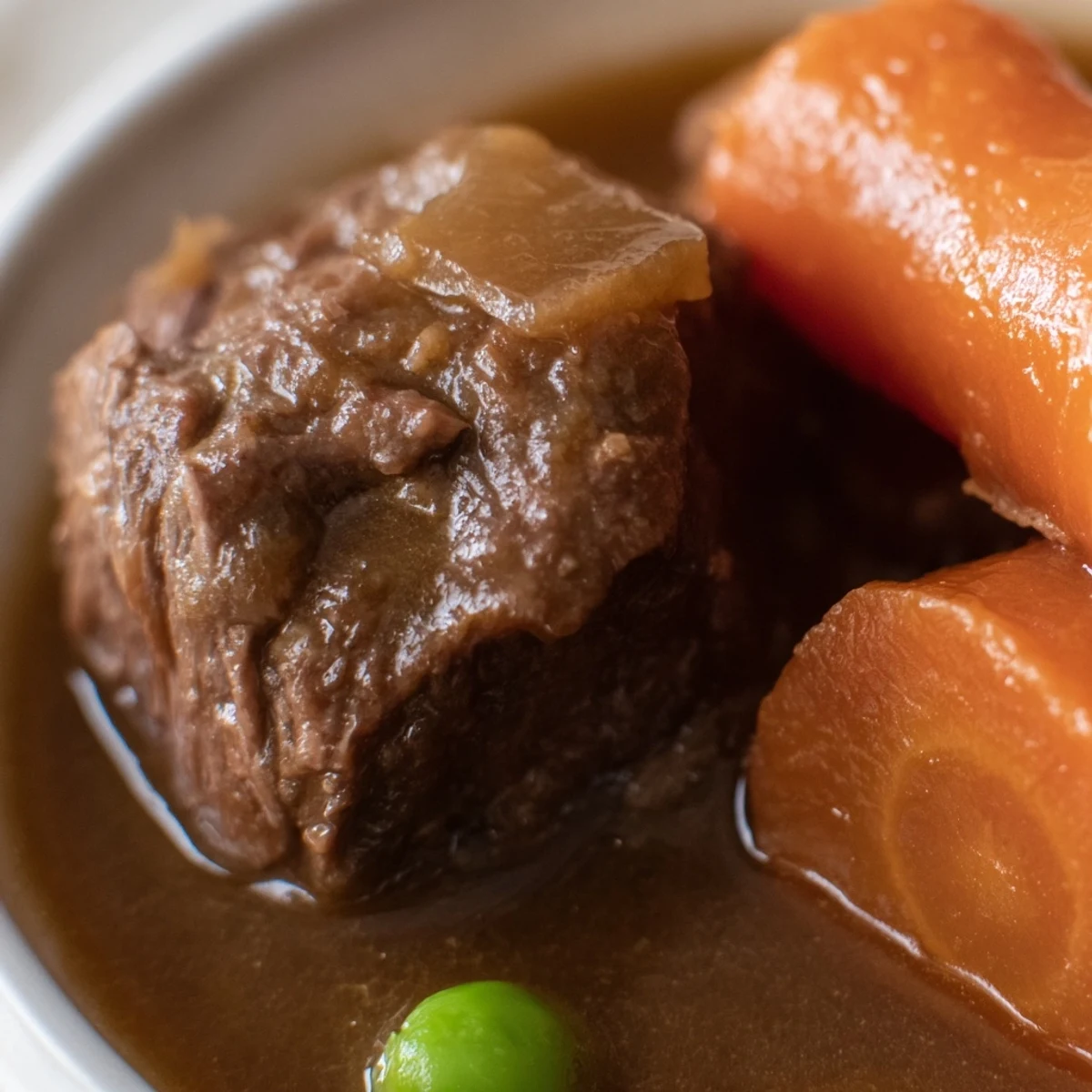
 This beef stew is more than just a recipe; it's a warm hug in a bowl, perfect for sharing with loved ones or savoring on a quiet evening. I hope it brings as much comfort to your table as it has to mine.
Recipe Questions & Answers
- → Can I make this dish gluten-free?
-
Yes, ensure your beef broth and Worcestershire sauce are certified gluten-free. Many brands offer suitable options, so check labels carefully before adding them to your pot.
- → What's the benefit of browning the beef first?
-
Browning the beef before slow cooking creates a deeper, richer flavor profile through a process called the Maillard reaction. While optional, it adds a layer of complexity to the final dish.
- → Can I use different vegetables?
-
Absolutely! Feel free to substitute or add other sturdy root vegetables like parsnips, turnips, or even sweet potatoes. Just ensure they are cut to a similar size for even cooking.
- → How can I thicken the broth without cornstarch?
-
You could use a roux made from butter and flour, or a small amount of arrowroot powder mixed with cold water. For a naturally thicker broth, you can also mash some of the cooked potatoes directly into the liquid.
- → How long does this keep in the refrigerator?
-
Properly stored in an airtight container, this dish will keep well in the refrigerator for 3-4 days. It often tastes even better the next day as the flavors meld further.
- → Can this be frozen?
-
Yes, this dish freezes wonderfully! Allow it to cool completely, then transfer to freezer-safe containers or bags. It can be stored for up to 3 months. Thaw overnight in the refrigerator and reheat gently on the stovetop or in the microwave.