
 Save to Pinterest
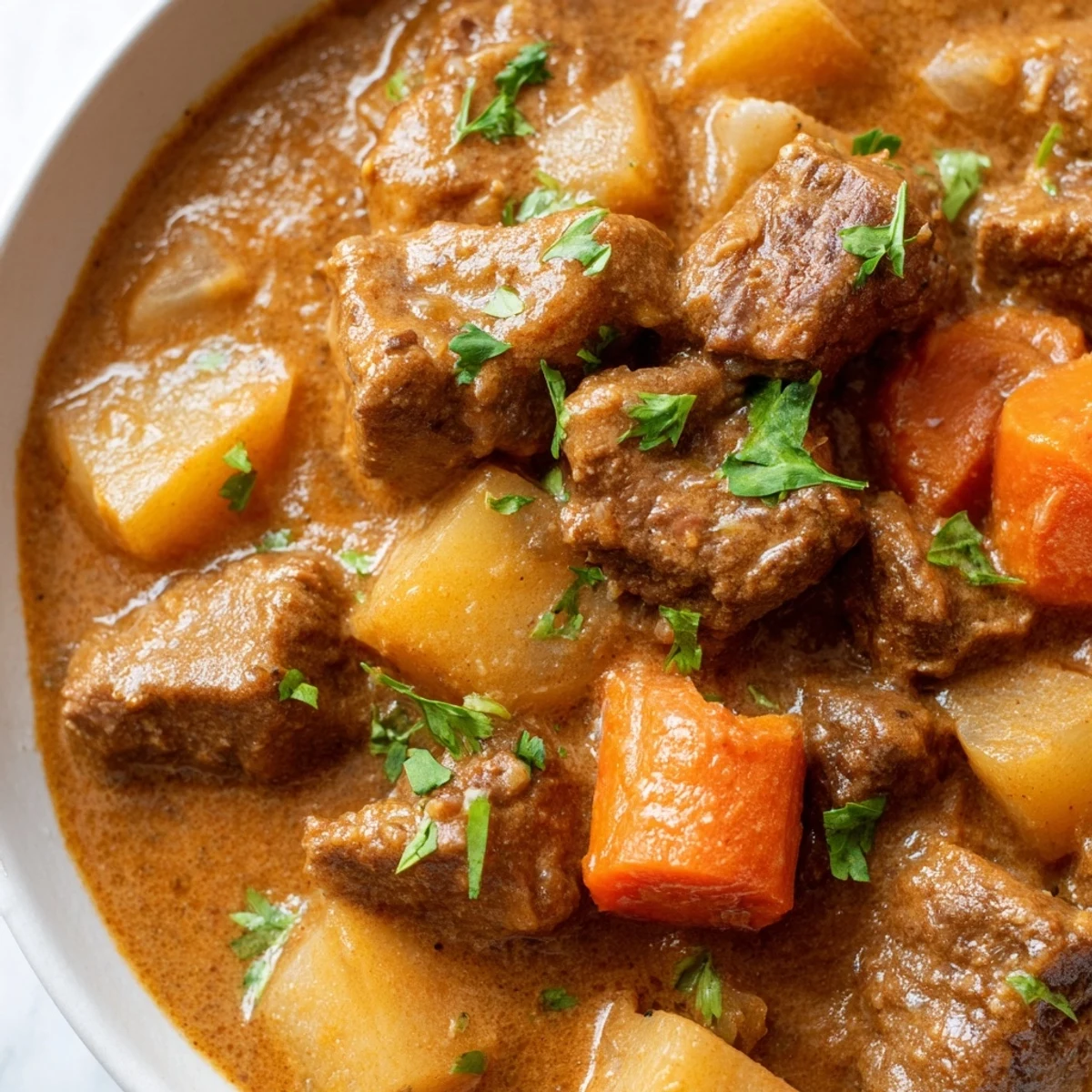
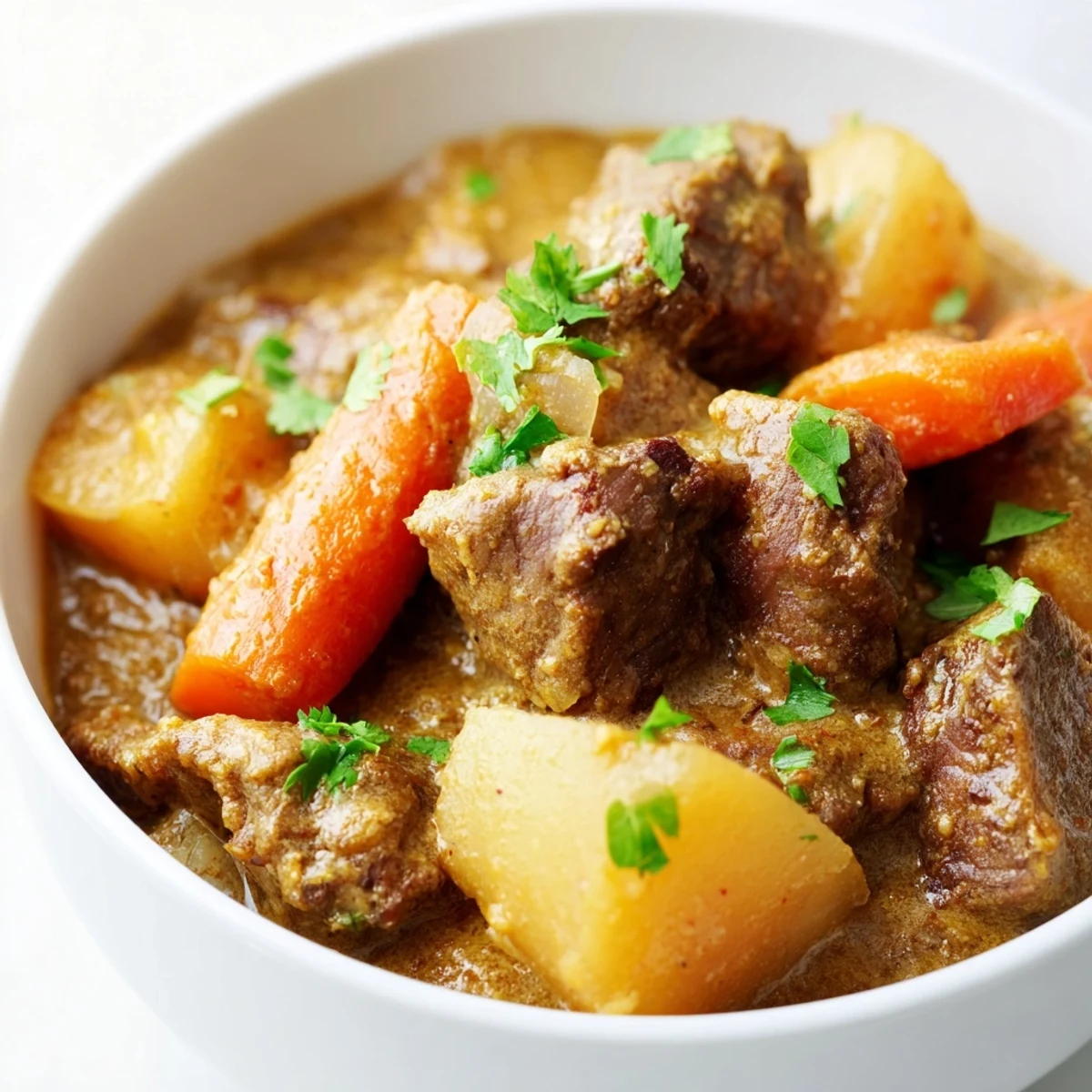
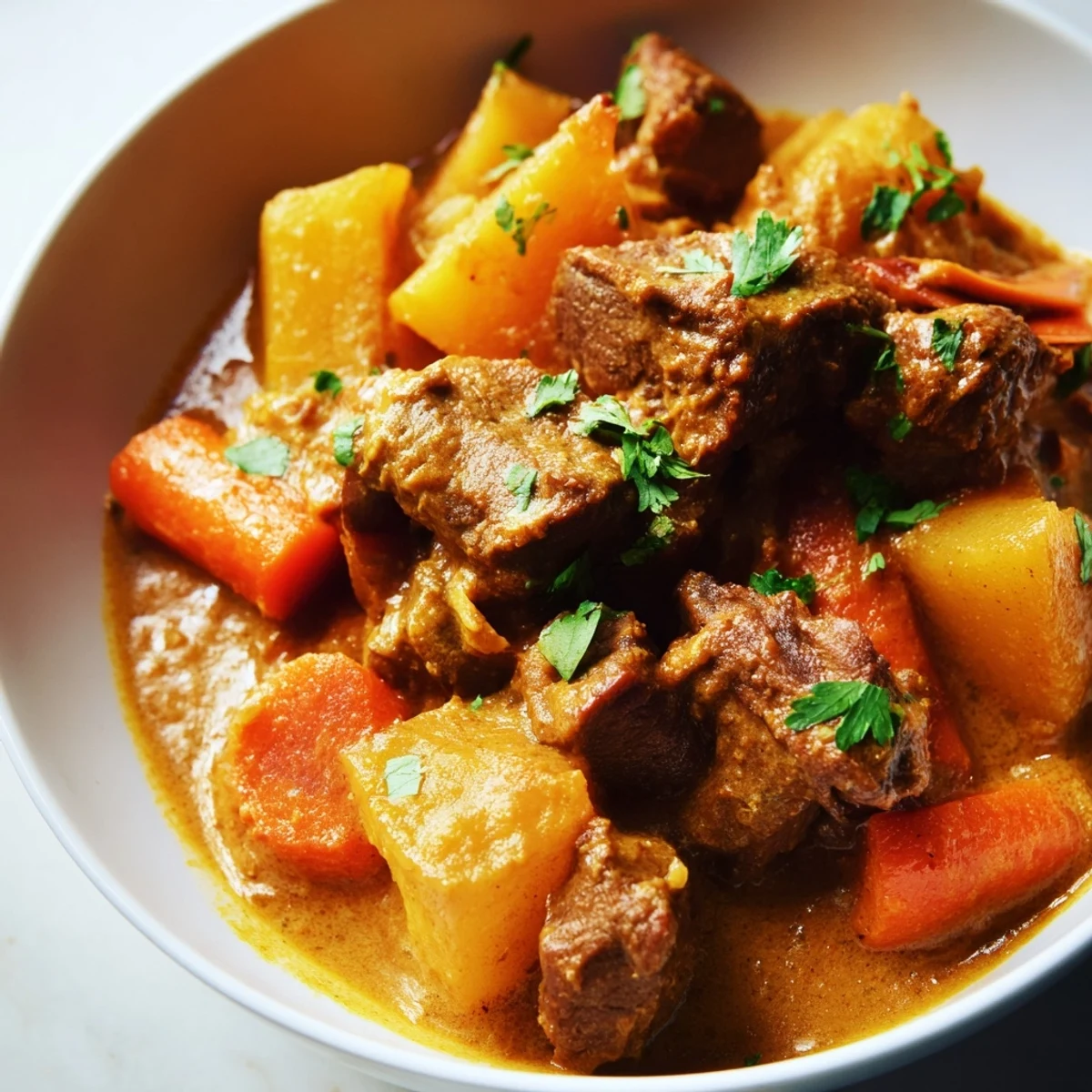
 This dish features succulent beef chuck browned to perfection, then simmered for hours with potatoes and carrots in a rich coconut milk broth. The blend of curry powder, cumin, and coriander creates a deep, warming flavor ideal for easy weeknight dinners. Finish with a squeeze of lime and fresh cilantro for brightness.
There's something about the smell of curry powder hitting hot oil that makes my whole kitchen feel like a different world. I discovered this slow cooker version on a particularly gray Monday morning when I had no energy for elaborate cooking but desperately wanted something deeply satisfying. Seven hours later, my home smelled like a spice market, and the beef had become so tender it practically melted on my tongue. It became my go-to recipe whenever the weather turned cold or my soul needed warming.
I made this for a dinner party once when a friend mentioned she was tired of eating the same things every week. Watching her take that first bite and close her eyes was worth every minute of prep. Her partner asked for the recipe before dessert even came out, which rarely happens in my kitchen.
Ingredients
- Beef chuck: This cut has enough fat and connective tissue to become incredibly tender during the long slow cook, transforming into something totally different than a quick sear would give you.
- Onion, garlic, and ginger: These three create the aromatic foundation that makes your kitchen smell incredible and give the curry its warm, layered flavor base.
- Curry powder: This is your shortcut to complexity without fussing with twenty individual spices, though feel free to use Madras or korma depending on your heat preference.
- Coconut milk: Use full-fat here because skipping it changes the entire texture and richness of the sauce, making it taste thin and one-dimensional.
- Potatoes and carrots: They soften into the sauce while staying intact enough to actually taste like vegetables, not mush, after seven hours.
- Beef broth: This balances the coconut milk and keeps the sauce from becoming too rich or cloying over the long cooking time.
- Tomato paste and lime juice: These add brightness and subtle tanginess that prevent the curry from tasting flat or heavy by the end.
Instructions
- Sear the beef until golden:
- Work in batches so the meat actually browns instead of steaming in its own moisture. You'll hear it sizzle and smell that deep caramelized aroma that tells you something good is happening.
- Toast the spices in the same pan:
- After sautéing the aromatics, add your spice blend and let it bloom for a full minute. You'll smell the transformation as the raw spice taste mellows into something warm and rounded.
- Layer everything in the slow cooker:
- Beef goes in first, then the aromatic spice mixture, then the hard vegetables, then liquids. This layering isn't just for show—it helps flavors build as things cook down.
- Cook on low for seven full hours:
- Resist the urge to peek and stir constantly. The low, steady heat is what breaks down that tough beef into something silky, and the slow evaporation concentrates the sauce.
- Finish with lime juice and cilantro:
- Don't skip the lime at the end—it's the difference between a good curry and one that makes you want to lick the bowl. Fresh cilantro added right before serving keeps everything bright.
 Save to Pinterest
 One winter evening, I served this to my partner's family, and his grandmother actually asked to go back to the kitchen and help herself to thirds. She grew up with curries made from scratch over hours, and something about this slow cooker version reminded her of her mother's cooking. That's when I knew I'd created something that felt genuine, not like I was just following steps.
What Makes Slow Cooker Curry Different
Traditional curries simmer on the stovetop for an hour or two, but the slow cooker takes that gentle heat to another level entirely. The beef doesn't just become tender—it becomes so yielding that it practically dissolves into the sauce. Vegetables maintain their shape better because they're never violently bubbling, and the spices have time to truly integrate rather than just sit together.
Playing with Heat and Flavor
Start with the cayenne at the amount listed and taste before adding more. Heat preferences vary wildly, and adding it is easy but taking it out is impossible. Some people swear by fresh chilies sliced thin right into the pot, while others prefer the gentler warmth of just the curry powder without any extra kick.
Serving and Storage
This curry actually tastes better the next day after the flavors have settled and melded together. Keep it in the fridge for up to four days, or freeze it in portions for those nights when you need dinner but didn't plan ahead. Serve it over basmati rice or with naan, and always have lime wedges and fresh cilantro ready because they're what make each bowl feel special.
- Reheat gently on the stovetop with a splash of water if the sauce has thickened too much in storage.
- Swap potatoes for sweet potatoes if you want a slightly sweeter, earthier version that's equally delicious.
- A dollop of yogurt or coconut yogurt on top adds richness and cools down the spices just enough.
 Save to Pinterest
 This curry has become my answer to 'what should we eat tonight' more times than I can count. It's the kind of dish that fills your kitchen with warmth and makes dinner feel like an event, even on the most ordinary Tuesday.
Recipe Questions & Answers
- → What cut of beef works best?
-
Beef chuck is ideal because its connective tissue breaks down during long cooking, resulting in tender, flavorful meat.
- → Is this dish spicy?
-
It has a mild to medium heat level. You can easily adjust the spiciness by increasing the amount of cayenne pepper or adding fresh chilies.
- → What should I serve with it?
-
Steamed basmati rice or warm naan bread are perfect for soaking up the rich coconut milk sauce.
- → Can I make it dairy-free?
-
Yes, this version is naturally dairy-free as it uses coconut milk instead of cream or yogurt.
- → Can I cook it faster?
-
While a slow cooker yields the best tenderness, you can simmer it on the stovetop over low heat for about 2 to 3 hours.