
 Save to Pinterest
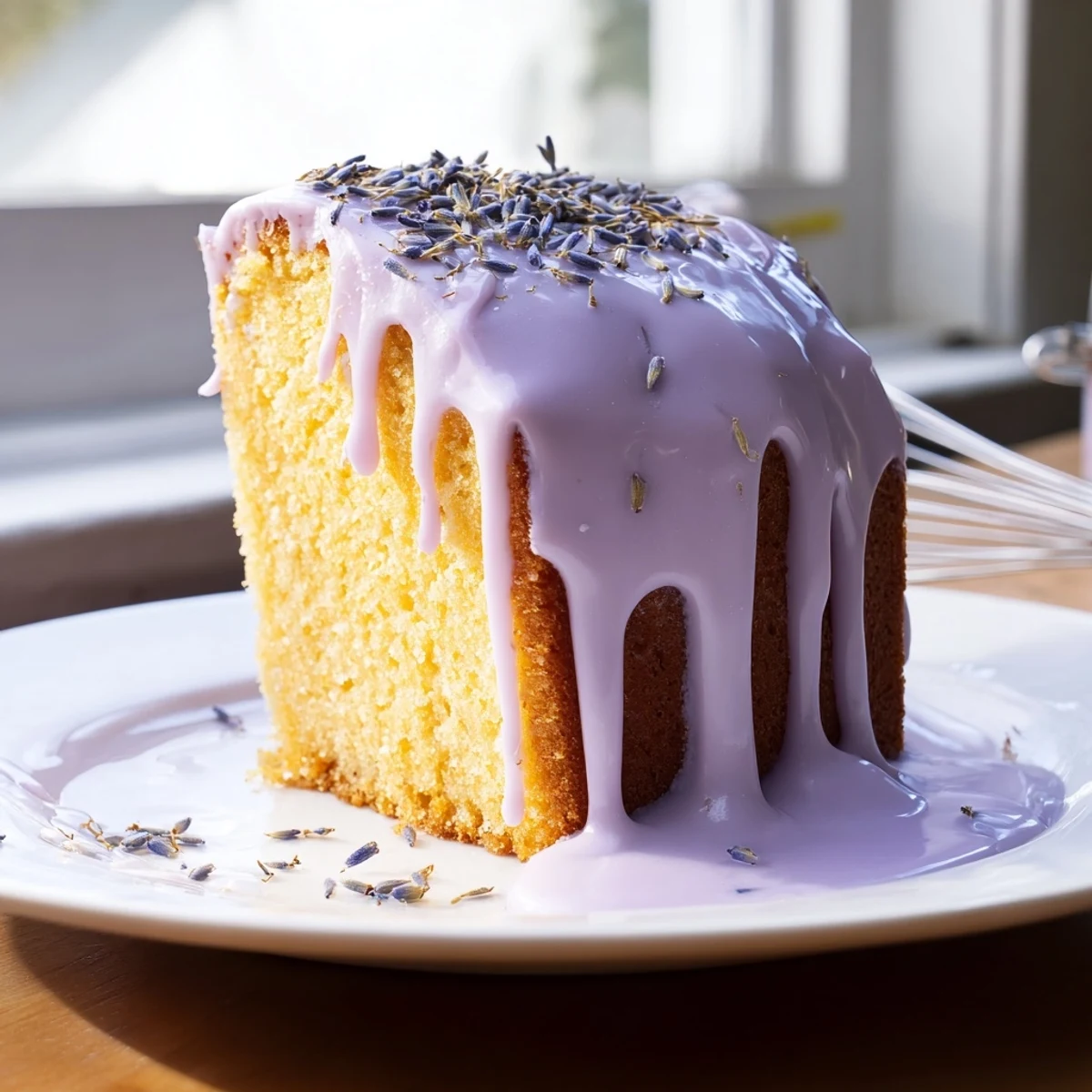
 This fragrant lavender glaze brings delicate floral notes to your favorite baked treats. Made by infusing whole milk with dried culinary lavender, then whisking with powdered sugar for a smooth, pourable consistency. Optional lemon juice adds brightness while enhancing the natural floral essence.
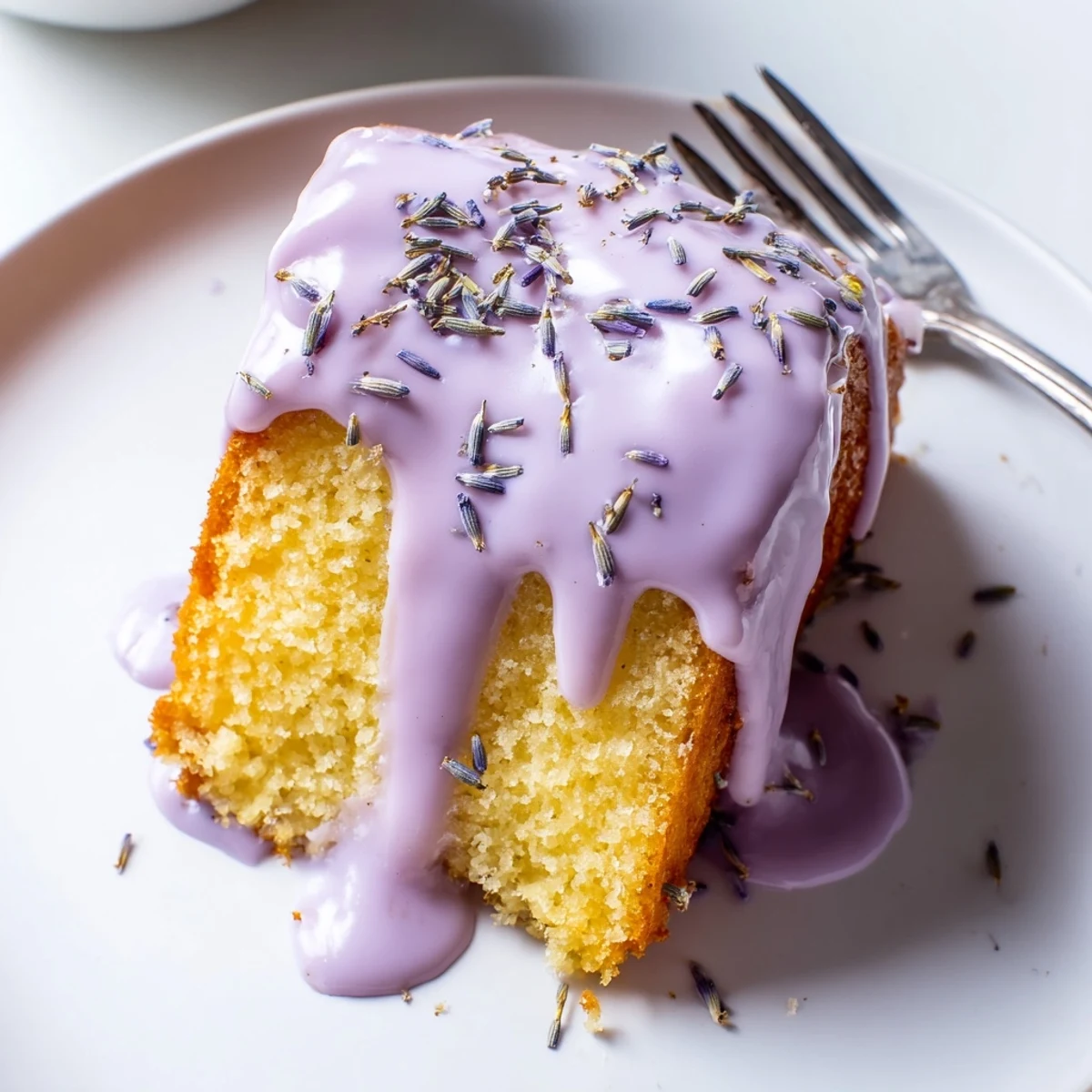
Perfect for drizzling over pound cake, sugar cookies, scones, or bundt cakes, this French-inspired topping comes together in just 7 minutes. Adjust the thickness easily by varying the amount of infused milk.
The first time I made lavender glaze was actually an accident. I had intended to steep lavender for a simple syrup to flavor lemonade, but my toddler demanded attention and I completely forgot about it on the stove. By the time I returned, the milk was infused with this gorgeous floral essence and I could not bear to waste it. I whisked in powdered sugar on a whim, drizzled it over some plain scones I had baked that morning, and my husband took one bite and declared it better than anything we had tasted at our favorite Parisian patisserie.
Last spring, my neighbor hosted an impromptu garden party and I threw together a batch of vanilla bean scones. I made this glaze in the ten minutes before leaving the house, barely giving it time to set. The moment I set the platter down, women who had been strangers ten minutes earlier gathered around, asking what made these scones taste like they came from a French bakery. That plate came home empty, and three of those neighbors have since texted me for the recipe.
Ingredients
- Dried culinary lavender: Only use culinary grade lavender meant for cooking, as ornamental lavender can taste bitter or contain pesticides
- Whole milk: The fat content carries the lavender flavor better than skim milk, but any milk or dairy free alternative works
- Powdered sugar: Creates the smooth, glossy texture that liquid glazes lack and provides structure
- Lemon juice: A tiny amount cuts through the sweetness and brightens the floral notes
Instructions
- Infuse the milk with lavender:
- Combine milk and lavender in a small saucepan over low heat until steam just begins to rise, watching carefully so it never reaches a boil.
- Let the flavors meld:
- Remove from heat and let the lavender steep for 5 minutes, allowing the floral oils to fully release into the milk.
- Strain and cool:
- Pour the milk through a fine mesh strainer to remove all buds, then let it cool for just a minute or two so it does not melt the sugar.
- Whisk the glaze:
- Add powdered sugar to a bowl and whisk in 2.5 tablespoons of the lavender milk, plus lemon juice if using, until completely smooth.
- Perfect the consistency:
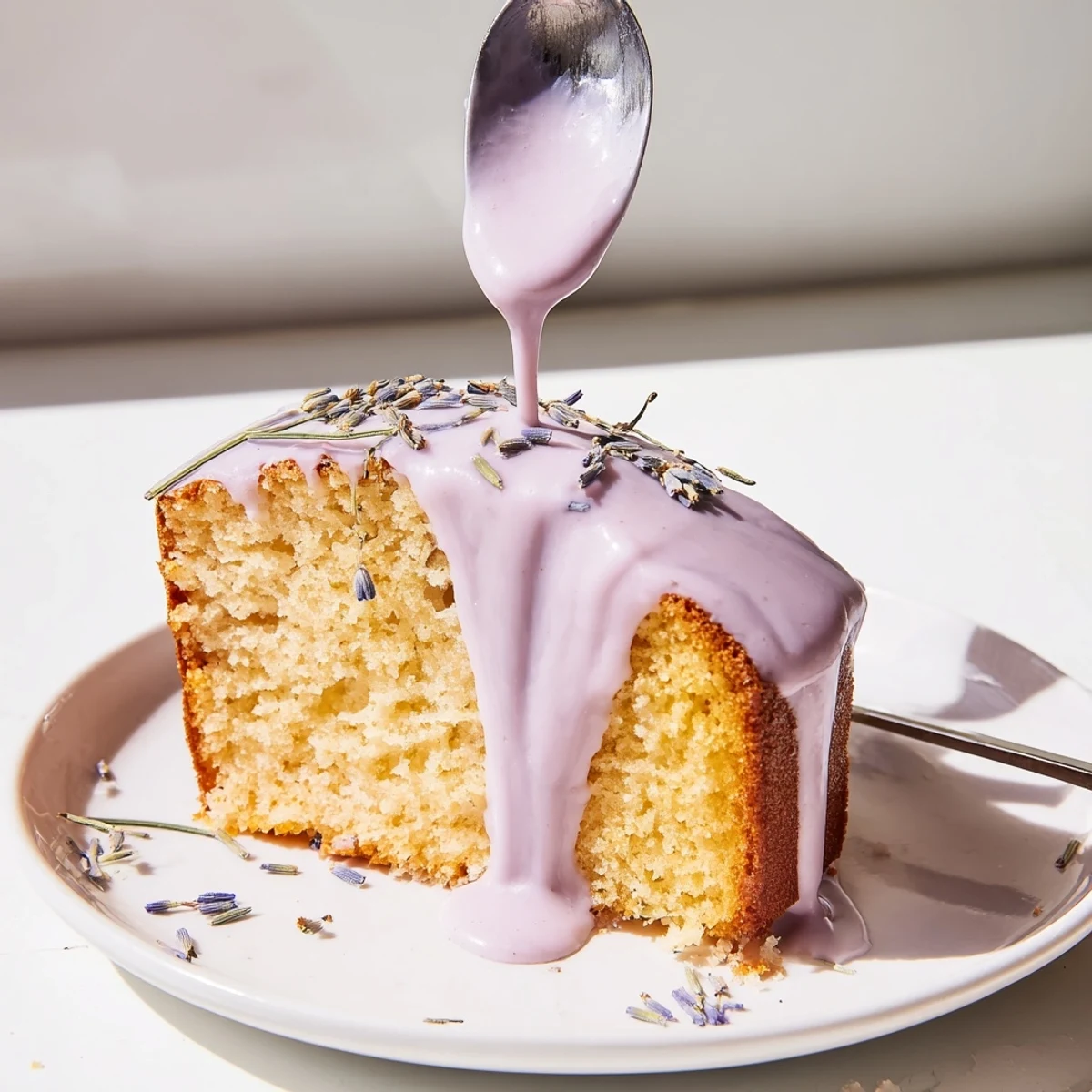
- Add more milk if the glaze is too thick for pouring, or more sugar if it is too runny, then drizzle over your cooled treats.
 Save to Pinterest
 My daughter now requests this glaze for her birthday cake every year. She leans over the counter watching me whisk, inhaling deeply, and tells me it smells like a fairy garden. When I see her face light up as I drizzle that pale purple perfection over her chocolate cake, I remember why I keep making it even on busy weekday mornings.
Choosing Your Lavender
Not all lavender is created equal when it comes to baking. English lavender varieties tend to have the sweetest, most delicate flavor for desserts, while French lavender can be more camphorous. I keep a small jar specifically for baking, separate from any dried lavender I might use for sachets or decoration.
Consistency Secrets
The temperature of your baked goods dramatically affects how the glaze sets. Warm cakes will cause the glaze to slide right off, while completely cooled treats help it hold its shape beautifully. I have learned to glaze scones and cakes about 20 minutes after they come out of the oven, when they are still slightly warm but not hot.
Serving Ideas
This glaze works on almost anything that needs a little floral elegance. I have used it on everything from morning pancakes to evening tea cakes, and it never fails to make simple treats feel special.
- Try it over lemon poppy seed muffins for a bright spring flavor combination
- Drizzle it over vanilla bean ice cream for an elegant dessert sauce
- Skip the purple food coloring and let the natural pale cream color speak for itself
 Save to Pinterest
 There is something almost magical about watching people taste something floral for the first time. Their eyes widen, they pause, and then they inevitably ask for more. This glaze has become my secret weapon for turning ordinary moments into memories.
Recipe Questions & Answers
- → What can I use lavender glaze on?
-
This versatile glaze works beautifully on pound cake, sugar cookies, scones, bundt cakes, and almost any baked treat that benefits from a delicate floral finish.
- → Can I make this vegan?
-
Yes, simply substitute dairy-free milk alternatives like almond, oat, or coconut milk for the whole milk to create a completely plant-based version.
- → How do I adjust the glaze consistency?
-
Add more lavender-infused milk to thin the glaze for drizzling, or incorporate additional powdered sugar to thicken it for spreading. Start with small adjustments until you reach your desired texture.
- → Why use culinary-grade lavender?
-
Culinary-grade lavender is specifically grown and processed for safe consumption, ensuring it's free from pesticides and chemicals often found in decorative lavender intended for craft use.
- → How long does the glaze take to set?
-
Allow the glazed items to sit for at least 10 minutes at room temperature. The glaze will set into a smooth, slightly firm finish that's perfect for serving or storing.
- → Can I add natural food coloring?
-
A tiny drop of natural purple or lavender food coloring creates a beautiful hue that visually reinforces the floral flavor. Add sparingly and mix thoroughly for even color distribution.