
 Save to Pinterest
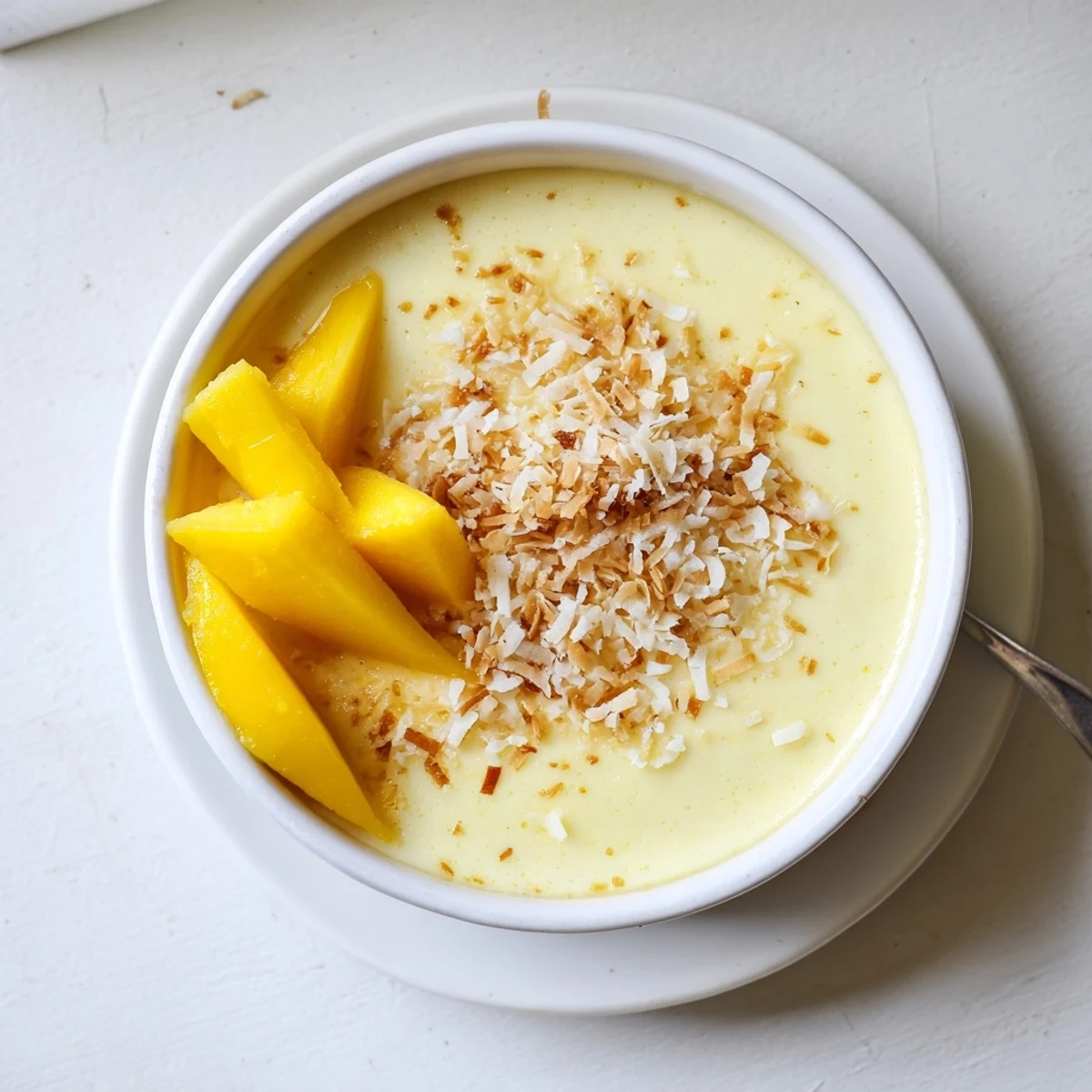
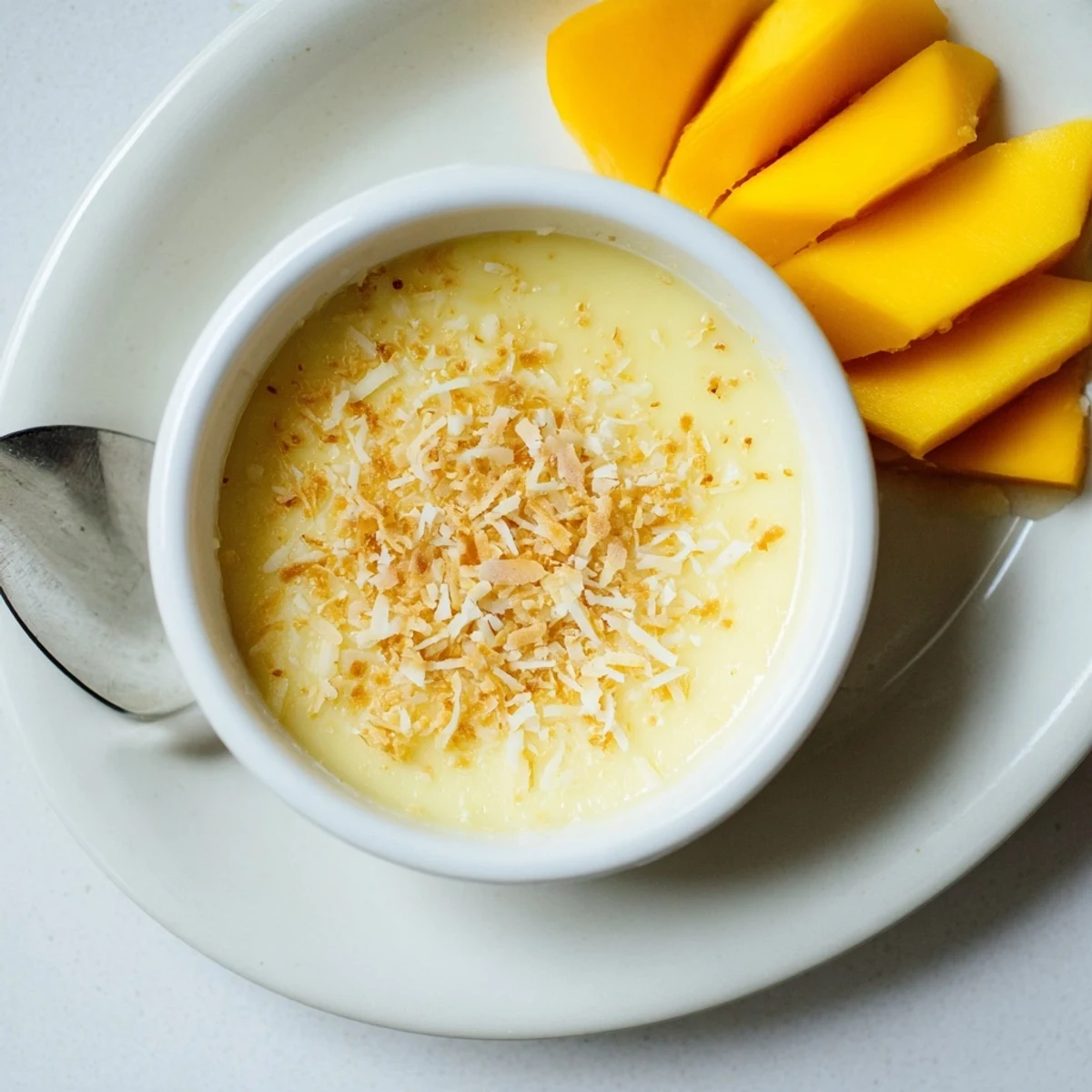
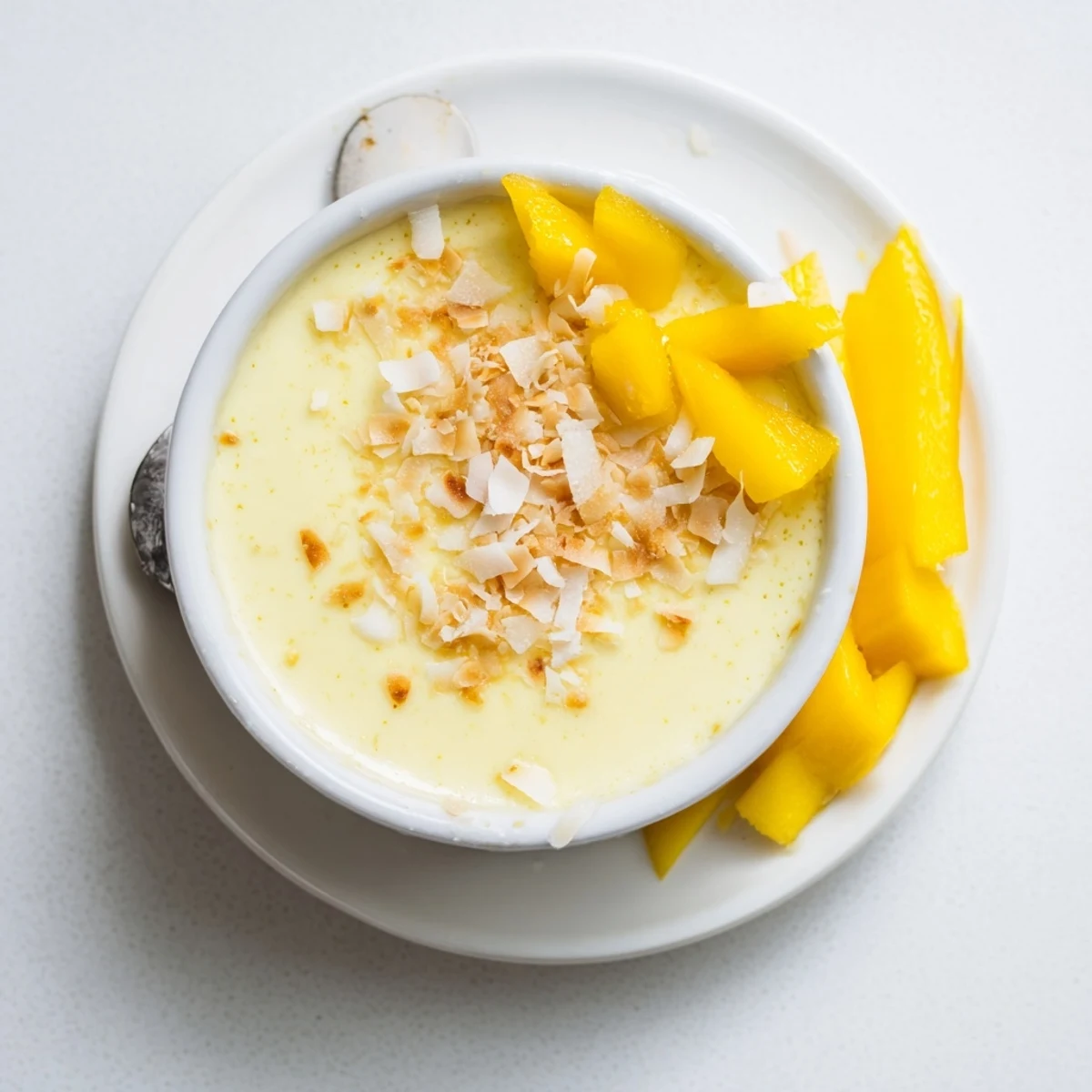
 This traditional Thai custard combines eggs, full-fat coconut milk, and aromatic palm sugar for an incredibly creamy dessert. The steaming method creates a smooth, silky texture that melts in your mouth. Ready in just 40 minutes with minimal prep, this naturally gluten-free and dairy-free sweet serves four perfectly. Top with toasted coconut or fresh mango for an authentic tropical finish.
The first time I had this custard was at a tiny street stall in Bangkok, where the vendor served it in small ceramic bowls still warm from the steamer. Something about that gentle, trembling texture stayed with me for months afterward. I spent several afternoons experimenting with steam temperatures and coconut milk ratios until I finally recreated that same silky feeling in my own kitchen.
Last summer I made these for a small gathering of friends who swore they did not like coconut anything. They went back for seconds, then hovered around the kitchen until I admitted there were four more servings chilling in the refrigerator. Sometimes the simplest desserts win people over completely.
Ingredients
- 4 large eggs: Room temperature eggs whisk more evenly and incorporate better with the coconut milk
- 200 ml full fat coconut milk: The higher fat content creates that luxurious mouthfeel you cannot get from light versions
- 100 g palm sugar: Adds a subtle caramel depth that regular white sugar simply cannot provide
- 1/4 tsp fine sea salt: Just enough to make the coconut flavor pop without tasting salty
- 1 tsp vanilla extract: Pure vanilla rounds out the coconut and adds warmth
- 2 tbsp toasted shredded coconut: Creates a lovely textural contrast on top
- Fresh mango or lychee: The bright fruit cuts through the richness beautifully
Instructions
- Whisk the eggs gently:
- Combine the eggs in a mixing bowl with just enough movement to blend the yolks and whites, being careful not to create foam that would leave bubbles in your finished custard.
- Blend the liquids:
- Pour in the coconut milk, palm sugar, salt, and vanilla, then whisk slowly until the sugar completely disappears into the mixture.
- Strain for silkiness:
- Pour everything through a fine mesh sieve into a measuring jug or pitcher, pressing gently to push the liquid through while leaving any egg bits behind.
- Portion into ramekins:
- Divide the custard evenly among four small heatproof cups or ramekins, filling them nearly to the top.
- Steam with patience:
- Set up your steamer over gently simmering water, place the ramekins inside, cover, and let steam for 25 to 30 minutes until just set with a slight wobble in the center.
- Chill completely:
- Cool to room temperature first, then refrigerate for at least an hour to let the custard firm up properly.
- Add the finishing touches:
- Sprinkle with toasted coconut right before serving and arrange fresh fruit alongside for brightness.
 Save to Pinterest
 My grandmother used to say that steamed custards teach you patience in the kitchen. She was right, there is something meditative about watching steam work its magic instead of rushing things under a broiler or in a hot oven.
Making It Ahead
You can prepare these custards up to two days in advance and keep them covered in the refrigerator. The texture actually improves after a night of chilling, becoming even more smooth and set.
Getting The Steam Right
If you do not have a proper steamer, set a heatproof plate inside a large pot and add water until it comes halfway up the sides of your ramekins. Cover tightly with a lid and you have essentially the same setup.
Serving Suggestions
These custards shine when served slightly chilled with plenty of fresh fruit on the side. The sweetness is subtle, so tart fruits like mango or berries balance everything perfectly.
- Try crushing some meringue on top for extra texture
- A drizzle of coconut cream adds another layer of richness
- Chopped toasted macadamia nuts work beautifully too
 Save to Pinterest
 There is something deeply comforting about a dessert that requires such simple ingredients yet delivers such elegance. These custards have become my go-to for quiet weeknight treats.
Recipe Questions & Answers
- → What makes this custard different from baked versions?
-
Steaming creates a silkier, more delicate texture compared to baking. The gentle heat prevents curdling and results in a smooth, melt-in-your-mouth consistency that's characteristic of Thai desserts.
- → Can I use regular sugar instead of palm sugar?
-
Yes, light brown sugar makes an excellent substitute for palm sugar. While palm sugar provides authentic caramel notes, brown sugar offers similar sweetness and moisture content for the custard base.
- → How do I know when the custard is done steaming?
-
The custard is ready when it's just set but still slightly wobbly in the center, usually after 25-30 minutes. Avoid overcooking as this will cause the texture to become rubbery rather than silky.
- → Should I serve this warm or chilled?
-
Both ways work beautifully. Chilling for at least one hour enhances the firm texture and makes it easier to unmold, though serving at room temperature brings out the aromatic coconut flavors more prominently.
- → What toppings work best with this custard?
-
Toasted shredded coconut adds crunch and intensifies the coconut flavor. Fresh tropical fruits like mango, lychee, or pineapple provide refreshing contrast. A sprinkle of sesame seeds offers a nutty finish.
- → Why strain the mixture before steaming?
-
Straining removes any egg white bits or undissolved sugar particles, ensuring an ultra-smooth, professional texture. This simple step is essential for achieving the silky consistency that makes this custard special.