
 Save to Pinterest
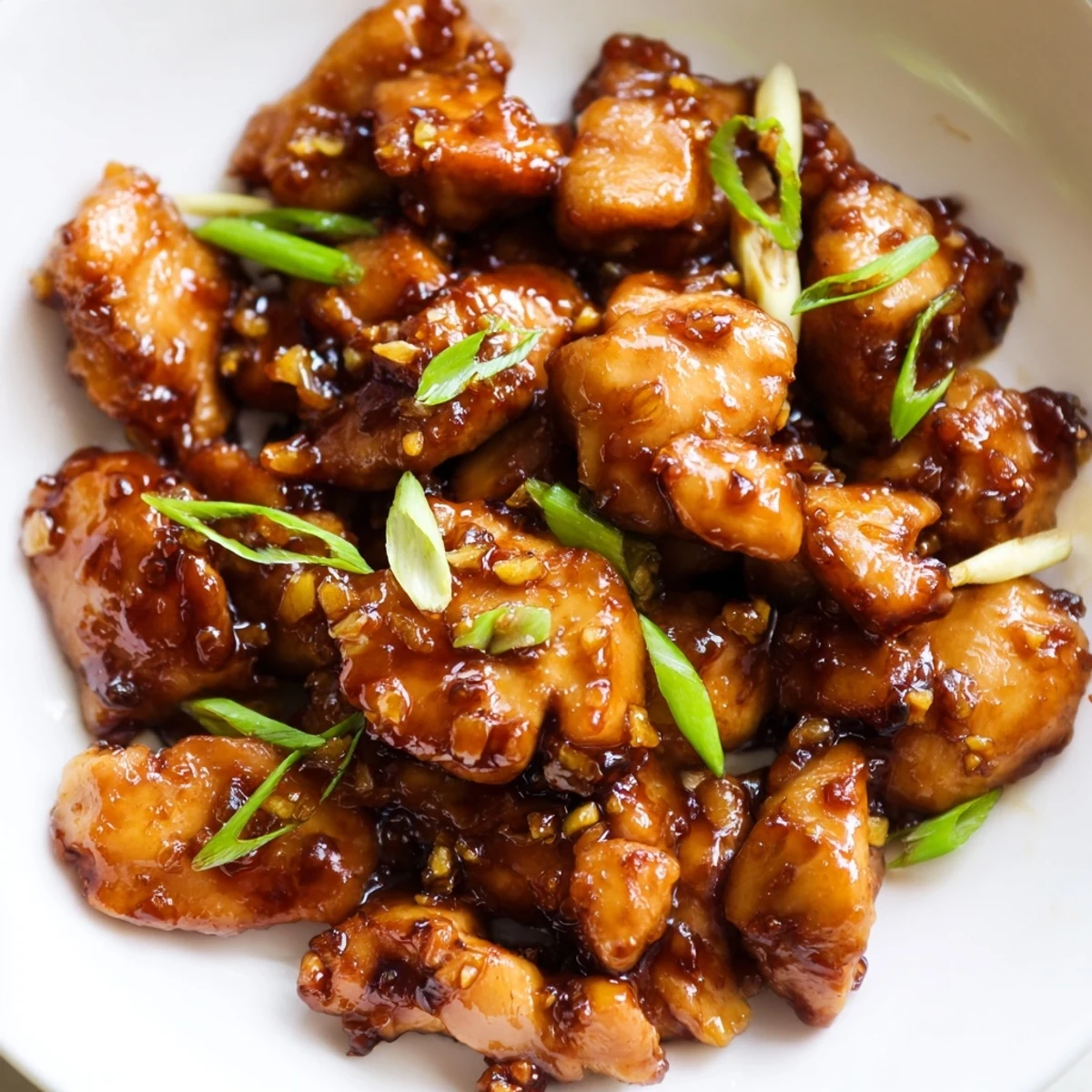
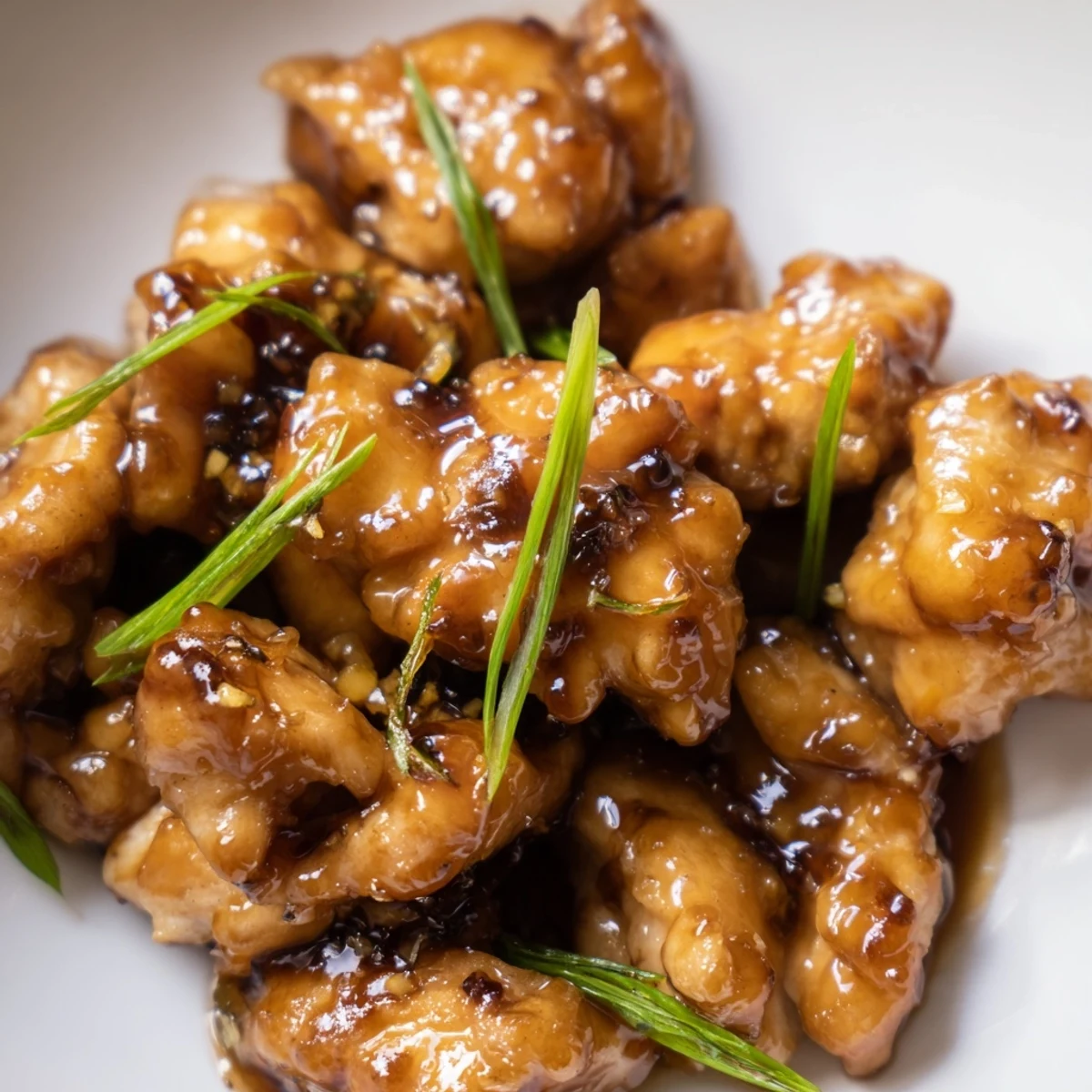
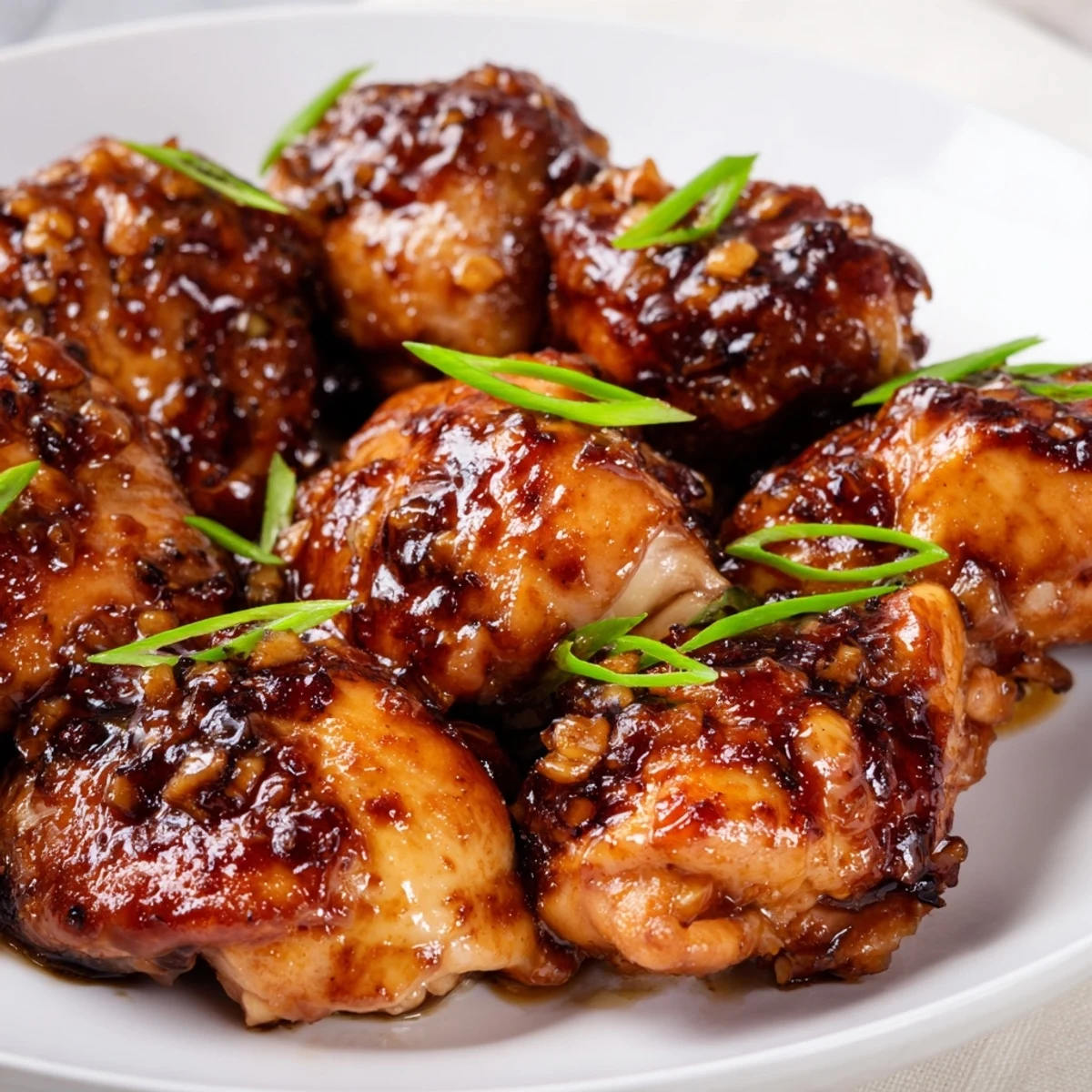
 This Asian-inspired dish transforms simple chicken thighs into a restaurant-worthy meal with a sticky, caramelized glaze that balances sweet brown sugar with savory soy sauce. The sauce thickens beautifully as it simmers, coating every piece of chicken in glossy perfection. Fresh garlic and ginger add aromatic depth, while green onions provide a fresh finish. Everything cooks in one skillet in just 25 minutes, making it perfect for busy weeknights when you want something impressive without the fuss.
The first time I made Mongolian chicken, I was halfway through dinner prep when my roommate walked in and announced she'd invited three people over. I doubled the sauce on instinct, and that spur-of-the-moment decision saved the meal. Now I deliberately make extra glaze because something about that sticky sweet-savory coating makes people reach for seconds before they've even finished their first helping.
Last Tuesday, I was exhausted and staring down a package of chicken thighs with zero inspiration. I threw this together, and my husband actually stopped scrolling through his phone to say 'this is restaurant quality.' That's the thing about seven ingredients when they're the right seven—they do all the heavy lifting for you.
Ingredients
- 1 lb boneless chicken thighs or breasts: Thighs stay juicier but breasts work if that's what you have, just don't overcook them
- 1/2 cup low-sodium soy sauce: Regular soy sauce will make it too salty, and believe me I've learned this the hard way
- 1/3 cup brown sugar packed: The molasses in brown sugar gives the sauce that gorgeous amber color and deeper flavor
- 1/4 cup water: Just enough to dissolve the sugar and help the sauce coat every piece of chicken evenly
- 4 cloves garlic minced: Fresh garlic is non-negotiable here—powdered garlic won't give you that aromatic sizzle when it hits the pan
- 1 tablespoon fresh ginger grated: Use the smallest holes on your grater or you'll end up with stringy bits of ginger in every bite
- 2 tablespoons vegetable oil: A neutral oil lets the other flavors shine without competing
- 2 green onions sliced: These aren't just garnish—that fresh sharpness cuts right through the sweet sauce
Instructions
- Whisk the sauce base:
- Combine soy sauce, brown sugar, and water in a bowl, stirring until the sugar completely dissolves into a smooth, glossy liquid.
- Get your pan ripping hot:
- Heat vegetable oil in a large skillet over medium-high heat until it shimmers—you want to hear that satisfying sizzle when the chicken hits the pan.
- Sear the chicken pieces:
- Add chicken in a single layer and let them develop a golden brown crust on the first side before turning, about 4 to 5 minutes total.
- Wake up the aromatics:
- Toss in garlic and ginger, stirring constantly for just 60 seconds until you can smell them throughout your kitchen.
- Create the glaze:
- Pour in your prepared sauce and stir to coat every piece, watching as the liquid transforms into something thick and clingy.
- Let it work its magic:
- Simmer for 6 to 8 minutes until the sauce reduces and coats the back of a spoon, with the chicken cooked through.
- Finish with freshness:
- Remove from heat immediately and scatter green onions over the top while the sauce is still bubbling slightly.
 Save to Pinterest
 My sister claimed she didn't like Asian-style food until I made this for her. Now she texts me every time she tries ordering it at restaurants, complaining that nothing hits quite like home. It's become our Sunday comfort food default, the dish we make when nobody wants to decide what to eat.
Making It Your Own
Sometimes I toss in a handful of snap peas or bell peppers during the last two minutes of cooking. The vegetables stay crisp-tender and pick up all that glorious sauce. Once I added pineapple chunks when I was feeling experimental, and honestly, that sweet-salty combo was unexpectedly incredible.
The Rice Factor
White rice absorbs that sauce like a dream, but I've found that jasmine rice adds its own subtle floral note that pairs beautifully with the ginger. Brown rice works too, though you might want an extra tablespoon of water in the sauce since the whole grain soaks it up so aggressively.
Leftover Strategy
This reheats surprisingly well, though the sauce will thicken in the fridge. I splash in a teaspoon of water when warming it up, and it returns to that glossy consistency. You can also turn leftovers into the most incredible fried rice the next day.
- Don't skip the green onions—they provide the only fresh element in an otherwise rich dish
- If your sauce looks too thick at any point, add water one tablespoon at a time
- Keep leftover sauce separate from the chicken if you're meal prepping for the week
 Save to Pinterest
 Twenty-five minutes from start to finish, and somehow it always feels like something special. That's the kind of recipe worth keeping in your back pocket.
Recipe Questions & Answers
- → What cut of chicken works best?
-
Boneless, skinless chicken thighs are ideal because they stay juicy and tender during cooking. Chicken breasts work well too, just be careful not to overcook them.
- → Can I make this gluten-free?
-
Absolutely. Substitute the soy sauce with coconut aminos or tamari. This naturally dairy-free dish becomes completely gluten-free with this simple swap.
- → How do I get the sauce to thicken properly?
-
Let the sauce simmer uncovered for the full 6–8 minutes. The liquid reduces and naturally thickens into a glossy glaze. For even thicker coating, lightly dust chicken in cornstarch before cooking.
- → What should I serve with this dish?
-
Steamed white or brown rice soaks up the delicious sauce perfectly. Noodles, quinoa, or cauliflower rice also work. Add sautéed bok choy or steamed broccoli for a complete meal.
- → Can I add vegetables to the skillet?
-
Yes. Bell peppers, snap peas, or broccoli can be added during the last few minutes of cooking. Just keep in mind that extra vegetables may dilute the sauce slightly.
- → How spicy is this dish?
-
The base version is mild with no heat. Add red pepper flakes if you want some spice. Start with 1/4 teaspoon and adjust to your preference.