
 Save to Pinterest
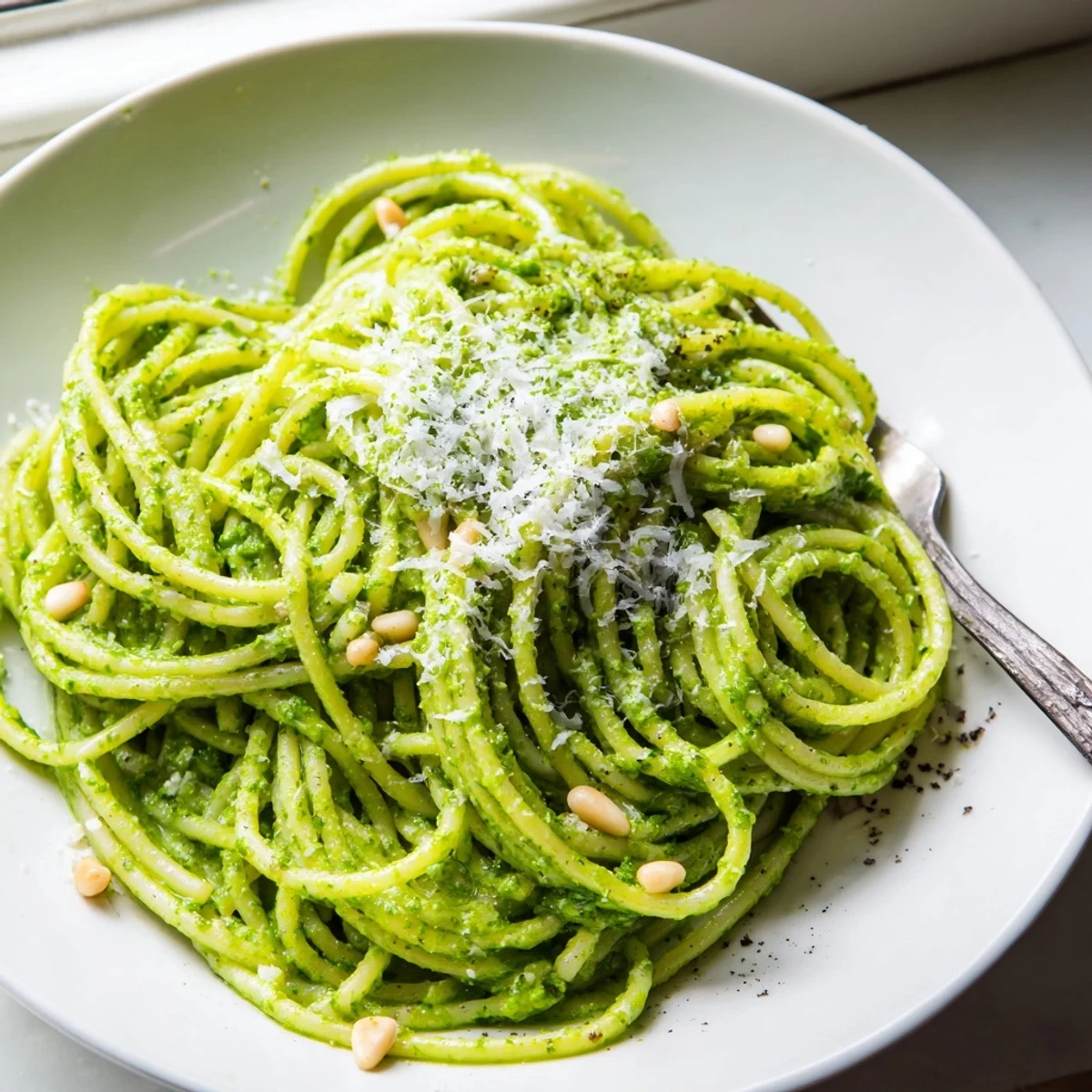
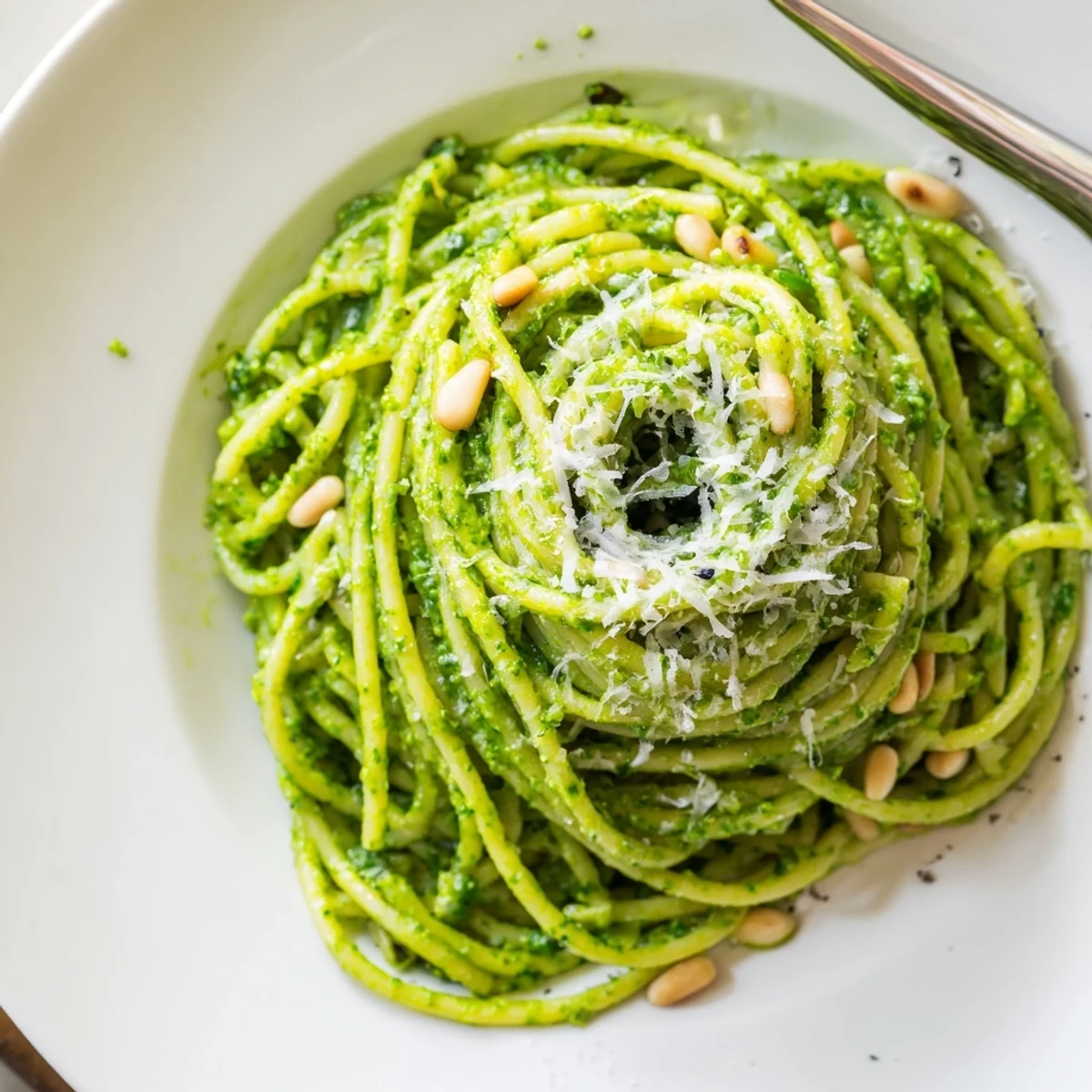
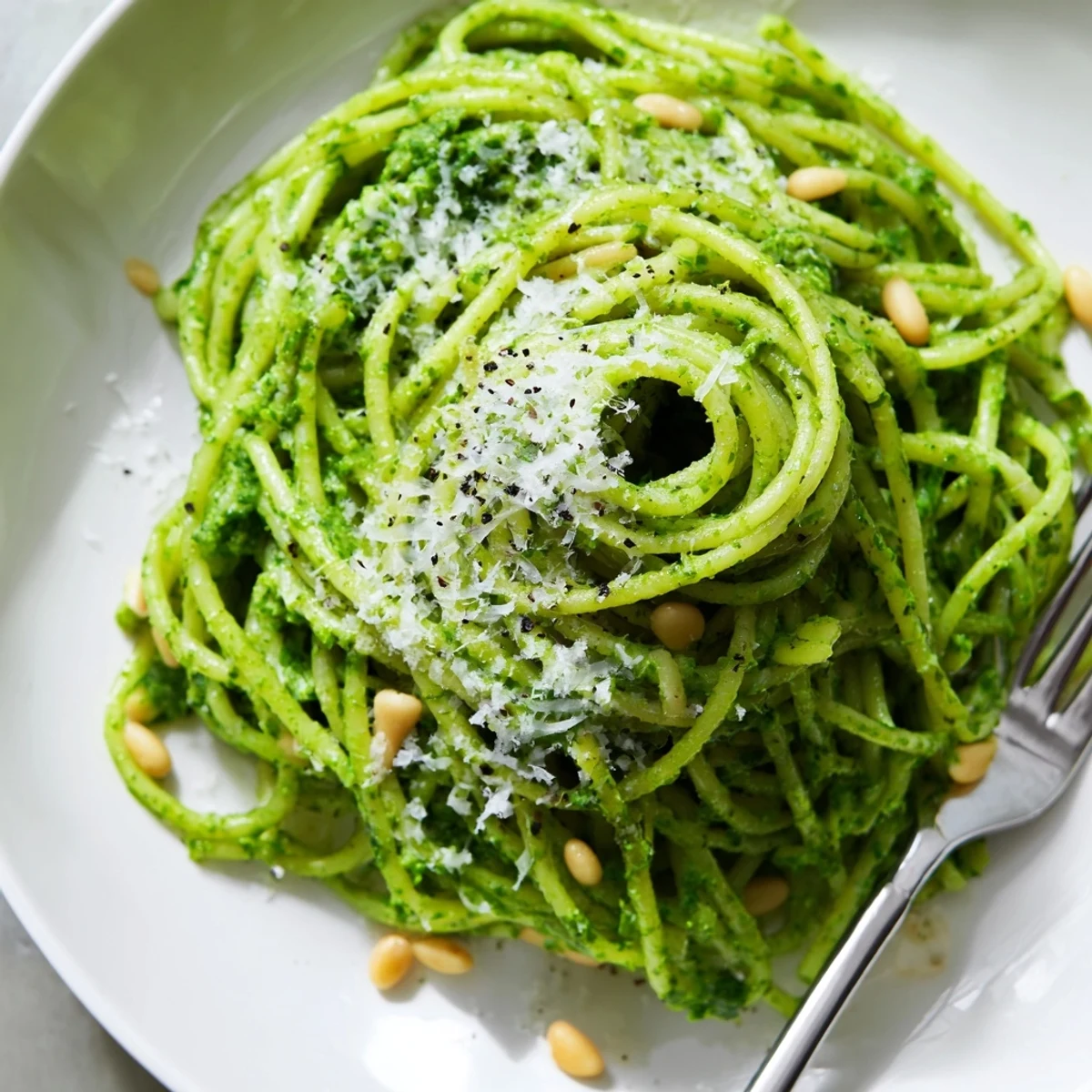
 This wild garlic pesto pasta brings the best of spring to your plate in just 25 minutes. Fresh wild garlic leaves are blended with toasted pine nuts, Parmesan, and quality olive oil into a vivid green sauce that coats every strand.
It's a simple yet impressive dish that works beautifully as a weeknight dinner or a seasonal gathering centerpiece. The pesto comes together in a food processor while the pasta cooks, making cleanup minimal.
The farmers market had one basket left, handwritten label scrawled in green ink: wild garlic, freshly foraged. I bought the whole thing without a plan, driven purely by that unmistakable scent somewhere between garlic and sunwarmed grass. Twenty minutes later I was standing at my counter, leaves scattered everywhere, pulsing them into the greenest pesto I had ever seen. That impulsive purchase ruined me for storebought pesto forever.
I made this for my neighbor Elena after she helped me carry groceries up three flights of stairs in the rain. She stood in my kitchen doorway, jacket still dripping, and said the smell alone was payment enough. We ate standing up, forks twisting around steaming noodles, barely bothering with plates.
Ingredients
- 75 g wild garlic leaves: Rinse them thoroughly and pat completely dry, any excess water turns your pesto muddy instead of bright.
- 50 g toasted pine nuts or walnuts: Toast them yourself in a dry pan until golden, the prepackaged ones taste flat by comparison.
- 50 g freshly grated Parmesan cheese: Grate it from a block right before using, pregrated carries anticaking agents that make the texture grainy.
- 1 garlic clove: Just one, because wild garlic already brings plenty of punch and you do not want competing sharpness.
- 100 ml extra virgin olive oil: Use the good stuff here, it is the backbone of every flavor in this sauce.
- Half a lemon, juiced: A squeeze of acid lifts everything and stops the pesto from tasting flat or overly rich.
- Salt and black pepper: Season gradually and taste as you go, the Parmesan already contributes salt.
- 400 g dried pasta: Spaghetti, linguine, or penne all work beautifully, choose whatever shape holds your attention.
- Extra Parmesan and cracked pepper for serving: Entirely optional but honestly why would you skip this.
Instructions
- Get your water boiling:
- Fill a large pot with water, salt it generously until it tastes like mild seawater, and bring it to a rolling boil. Cook the pasta according to the package until just tender with a slight bite at the center.
- Save that liquid gold:
- Before you drain the pasta, scoop out half a cup of the starchy cooking water and set it aside. This cloudy liquid is the magic that binds sauce to noodles later.
- Build the pesto:
- Toss the wild garlic leaves, toasted nuts, Parmesan, and garlic clove into a food processor. Pulse until everything is roughly chopped and fragrant, scraping down the sides once or twice.
- Stream in the oil:
- With the processor running, pour the olive oil in a slow thin stream through the feed tube. Stop when you have a smooth, brilliantly green paste, then add lemon juice and season to taste.
- Marry pasta and sauce:
- Dump the drained pasta back into its pot or a large bowl, add the pesto, and toss vigorously. Splash in reserved pasta water a tablespoon at a time until every strand gleams with a silky coating.
- Bring it to the table:
- Divide among bowls immediately while steam is still rising. Shower with extra Parmesan and a generous crack of black pepper if the mood strikes you.
 Save to Pinterest
 That evening with Elena stretched into two hours of leaning against the kitchen counter, talking about everything and nothing while the last strands of pasta went cold in the pot. Neither of us cared. Some meals are really just an excuse to stand close to someone and not be in a hurry.
What If You Cannot Find Wild Garlic
If foraging is not an option and the market shelves are bare, a blend of basil and baby spinach with an extra garlic clove gets you remarkably close. The flavor will lean sweeter and less wild, but the spirit of the dish survives intact. I have made this substitution in December and felt not even slightly guilty about it.
Storing Leftover Pesto
Press any leftover pesto into a jar, smooth the top, and pour a thin layer of olive oil over the surface to seal out air. It will keep in the refrigerator for up to three days, though the color dims by day two and never quite recovers. Beyond three days the garlic sharpens into something aggressive and unkind.
A Few Last Thoughts Before You Cook
This is the kind of recipe that rewards improvisation and punishes rigidity in equal measure. Trust your senses over the measurements and you will be fine.
- A handful of toasted almonds or cashews works beautifully if pine nuts feel too extravagant.
- For a vegan version, swap the Parmesan for nutritional yeast and add an extra pinch of salt.
- Pour yourself a glass of something crisp and cold, cooking is better with a drink in hand.
 Save to Pinterest
 Wild garlic season passes quickly, so make this the moment you see those broad green leaves appear. It is a small, bright celebration of a season that never lasts long enough.
Recipe Questions & Answers
- → What does wild garlic taste like?
-
Wild garlic has a delicate, fresh flavor that's milder than regular garlic cloves with subtle hints of chives and spring onion. The leaves offer a grassy, peppery taste that becomes wonderfully aromatic when blended into pesto.
- → Can I use regular garlic instead of wild garlic?
-
You can substitute with a combination of fresh basil leaves and two garlic cloves, though the flavor profile will shift significantly. Wild garlic has a unique, subtle taste that regular garlic alone cannot fully replicate.
- → Where can I find wild garlic?
-
Wild garlic is typically in season from March to June and can be found at farmers' markets, specialty grocers, or foraged in woodland areas. Some well-stocked supermarkets carry it during spring months.
- → How do I store leftover wild garlic pesto?
-
Transfer leftover pesto to a jar, press plastic wrap directly onto the surface to minimize air contact, and refrigerate for up to 3 days. You can also freeze it in ice cube trays for longer storage, up to 3 months.
- → What pasta shapes work best with this pesto?
-
Long strands like spaghetti or linguine are classic choices that allow the pesto to coat evenly. Short shapes like penne or fusilli also work well, as their ridges and curves catch and hold the sauce beautifully.
- → Can I make this dish vegan?
-
Replace the Parmesan with nutritional yeast or a plant-based hard cheese alternative. The pesto will still deliver plenty of savory depth and umami character from the wild garlic and toasted nuts.