 Save to Pinterest
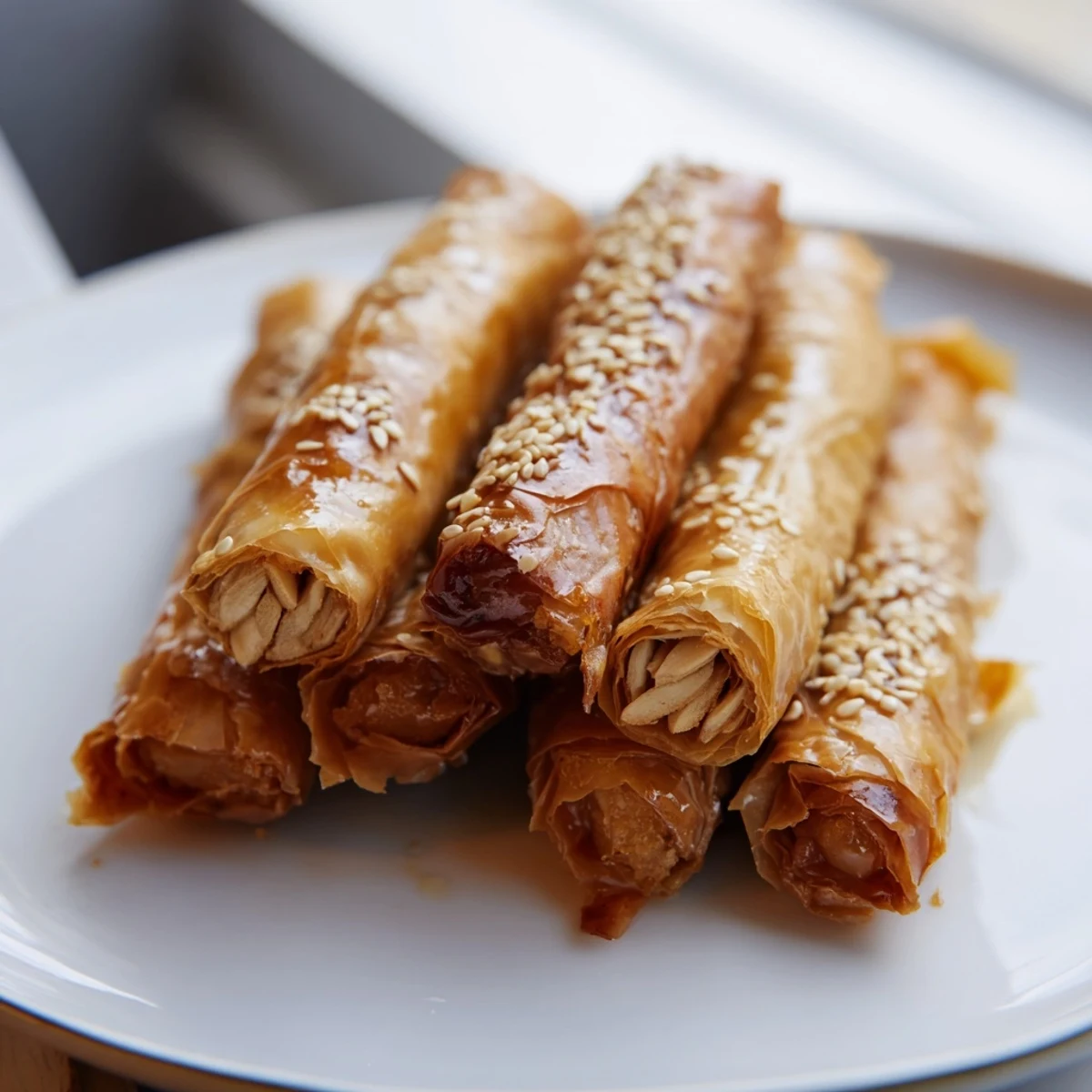
 These delicate Moroccan pastries feature buttery phyllo dough wrapped around a fragrant almond filling flavored with cinnamon and orange blossom water. After baking until golden and crisp, each pastry is dipped in warm honey syrup for a luscious coating and finished with toasted sesame seeds. The result balances crunch and sweetness perfectly, making them ideal for special occasions or as an elegant ending to a Moroccan meal.
The first time I bit into a honey almond cigar in Marrakesh, the florist orange blossom water hit me before the sweetness did. I spent the rest of that trip tracking down different variations in tiny bakeries tucked inside the medina walls. When I got home, I knew I had to recreate that delicate crisp pastry giving way to fragrant, nutty filling.
I made these for a dinner party last spring, and my friend Sarah who claims she hates desserts stood by the platter eating three in a row. Something about the honey coating makes them feel fancy and celebratory, even though theyre surprisingly straightforward to put together.
Ingredients
- 250 g blanched almonds: Starting with blanched almonds gives the filling a smoother texture without any bitter skins
- 80 g powdered sugar: Powdered sugar dissolves into the almond paste more evenly than granulated would
- 1 tsp ground cinnamon: Warm spice that balances the floral notes beautifully
- 1/4 tsp salt: A tiny pinch makes all the flavors pop forward
- 2 tbsp orange blossom water: This is the soul of the recipe, do not skip it
- 2 tbsp unsalted butter, melted: Helps bind the almond paste into something you can shape
- 10 sheets brick or phyllo pastry: Keep them covered or they become impossible to work with
- 50 g unsalted butter, melted: For brushing the pastry layers so they turn golden and crisp
- 200 g honey: The coating that transforms these from good to extraordinary
- 2 tbsp orange blossom water: Reinforces that signature Moroccan flavor in the syrup
- 1 tbsp lemon juice: Cuts through the sweetness just enough
- 2 tbsp toasted sesame seeds: Adds a gentle nutty crunch and makes them look gorgeous
Instructions
- Make the almond filling:
- Pulse the almonds in your food processor until they are finely ground but not turning into butter. Add the powdered sugar, cinnamon, salt, orange blossom water, and melted butter, then blend until everything comes together into a soft paste you can easily shape.
- Prepare the pastry:
- Cut each pastry sheet in half to create twenty rectangles and cover them immediately with a damp towel. Work with one piece at a time, keeping the rest covered so they do not dry out and crack.
- Shape the cigars:
- Place a generous tablespoon of filling near one short end and form it into a log leaving space at the edges. Fold the sides over the filling then roll tightly from the filled end, brushing the final edge with butter to seal it shut.
- Bake to golden:
- Preheat your oven to 180°C and arrange the cigars seam side down on parchment paper. Brush them all over with melted butter and bake for eighteen to twenty minutes until they are golden brown and crisp.
- Prepare the honey syrup:
- While the cigars are baking, warm the honey, orange blossom water, and lemon juice in a small saucepan over low heat. You want it warm and fluid but never boiling or it will become too thick.
- Coat and finish:
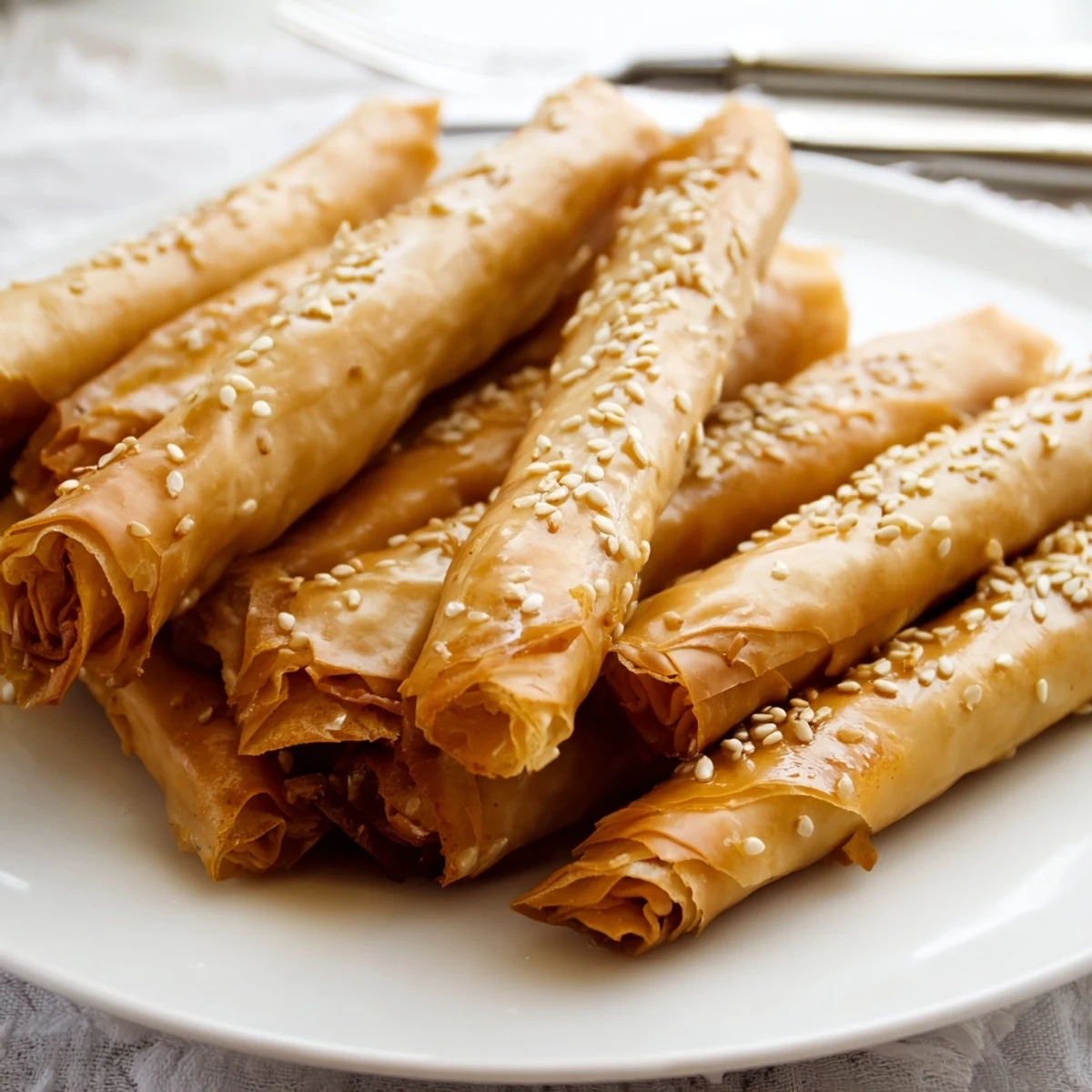
- Dip each baked cigar into the warm syrup, turning to coat completely, then transfer to a cooling rack to let the excess drip off. Sprinkle with toasted sesame seeds while the syrup is still sticky so they adhere well.
 Save to Pinterest
 My grandmother tried one and told me they reminded her of the baklava her Syrian neighbor used to make when she was a girl. Food carries memories like that across generations and borders.
Working With Phyllo Dough
Phyllo can feel intimidating until you understand it simply wants to stay hydrated. I keep a clean damp kitchen towel over the stack I am not using, and sometimes I lay another dry towel on top to prevent any condensation from making the sheets soggy.
Getting The Roll Tight
The first few times I made these, some of them came out loose and the filling spilled during baking. I learned to use gentle but firm pressure as I roll, almost like I am rolling a sleeping bag tight enough to fit in its carrier.
Serving And Storing
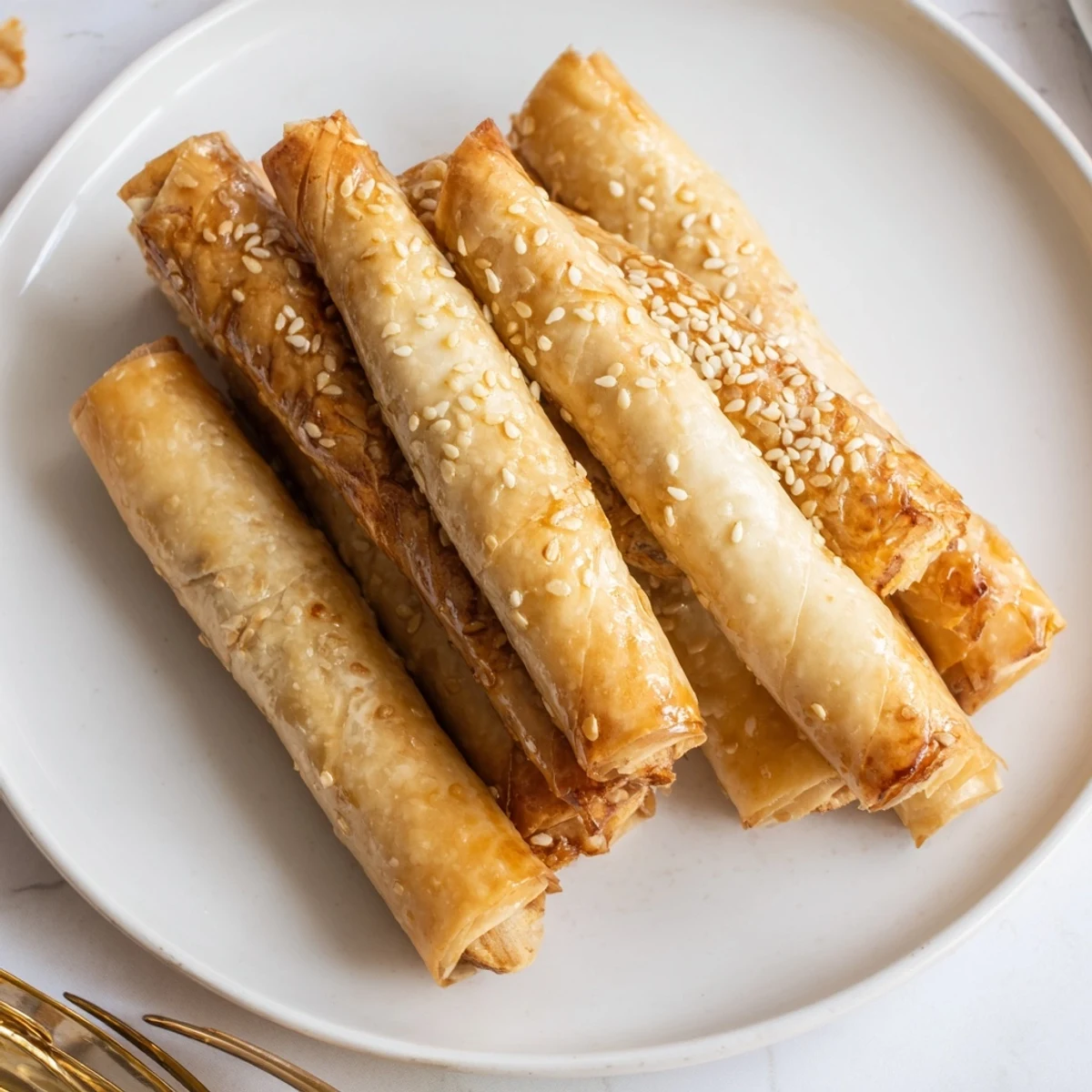
These are best served the same day they are made when that pastry is still at its crispest. They do keep well in an airtight container for a few days, though the pastry will soften slightly as it absorbs the honey.
- Let them cool completely before storing or trapped moisture makes them soggy
- Bring them to room temperature before serving for the best texture
- A light dusting of powdered sugar right before serving makes them look extra special
 Save to Pinterest
 There is something deeply satisfying about making pastry from another culture and finding that it feels completely at home in your own kitchen.
Recipe Questions & Answers
- → Can I make the filling ahead of time?
-
Yes, prepare the almond paste up to 3 days in advance and store it refrigerated in an airtight container. Let it come to room temperature before filling the pastries for easier handling.
- → What's the difference between brick and phyllo pastry?
-
Brick pastry is traditional in Moroccan cuisine, slightly thicker than phyllo and more pliable. Phyllo works beautifully as a substitute—just handle it gently and keep sheets covered to prevent drying.
- → How do I prevent the pastries from becoming soggy?
-
Bake the cigars until thoroughly golden and crisp. When dipping in honey syrup, work quickly and place them on a wire rack immediately to allow excess syrup to drain off completely.
- → Can I freeze these pastries?
-
Freeze unfilled cigars between layers of parchment paper for up to 1 month. Bake from frozen, adding a few extra minutes. For best results, add honey coating after they've cooled completely.
- → What pairs well with these sweets?
-
Serve with Moroccan mint tea for an authentic experience. They also complement strong Arabic coffee or a glass of cold milk to balance the sweetness.
- → Can I reduce the sweetness?
-
Lightly brush the cigars with honey syrup using a pastry brush instead of fully dipping them, or drizzle the syrup over top for a lighter coating while maintaining the traditional flavor.