
 Save to Pinterest
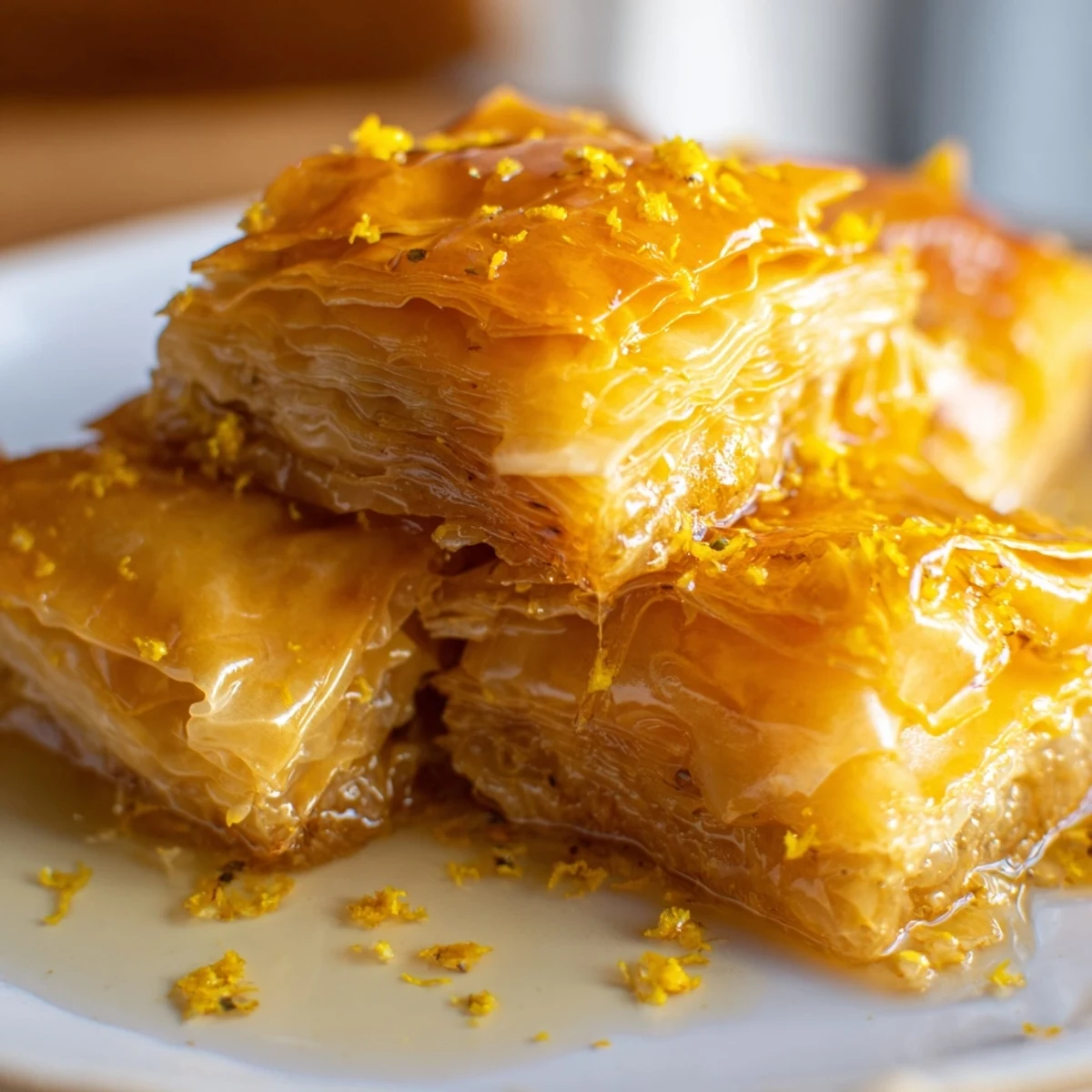
 Portokalopita transforms simple phyllo sheets into an extraordinary Greek dessert through clever technique. The phyllo is crumpled and dried before being folded into a rich yogurt-egg batter infused with fresh orange zest. While baking, the phyllo becomes wonderfully crisp and golden. The magic happens when hot syrup meets the warm cake, absorbing deeply to create tender, aromatic layers with a perfect balance of sweetness and bright citrus flavor. This dessert exemplifies Greek hospitality, requiring patience for the syrup to fully penetrate but rewarding you with an irresistible texture and refreshing orange essence.
The first time I encountered portokalopita was at a tiny family-run taverna in Athens, where the owner's grandmother emerged from the kitchen carrying a dish that smelled like sunshine itself. She explained that letting phyllo sheets dry out was intentional—a technique that transforms the pastry into something that drinks up syrup like a thirsty sponge. I watched her pour the cooled orange syrup over the golden pie, and the sound of it sizzling and absorbing was absolutely mesmerizing.
Last summer, I made this for a dinner party where my friend Maria actually gasped when she took her first bite. She said it reminded her exactly of her yiayia's kitchen in Thessaloniki, complete with the citrus scent that would drift through open windows during orange season. We spent the rest of the evening picking at the dish while sharing stories about family recipes that never quite made it onto index cards.
Ingredients
- Phyllo sheets (450 g): Let these dry out for an hour—crumpling them creates those crispy ridges that capture syrup perfectly
- Large eggs (4): Room temperature eggs whip up fluffier and incorporate more air into the batter
- Greek yogurt (250 g): Full-fat is non-negotiable here—it adds tang and richness that balances the sweet syrup
- Granulated sugar (200 g for pie + 200 g for syrup): This amount provides just enough sweetness without overpowering the fresh orange flavor
- Light olive oil (120 ml): Adds subtle fruity notes that complement the citrus
- Vanilla extract (2 tsp): Use pure vanilla for the warm, aromatic background note
- Orange zest (from 2 large oranges): Grate this gently—you want the fragrant oils, not the bitter white pith
- Baking powder (2 tsp): Ensures the crumpled phyllo pieces puff up slightly while baking
- Water (250 ml): Forms the base of the syrup
- Fresh orange juice (200 ml): Squeeze this yourself—bottled juice lacks the vibrant acidity needed
- Cinnamon stick (1): Adds warm spice that plays beautifully against the bright citrus
Instructions
- Prepare your oven and dish:
- Preheat to 180°C (350°F) and lightly grease a 23x33 cm baking dish with butter or oil.
- Transform the phyllo:
- Remove phyllo from packaging, spread it out, and let it air-dry for 1 hour until slightly stiff, then crumple into rough pieces.
- Whisk the base:
- In a large bowl, beat eggs and sugar until pale and thick, then fold in yogurt, oil, vanilla, zest, and baking powder.
- Combine everything:
- Gently fold the crumpled phyllo into the batter until every piece is coated.
- Bake until golden:
- Pour into your prepared dish, smooth the top, and bake for 40-45 minutes until deeply golden and a skewer comes out clean.
- Make the syrup while baking:
- Simmer water, sugar, orange juice, cinnamon stick, and zest for 8 minutes, then cool completely.
- The syrup moment:
- Remove cinnamon and zest from syrup, then slowly pour the cooled syrup over the hot pie.
- Patience pays off:
- Let the pie soak for at least 2 hours—the longer it sits, the more deeply the syrup penetrates.
 Save to Pinterest
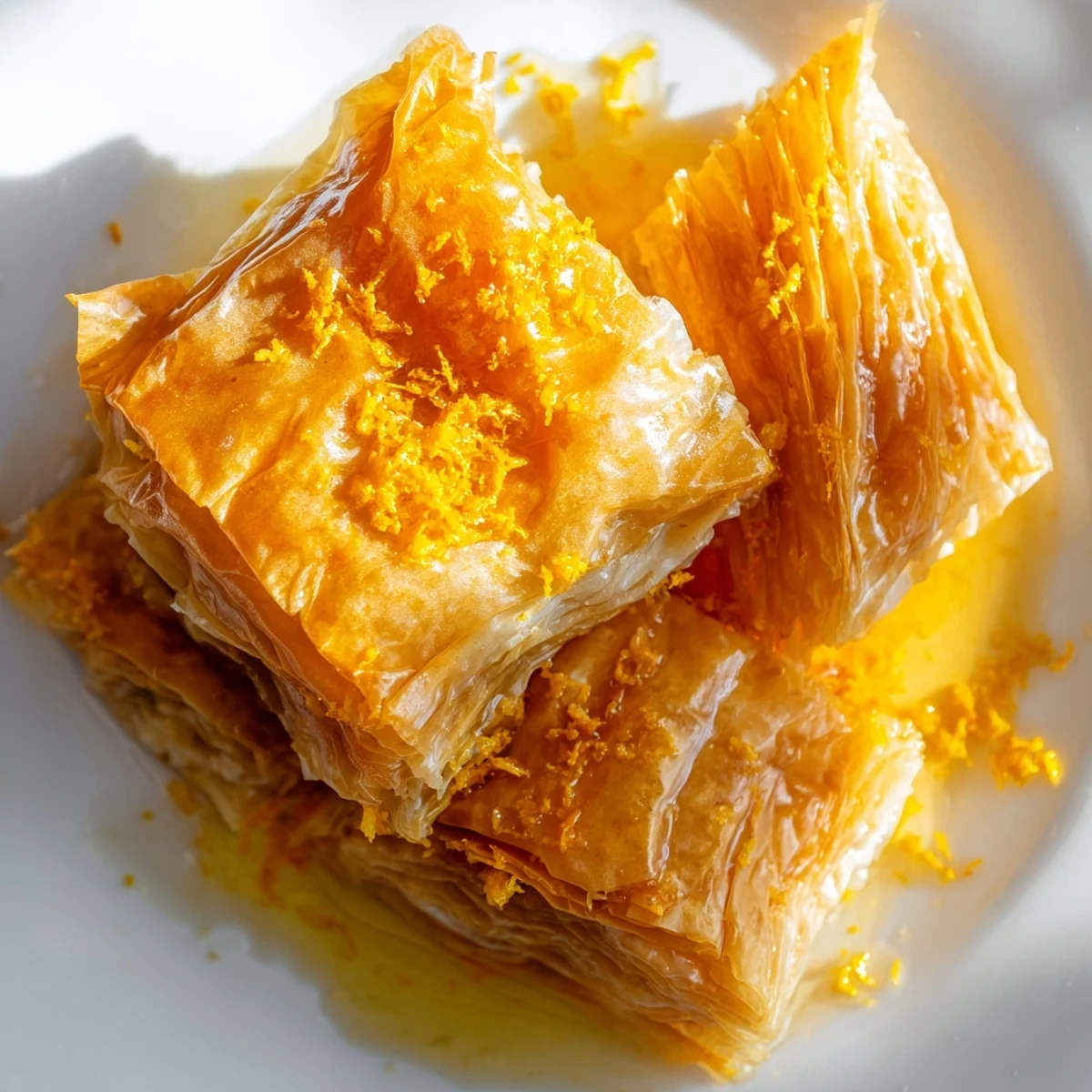
 My neighbor Costas told me that in his village, portokalopita is traditionally made on feast days when oranges are abundant. The whole neighborhood would share oranges from backyard trees, and someone would always be tasked with grating zest while children were sent to squeeze juice by hand. Now whenever I zest oranges, the aroma transports me back to that story of community and simple generosity.
Getting the Texture Right
The magic of portokalopita lies in having some pieces stay crunchy while others soften into pudding-like tenderness. I learned this happens because crumpled phyllo folds over itself—some areas stay exposed to oven heat while others nestle in the creamy batter. Do not obsess over evenly coating every single piece.
Syrup Variations
Sometimes I add a splash of Grand Marnier to the syrup just before pouring it over the pie—the alcohol bakes off but leaves behind this incredible orange blossom fragrance. In winter, I have also added a star anise to the simmering syrup for subtle licorice notes that make the dessert feel even more warming.
Serving Suggestions
Portokalopita needs nothing, but a dollop of unsweetened whipped cream or a scoop of vanilla ice cream creates this lovely temperature contrast. I have also served it alongside strong Greek coffee, where the bitterness cuts through the sweetness beautifully.
- Sprinkle a pinch of sea salt over individual servings to make the orange flavor pop
- Let the pie come to room temperature before chilling if you prefer cold—textural changes are subtle but noticeable
- Leftovers keep for three days in the refrigerator, though the texture softens over time
 Save to Pinterest
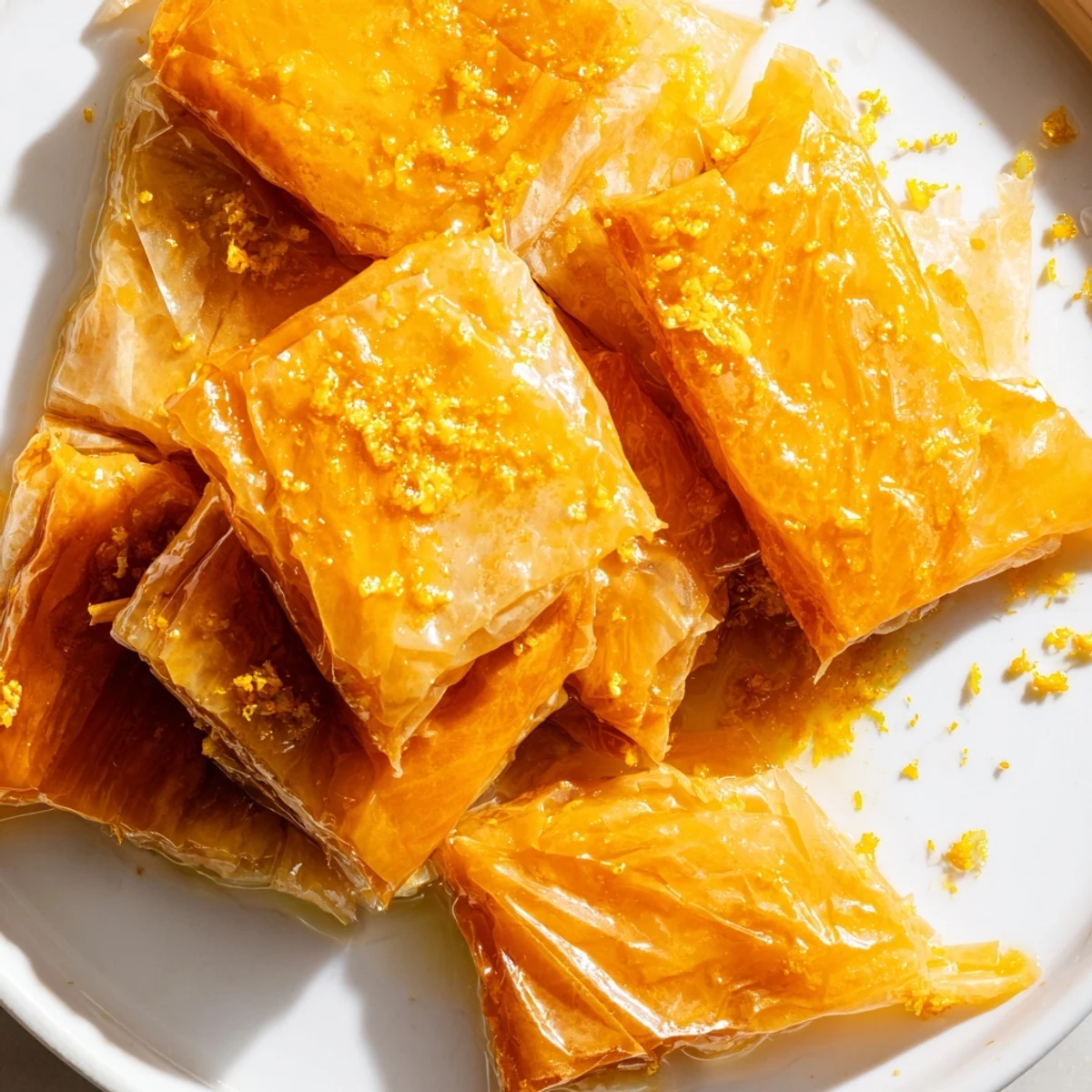
 This dessert has become my go-to when I need to bring something to gatherings because it travels well and always prompts questions. Something about that bright orange flavor feels like hospitality itself.
Recipe Questions & Answers
- → Why must phyllo sheets dry out before using?
-
Drying the phyllo for one hour creates the signature crumpled texture that absorbs the syrup evenly. This prevents gummy layers and ensures each piece becomes crisp rather than soggy when soaked.
- → Can I prepare Portokalopita in advance?
-
Absolutely. This dessert actually improves after resting overnight, allowing the syrup to fully penetrate. Serve chilled or at room temperature for the best texture and flavor integration.
- → What's the purpose of cooling the syrup before pouring?
-
Cold syrup poured over hot pastry creates optimal absorption without melting the delicate structure. The temperature contrast helps the phyllo maintain texture while soaking up sweetness.
- → Is Greek yogurt essential for this recipe?
-
Genuine Greek yogurt provides the necessary thickness and tang to balance the sweet syrup. Regular yogurt may be too thin, affecting both batter consistency and final flavor profile.
- → How should I store leftovers?
-
Keep covered in the refrigerator for up to 5 days. The flavors continue developing, and the texture remains pleasantly moist. Serve directly from the fridge or bring to room temperature.