
 Save to Pinterest
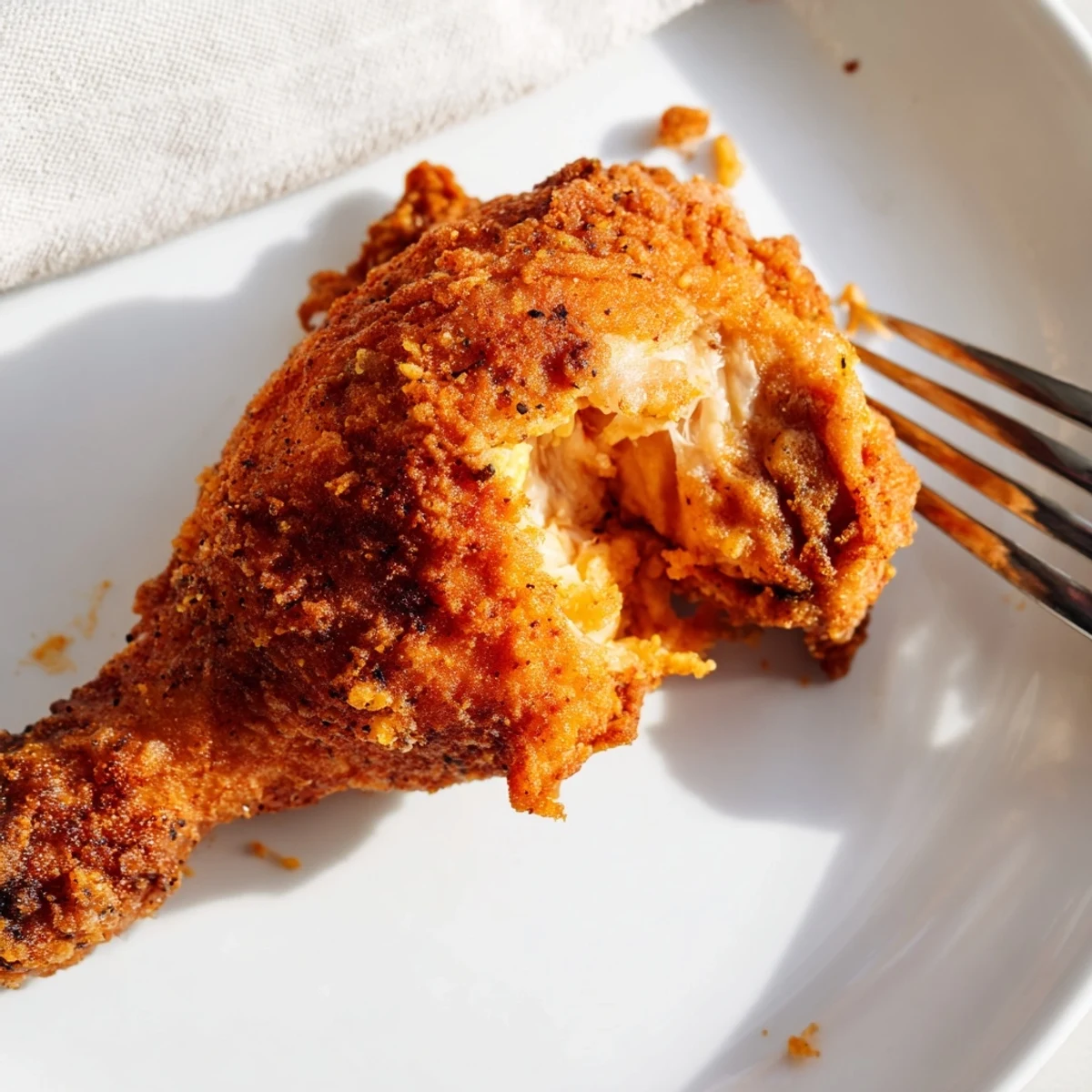
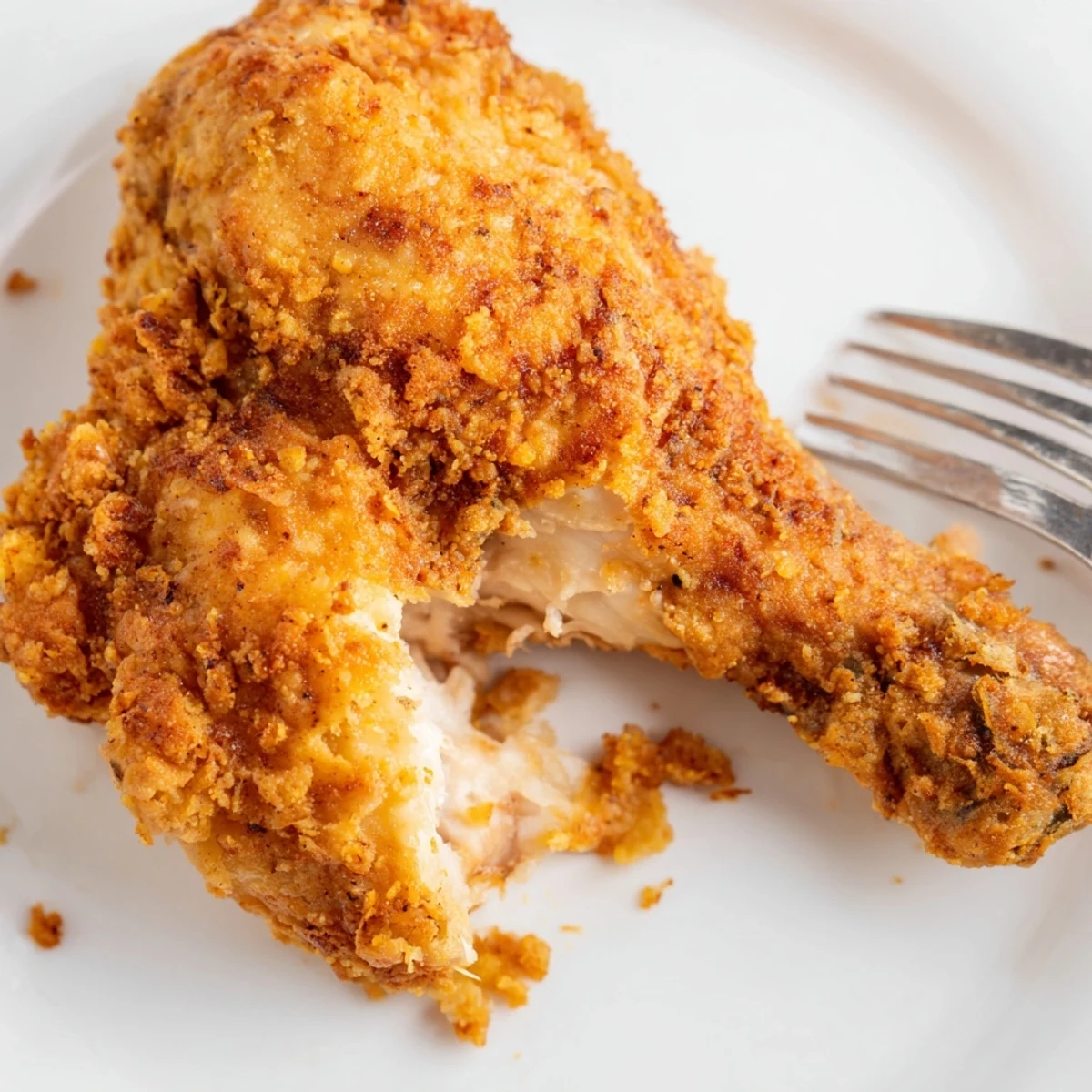
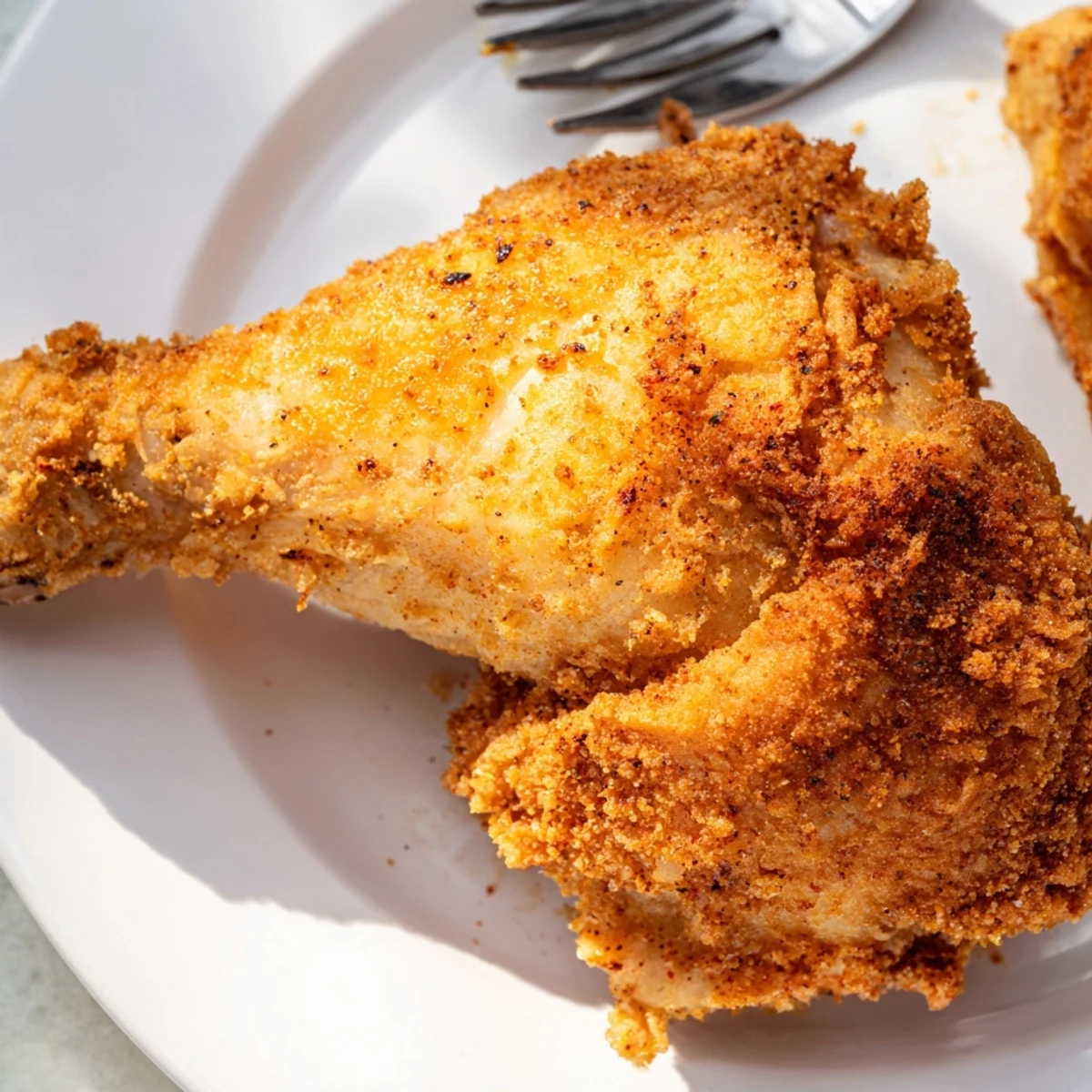
 A classic Southern preparation featuring whole chicken cut into pieces and soaked in tangy buttermilk for at least 4 hours. The buttermilk marinade, enriched with hot sauce and spices, ensures tender meat that stays juicy during frying. Each piece is dredged in a seasoned flour blend containing paprika, garlic powder, onion powder, and cayenne before being deep-fried to achieve that signature golden-brown, craggy crust. The result is irresistibly crispy outside with moist, flavorful meat inside.
Perfect for Sunday suppers, this hearty dish serves four and pairs beautifully with traditional sides like mashed potatoes, coleslaw, or warm biscuits. For extra crunch, try the double-dipping technique—a second coating creates an even thicker, crunchier exterior.
The kitchen smelled like childhood summers the moment I dropped that first piece of chicken into the hot oil. My grandmother never measured anything, but she taught me that sound—that sizzling, bubbling symphony—means you're doing something right. I've ruined countless batches trying to rush the marinade time, but the real secret is patience. Something magical happens when buttermilk has hours to work its way into the meat.
Last summer I made this for a neighborhood potluck and watched grown adults hover around the platter like sharks. My neighbor's husband admitted he'd been dreaming about my fried chicken for weeks, which is either a compliment or a warning about my cooking. There's something undeniably comforting about a plate of perfectly fried chicken, the kind of food that makes people slow down and savor every bite.
Ingredients
- Whole chicken: Cutting your own saves money and gives you the exact pieces you prefer
- Buttermilk: The acidity breaks down proteins for incredibly tender meat
- Hot sauce: Even a tiny kick in the marinade adds depth without making it spicy
- All-purpose flour: Creates that classic, craggy coating we all love
- Paprika: Adds beautiful color and a subtle sweetness
- Garlic and onion powder: These two are the backbone of Southern flavor
- Cayenne pepper: Adjust this to your heat tolerance, but don't skip it entirely
- Vegetable oil: Peanut oil adds a lovely nutty flavor if you can afford it
Instructions
- Prepare the buttermilk bath:
- Whisk the buttermilk with hot sauce, salt, and pepper until combined, then submerge the chicken pieces completely. The longer it soaks, the better it gets.
- Mix the coating:
- Combine all the flour and spices in a shallow dish, using a fork to distribute the seasonings evenly so every bite is perfectly seasoned.
- Dredge like a pro:
- Lift chicken from the marinade, let excess drip off, then press firmly into the flour mixture, ensuring every nook and cranny is coated. Shake gently to remove loose flour.
- Get the oil right:
- Heat your oil until it reaches 350°F—too cold and you'll get greasy chicken, too hot and it will burn before the meat cooks through.
- Fry to perfection:
- Carefully lower pieces into the hot oil, working in batches so you don't crowd the pan. Listen for that steady bubble and flip when the first side is golden brown.
- Rest before serving:
- Let the chicken drain on a wire rack for at least five minutes so the coating stays crispy while the juices redistribute.
 Save to Pinterest
 My daughter asked me to teach her this recipe last weekend, and watching her carefully dredge each piece of chicken made me realize how cooking connects generations. We made an absolute mess of the kitchen, flour everywhere, but she insisted it was the best meal she'd ever eaten. Some recipes are worth the cleanup.
Getting That Perfect Crunch
The difference between good fried chicken and great fried chicken comes down to technique. Don't shake off too much flour—those little clumps and crags are what create the crispy texture everyone craves. I've learned that pressing the flour into the chicken rather than just rolling it makes the coating adhere better during frying.
Temperature Secrets
Invest in a good thermometer if you're serious about fried chicken. I spent years judging oil temperature by dropping in little bits of flour, which is unreliable at best. When the oil stays at a steady 350°F, the chicken cooks evenly without absorbing too much grease, which is the hallmark of truly excellent fried chicken.
Make It Your Own
Once you master the basic technique, the variations are endless. Some cooks add a pinch of sugar to their flour mixture for extra browning, while others swap in different spices depending on their mood. The double-dipping method creates an extra thick crust that some people swear by, though it does take more time and effort.
- Try adding a tablespoon of cornstarch to your flour for extra crunch
- A splash of pickle juice in the buttermilk adds amazing tang
- Letting the floured chicken sit for 10 minutes before frying helps the coating set
 Save to Pinterest
 There's nothing quite like sitting down to a plate of hot, crispy fried chicken you made yourself. Take your time with it—this is cooking that deserves to be savored.
Recipe Questions & Answers
- → How long should chicken marinate in buttermilk?
-
Marinate for at least 4 hours, though overnight yields the most tender and flavorful results. The buttermilk's acidity breaks down proteins, ensuring juicy meat that stays moist during frying.
- → What oil works best for frying?
-
Vegetable or peanut oil are ideal choices due to their high smoke points and neutral flavors. Peanut oil adds a subtle nutty note that complements the Southern seasoning blend.
- → How do I achieve extra crispy coating?
-
Double-dip by returning flour-coated pieces briefly to the buttermilk, then dredging again in seasoned flour. This second layer creates an even thicker, crunchier crust that stays crisp longer.
- → What temperature should the oil be?
-
Maintain oil at 350°F (175°C) for optimal results. Too cool and the coating becomes soggy; too hot and the exterior burns before the meat cooks through. A thermometer ensures accuracy.
- → Can I make this less spicy?
-
Simply reduce or omit the cayenne pepper and hot sauce. The seasoning blend remains flavorful with garlic and onion powders providing depth without heat. Adjust spices to suit your taste preferences.
- → What sides complement this dish?
-
Classic Southern sides like creamy mashed potatoes with gravy, tangy coleslaw, flaky biscuits, or macaroni and cheese create the perfect plate. Fried okra or collard greens add authentic regional flair.