
 Save to Pinterest
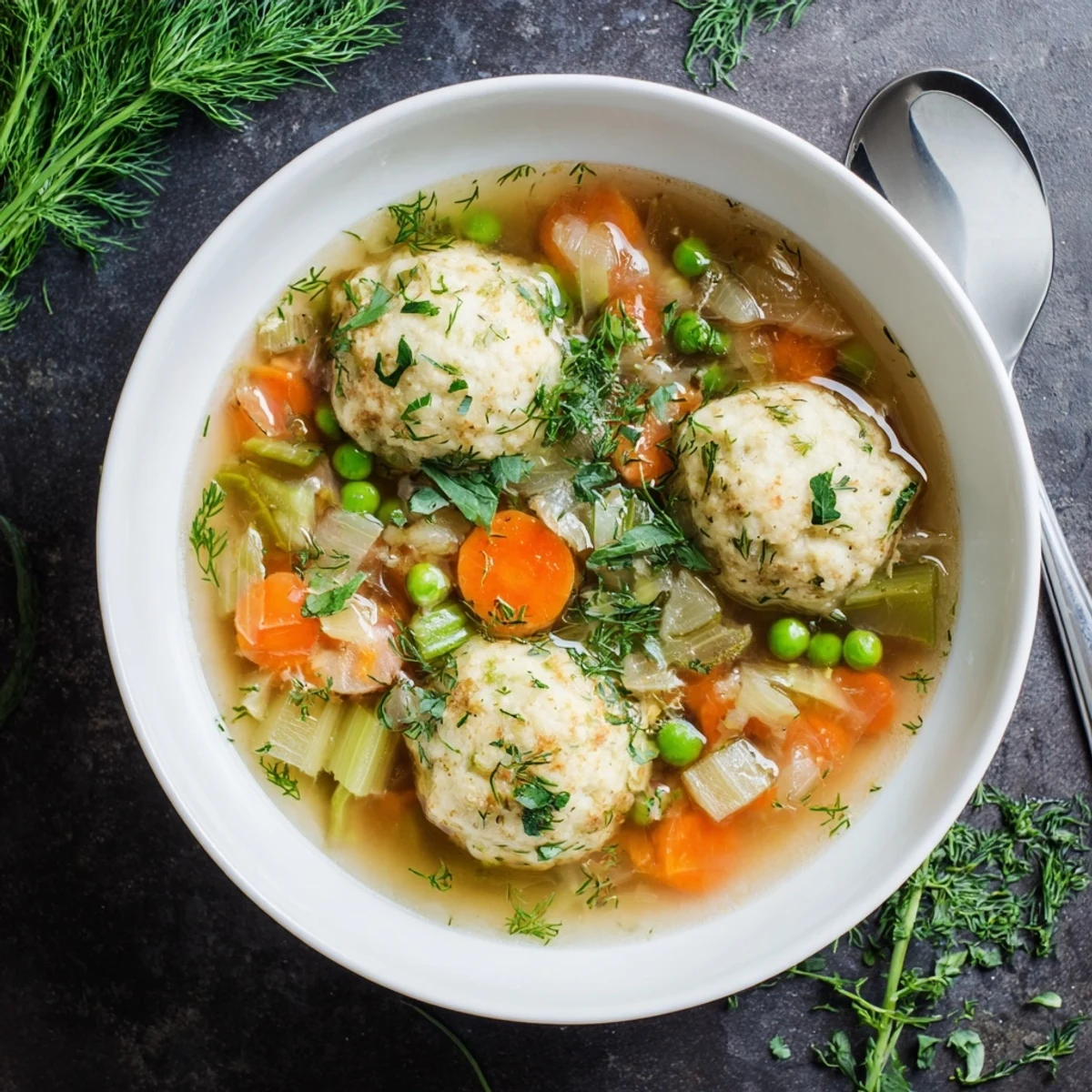
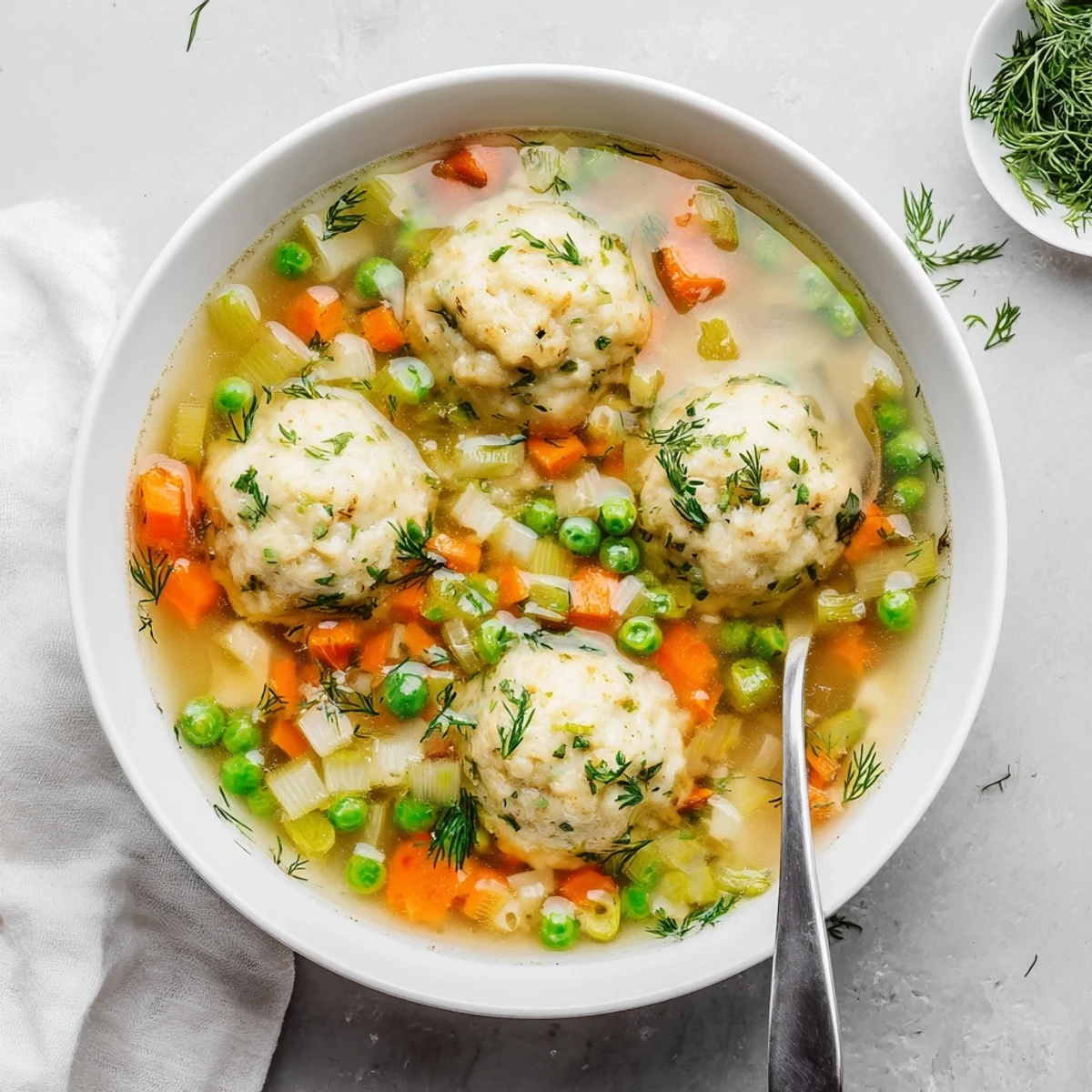
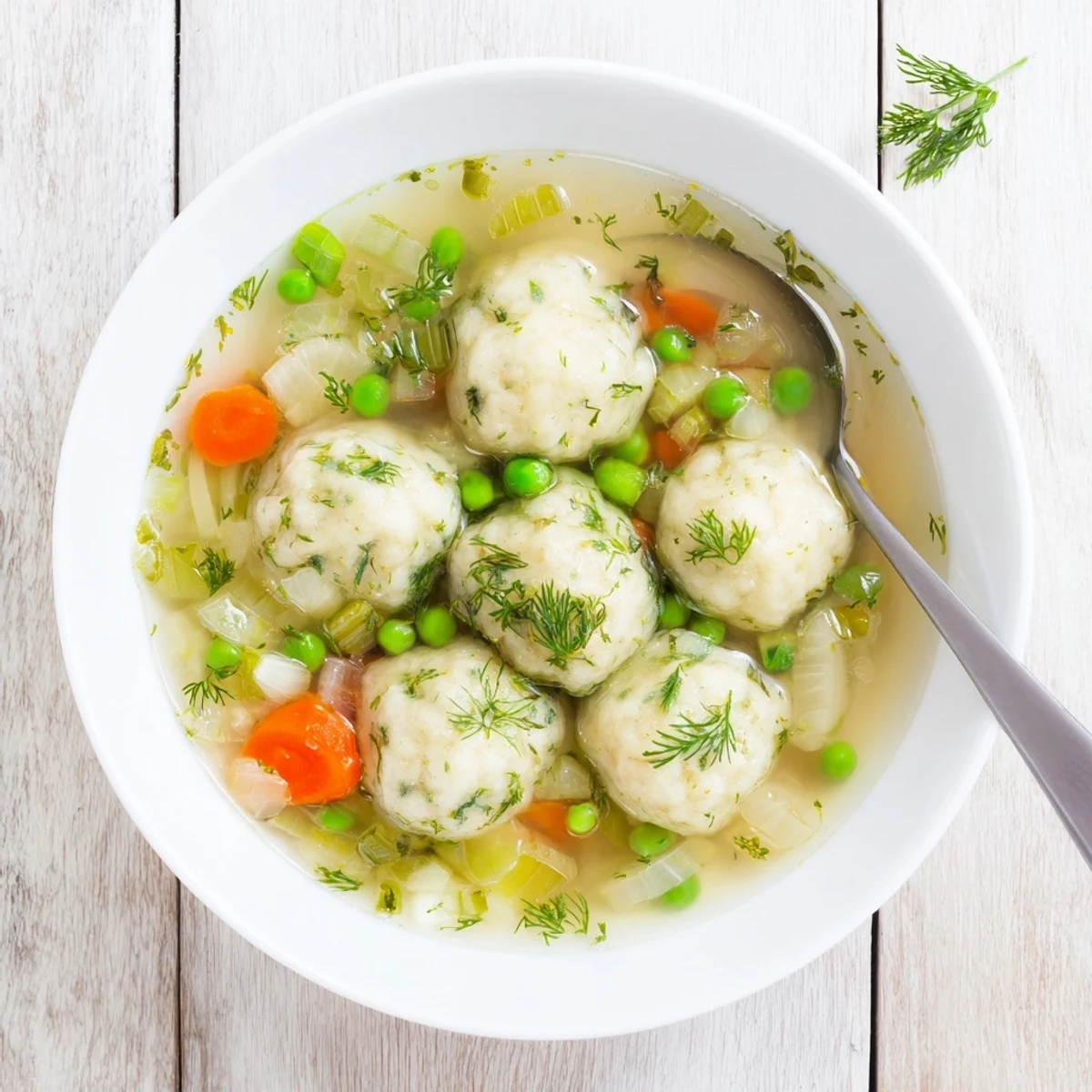
 Hearty dumplings float in a rich vegetable broth alongside carrots, celery, and peas. The tender dough, made with butter and fresh parsley, cooks directly in the simmering soup for ultimate softness. Ready in about 50 minutes, this bowl brings comfort with every spoonful.
It was the kind of rainy Sunday that practically begged for something simmering on the stove. I had been thumbing through my grandmother's recipe cards and found one for dumpling soup, written in her careful cursive. Something about the simplicity of it called to me, the way the best comfort food always does.
My roommate wandered into the kitchen around minute three of the simmering stage, nose in the air like a cartoon character following a scent trail. We ended up eating standing up at the counter, too impatient to bother with proper bowls. That's the thing about this soup, it demands your full attention the moment you lift the lid.
Ingredients
- 1 cup all-purpose flour: The foundation of perfectly pillowy dumplings that hold their shape in hot broth
- 1/2 teaspoon baking powder: This tiny amount creates just enough lift for tender dumplings without making them bread-like
- 1/4 teaspoon salt: Essential for bringing out the subtle flavors in both dumplings and soup
- 2 tablespoons cold butter: Keeping it cold is the secret to creating those irresistible flaky pockets in the dough
- 1/3 cup milk: Brings everything together into a soft, scoopable dough that drops perfectly into soup
- 2 tablespoons fresh parsley: Brightens the dumplings and adds that fresh-from-the-garden flavor
- 1 tablespoon olive oil: The gentle base for sautéing your aromatic vegetables
- 1 medium onion: The aromatic backbone that builds depth in every spoonful
- 2 carrots: Natural sweetness that balances the savory elements beautifully
- 2 celery stalks: Adds that classic mirepoix flavor and subtle crunch
- 2 garlic cloves: Because almost everything tastes better with a little garlic
- 6 cups vegetable broth: Use a good quality one here since it becomes the primary flavor carrier
- 1 bay leaf: The quiet workhorse that adds subtle herbal notes
- 1 teaspoon dried thyme: Earthy and warm, thyme pairs perfectly with soups and root vegetables
- 1 cup frozen peas: Little pops of sweetness and color that make every bowl feel complete
- 2 tablespoons fresh dill or parsley: The finishing touch that makes each bowl feel restaurant-worthy
Instructions
- Mix the dumpling dough:
- Combine flour, baking powder, and salt in a bowl, then cut in cold butter until the mixture looks like coarse crumbs. Stir in milk and parsley until just combined, being careful not to overwork it.
- Build the soup base:
- Heat olive oil in a large pot over medium heat and sauté onion, carrots, and celery for 5 minutes until they start to soften. Add garlic for just one minute more, letting it become fragrant but not browned.
- Create the broth:
- Pour in the vegetable broth, add bay leaf and thyme, then bring everything to a gentle simmer. Season with salt and pepper now, remembering the dumplings will absorb some of that seasoning.
- Add the dumplings:
- Drop tablespoon-sized portions of dough directly onto the surface of your simmering soup. Cover immediately and resist the urge to peek, letting them steam undisturbed for 15 minutes.
- Finish with peas:
- Uncover the pot, add frozen peas, and simmer for 5 more minutes until everything is heated through. The dumplings should be firm and cooked all the way through.
- Serve it up:
- Remove the bay leaf, adjust seasoning if needed, then ladle into bowls. Sprinkle with fresh dill or parsley and watch steam rise in the most comforting way possible.
 Save to Pinterest
 This recipe became my go-to during finals week in college. Something about the rhythm of chopping vegetables and the way the kitchen fills with steam made everything feel manageable. My neighbors started timing their visits to dumpling soup night, showing up with empty Tupperware and hopeful expressions.
Making It Your Own
I have discovered that this soup welcomes all kinds of additions. Leftover roasted chicken makes it more substantial, while a handful of spinach wilts beautifully into the broth. Sometimes I add a splash of cream right at the end for extra richness, though the soup is perfectly wonderful without it.
Getting The Dumplings Right
The first few times I made this, my dumplings were either too dense or fell apart in the soup. The secret is trusting the process and not overthinking the dough. It should look shaggy and imperfect, not smooth and uniform. Those little imperfections are what make them homemade and wonderful.
Serving Suggestions
A crusty slice of bread is practically mandatory for soaking up every last drop of broth. I like to set out a small bowl of extra fresh herbs and let everyone add their own finishing touches. A simple green salad on the side makes it feel like dinner instead of just soup.
- Keep some crusty bread on hand for the full experience
- A squeeze of fresh lemon right before serving brightens everything
- Make extra dumplings because they disappear first
 Save to Pinterest
 There is something deeply satisfying about a recipe that turns simple ingredients into something that feels like a hug in a bowl. I hope this soup finds you on a day when you need exactly that.
Recipe Questions & Answers
- → How do I know when dumplings are cooked?
-
Dumplings are done when they feel firm to the touch and a toothpick inserted into the center comes out clean. This typically takes about 15 minutes of covered cooking.
- → Can I make this ahead of time?
-
The soup base freezes beautifully, but it's best to cook fresh dumplings when serving. Store broth separately and drop in dumpling dough during reheating.
- → What vegetables work best in this soup?
-
Classic mirepoix vegetables like onions, carrots, and celery create the perfect base. You can also add diced potatoes, green beans, or corn for extra variety.
- → How can I add more protein?
-
Stir in cooked shredded chicken, diced ham, or white beans when adding the broth. For vegetarian options, try chickpeas or lentils instead.
- → Why do my dumplings sometimes turn dense?
-
Avoid overmixing the dough and don't lift the lid while they steam. The trapped steam creates the light, fluffy texture you want.