
 Save to Pinterest
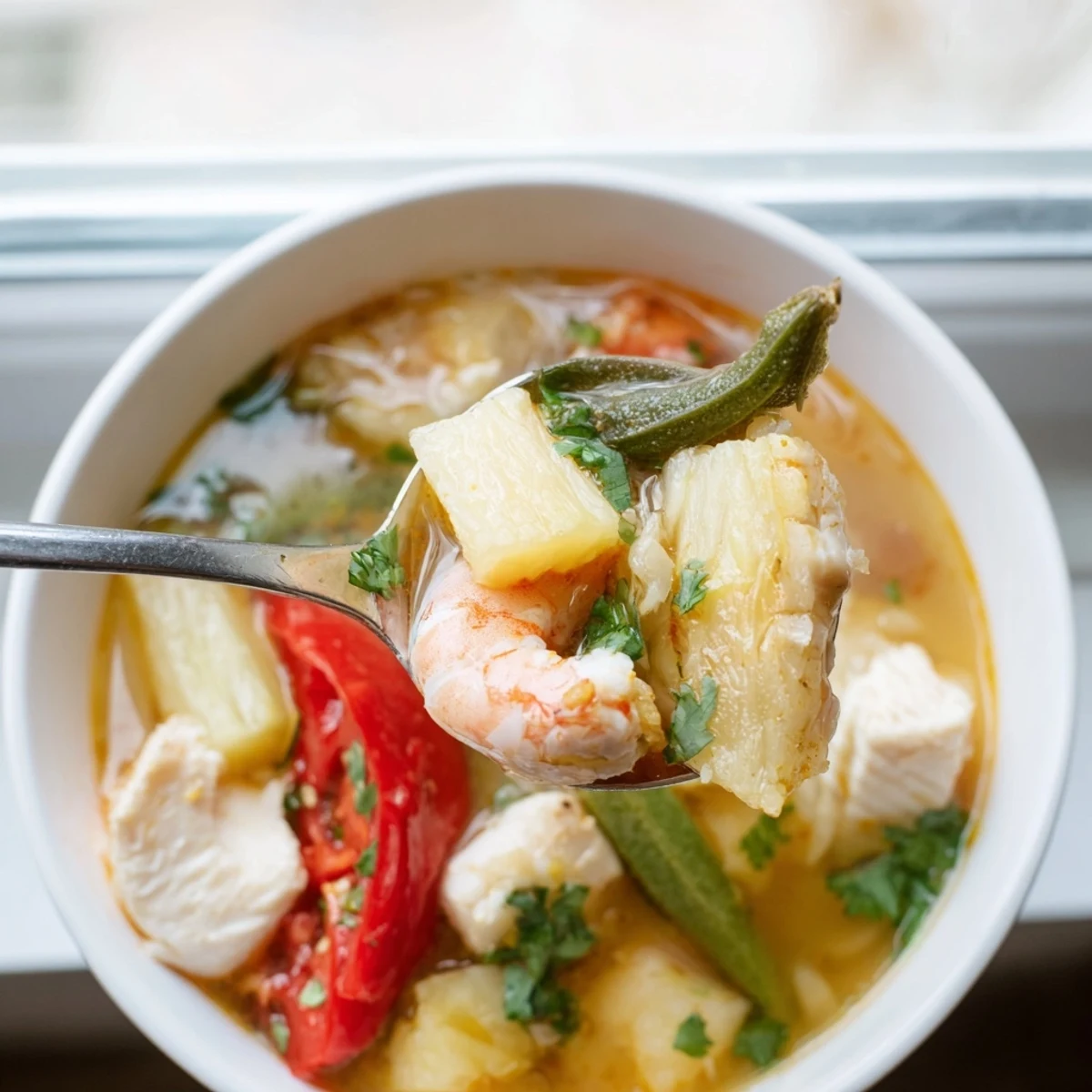
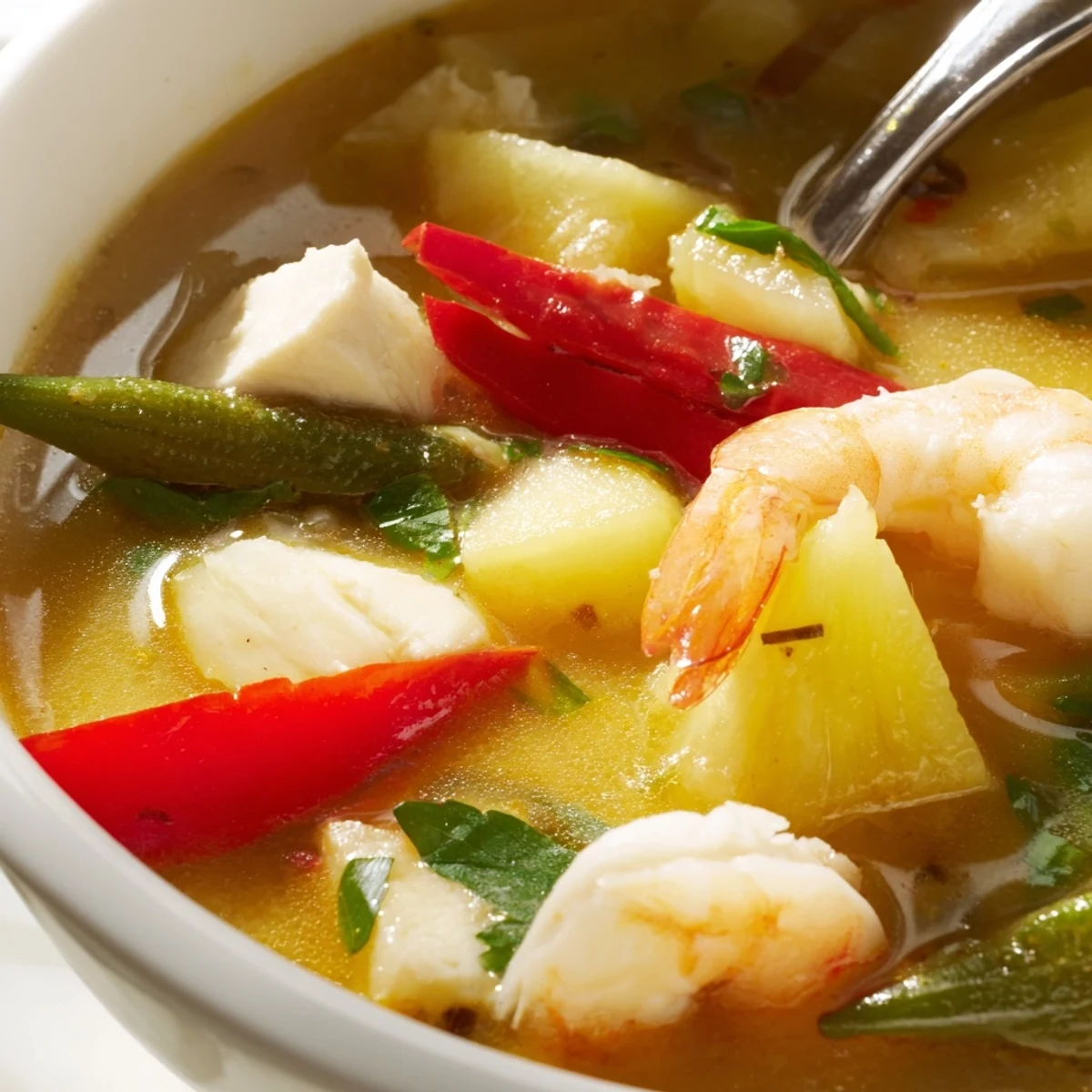
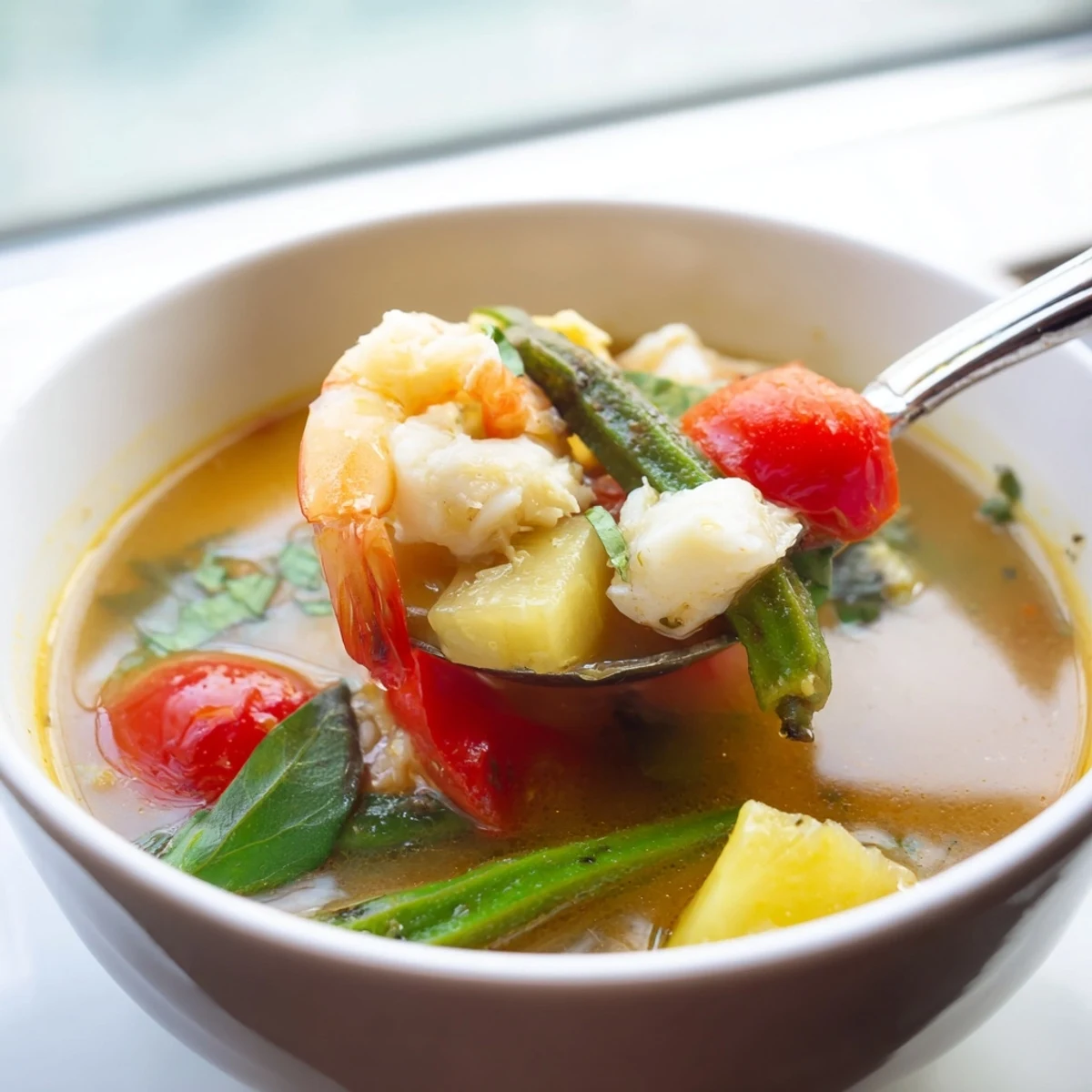
 This traditional Vietnamese soup balances tangy tamarind, sweet pineapple, and savory fish in a aromatic broth. The dish features tender white fish fillets and optional shrimp simmered with tomatoes, okra, and bean sprouts. Fresh herbs like Thai basil, sawtooth coriander, and cilantro add bright flavors. Perfect served over steamed jasmine rice, this gluten-free and dairy-free soup delivers a harmonious blend of sweet, sour, and salty notes that Vietnamese cuisine is celebrated for.
The first time my Vietnamese neighbor invited me over for dinner, she set down this steaming bowl of what looked like chaos in a pot. One spoonful later and I understood this wasnt chaos at all it was perfect harmony. That afternoon changed how I thought about balance in a bowl forever. Now, whenever life feels overwhelming, I make this soup and let those contrasting flavors remind me that sweet, sour, and salty can actually coexist beautifully.
Last rainy Tuesday, my friend Lena was feeling under the weather and asked for something that would wake up her appetite. I brought over a pot of this canh chua, and by bowl number two, she was sitting up straighter, asking about the tamarind. Theres something almost magical about how the sourness cuts through foggy malaise. Now she calls it her soup reset button, and I cant argue with that.
Ingredients
- 500 g white fish fillets: Catfish or basa hold up beautifully in hot broth without falling apart, but any mild white fish works perfectly
- 8 large shrimp: Totally optional but adds lovely sweetness that balances the tangy broth
- 2 medium tomatoes: Wedges break down slightly and add natural acidity and beautiful color
- 1 small pineapple: Fresh is non negotiable here, the sweetness and texture make the soup sing
- 150 g bean sprouts: Add these last minute for satisfying crunch in every spoonful
- 150 g okra: Sliced thin adds body and natural thickening to the broth
- 2 stalks celery: Substitute traditional elephant ear stem if you can find it at Asian markets
- 2 cloves garlic and 1 small onion: The aromatic foundation that makes everything else taste better
- 2 birds eye chilies: Leave whole if you want gentle heat, slice them if you mean business
- 1.5 liters fish stock: Water works but stock adds that extra layer of savory depth
- 3 tablespoons fish sauce: Dont be tempted to reduce this, its the salty anchor for all other flavors
- 2 tablespoons tamarind paste: This is the sour soul of the dish, adjust to your taste
- 1 tablespoon sugar and 1 teaspoon salt: Balance these carefully with the tamarind
- Fresh Thai basil and sawtooth coriander: These herbs are not garnishes, they are essential players
Instructions
- Build the aromatic base:
- Heat a splash of oil in your large pot over medium heat, then sauté garlic and onion until fragrant and translucent, about 2 minutes.
- Create the broth:
- Pour in your stock or water, then stir in tamarind paste, fish sauce, sugar, and salt until fully dissolved.
- Add the vegetables:
- Drop in pineapple, tomatoes, okra, celery, and chilies, then simmer for 5 to 7 minutes until just tender.
- Cook the seafood:
- Gently add fish chunks and shrimp if using, simmering for another 5 to 7 minutes until just cooked through.
- Finish with crunch:
- Stir in bean sprouts and cook for exactly 1 minute, then taste and adjust seasoning with more fish sauce or lime juice.
- Add the herbs:
- Remove from heat immediately and fold in Thai basil, sawtooth coriander, and cilantro.
- Serve:
- Ladle into bowls while steaming hot, passing extra herbs and lime wedges at the table.
 Save to Pinterest
 My daughter turned her nose up at fish soup until she watched me assemble this colorful masterpiece. When I told her she could customize her bowl with extra herbs and lime, something clicked. Now she requests this soup on days when she needs what she calls happy food, and honestly, I do too.
The Art of Balancing Flavors
Vietnamese cooking is all about finding that perfect equilibrium between competing tastes. In canh chua, you want the sour to be noticeable but not puckering, sweet to be present but not sugary. Trust your palate and adjust gradually, tasting after each small addition.
Making It Your Own
This soup welcomes improvisation while keeping its essential character intact. Some days I add more vegetables, other days I skip the shrimp. The non negotiable elements are tamarind, fresh pineapple, and those final herbs that make everything sing.
Serving Suggestions
Steaming jasmine rice is the traditional accompaniment, soaking up that flavorful broth like a sponge. On hot days, I skip the rice and serve it over vermicelli noodles for a lighter meal that still satisfies completely.
- Set out small bowls of extra fish sauce so diners can adjust salinity
- Keep those lime wedges generous, they brighten the entire bowl
- Have plenty of steamed rice ready, because the broth is too good to waste
 Save to Pinterest
 There is something profoundly comforting about a soup that wakes up every sense at once. Make this on a day when you need remembering that life, like this bowl, is best when it embraces all the flavors.
Recipe Questions & Answers
- → What makes Canh Chua uniquely Vietnamese?
-
The distinctive balance of tamarind sourness, pineapple sweetness, and fish sauce umami creates the signature flavor profile. Fresh herbs like sawtooth coriander and Thai basil, combined with elephant ear stems when available, make this soup authentically Vietnamese.
- → Can I make this soup vegetarian?
-
Yes, substitute firm tofu for the fish and shrimp. Use vegetable or mushroom stock instead of fish stock, and replace fish sauce with soy sauce or a vegetarian fish sauce alternative. The tamarind and vegetables maintain the characteristic tangy-sweet profile.
- → What fish works best for this soup?
-
White fish fillets like catfish, tilapia, or basa are traditional choices because they hold their shape during simmering. These mild-flavored fish absorb the broth's flavors while remaining tender. Avoid delicate fish that might fall apart during the 5-7 minute cooking time.
- → How do I adjust the sourness level?
-
The primary sourness comes from tamarind paste. Start with 2 tablespoons and taste the broth before adding seafood. For more tang, add additional tamarind or fresh lime juice at the end. For less sourness, reduce the tamarind to 1 tablespoon and balance with extra sugar.
- → What can I serve with Canh Chua?
-
Steamed jasmine rice is the classic accompaniment, helping soak up the flavorful broth. Vermicelli noodles work well too. Serve with extra lime wedges, chili slices on the side, and additional fresh herbs for diners to customize their bowl. The soup also pairs beautifully with crispy fried fish on the side.
- → Can I prepare Canh Chua in advance?
-
The broth and vegetables can be prepared a day ahead and refrigerated. However, add the seafood and fresh herbs just before serving, as overcooked fish becomes tough and herbs lose their vibrant flavor. Reheat the base gently and complete the final steps when ready to serve.