
 Save to Pinterest
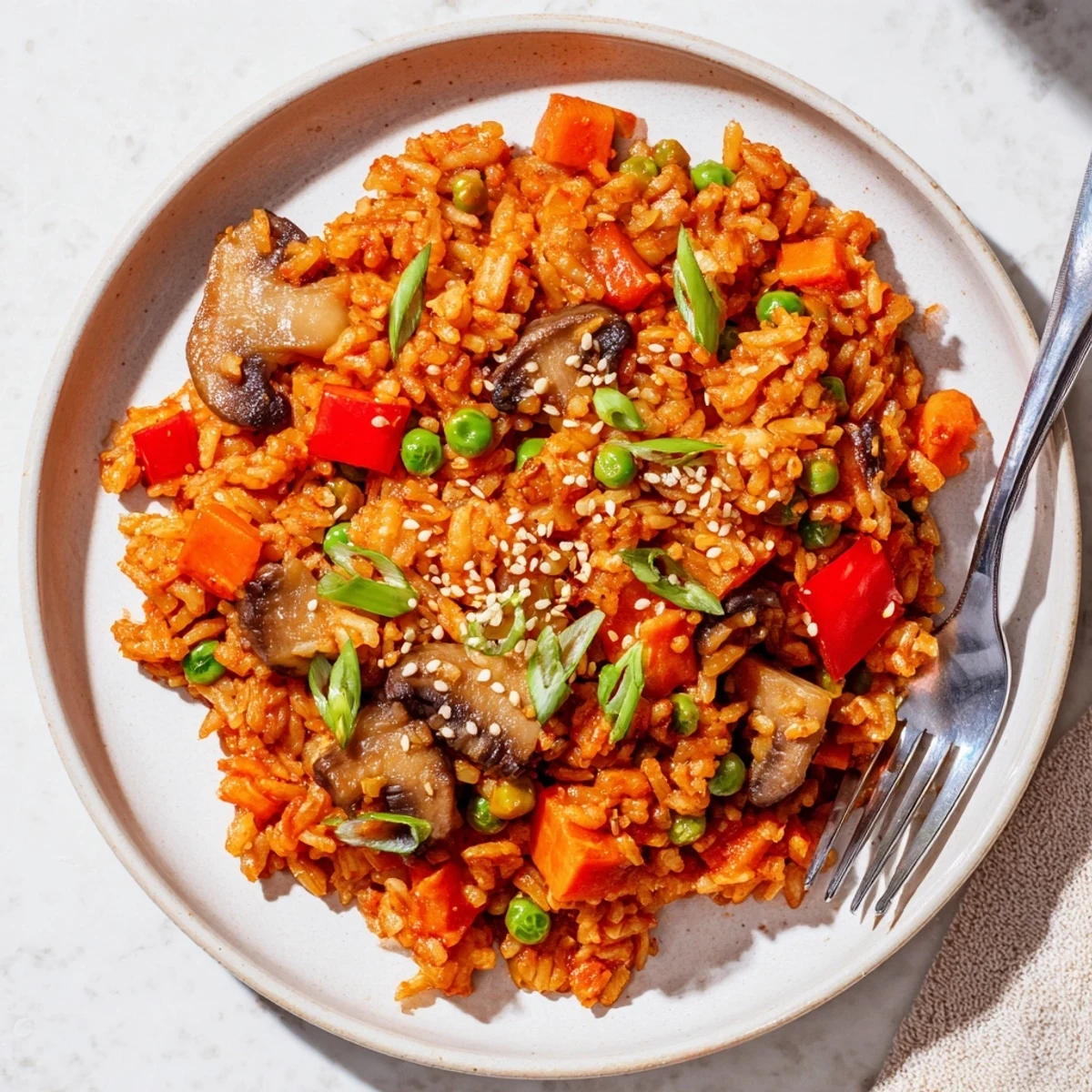
 This Korean-inspired fried rice brings together spicy gochujang paste, crisp vegetables, and day-old rice for a vibrant 30-minute meal. The sauce combines savory soy sauce, toasted sesame oil, maple syrup, and rice vinegar to create a perfect balance of sweet, spicy, and umami flavors. Quick stir-frying keeps vegetables tender-crisp while the rice develops slightly crispy edges.
The sizzle of rice hitting a screaming hot wok is one of those sounds that instantly pulls me into a better mood, and this gochujang fried rice has become my weeknight rescue ritual more times than I can count. Something about the deep red chili paste coating every grain, the sharp bite of green onion, and the way sesame oil hangs in the air makes the whole kitchen feel alive even on the most exhausting Tuesday. My roommate walked in once, mid stir fry, stood silently in the doorway, and said, whatever that is, I want it. We ate standing at the counter with two forks and no plates.
I started making this during a phase when I was trying to eat more plant based meals but kept hitting a wall of blandness around day four. This fried rice shattered that wall completely, and suddenly I was excited about vegan cooking again because it proved that meatless did not have to mean flavorless.
Ingredients
- 3 cups cooked jasmine or short grain rice (preferably day old): Day old rice is the whole secret here because fresh rice holds too much moisture and turns gummy instead of getting those beautiful crispy edges.
- 1 medium carrot, diced: The natural sweetness balances the fermented heat of the gochujang beautifully.
- 1 cup frozen peas: No need to thaw them first because they cook through perfectly in the hot wok.
- 1 red bell pepper, diced: Adds a lovely crunch and bright color that makes the dish look as vibrant as it tastes.
- 4 green onions, sliced, white and green parts separated: The white parts get cooked down for a savory base while the greens go in raw at the end for a fresh finish.
- 2 cloves garlic, minced: Fresh garlic is non negotiable here because it carries the aromatic backbone of the whole dish.
- 1 cup shiitake or button mushrooms, sliced: Shiitake mushrooms bring a deep umami richness that makes you forget there is no meat in this bowl.
- 3 tbsp gochujang (vegan Korean chili paste): This is the heart and soul of the recipe so make sure your gochujang is vegan because some traditional brands contain fish.
- 2 tbsp soy sauce or tamari: Tamari keeps it gluten free and has a slightly richer, deeper flavor than regular soy sauce.
- 1 tbsp toasted sesame oil: Just a tablespoon adds an incredible nutty aroma that ties every flavor together.
- 1 tbsp maple syrup or agave: A touch of sweetness rounds out the fermented heat and makes the sauce taste more complex.
- 1 tbsp rice vinegar: The subtle acidity lifts the whole dish and prevents it from feeling too heavy.
- 1 tbsp neutral oil: Vegetable or canola oil works best because it has a high smoke point and will not compete with the other flavors.
- Sesame seeds and extra green onions for garnish: These are not just decoration because they add genuine texture and freshness to every serving.
Instructions
- Whisk the sauce together:
- In a small bowl, combine the gochujang, soy sauce, sesame oil, maple syrup, and rice vinegar until you have a smooth, unified sauce with no pale streaks of chili paste remaining.
- Get the wok smoking hot:
- Heat the neutral oil in a large skillet or wok over medium high heat until it shimmers and a tiny drop of water flicked in sizzles aggressively.
- Build the aromatic base:
- Toss in the white parts of the green onions, garlic, and diced carrots, then stir fry for about two minutes until the carrots soften slightly and the garlic smells incredible.
- Add the hearty vegetables:
- Slide in the bell pepper and mushrooms and cook for two to three minutes, letting them develop some golden brown color on the edges.
- Toss in the peas:
- Add the frozen peas straight from the freezer and stir for about a minute until they turn bright green and warm through.
- Introduce the rice:
- Crank the heat to high, dump in the day old rice, and break up every clump with your spatula while stir frying for two to three minutes until each grain is separate and hot.
- Pour on the sauce and crisp it up:
- Drizzle the gochujang sauce over everything and stir vigorously to coat every grain, then let it cook another two to three minutes so the rice gets slightly crispy in spots.
- Finish and serve:
- Take it off the heat, fold in the green parts of the green onions, taste for seasoning, and serve immediately topped with sesame seeds and extra sliced green onions.
 Save to Pinterest
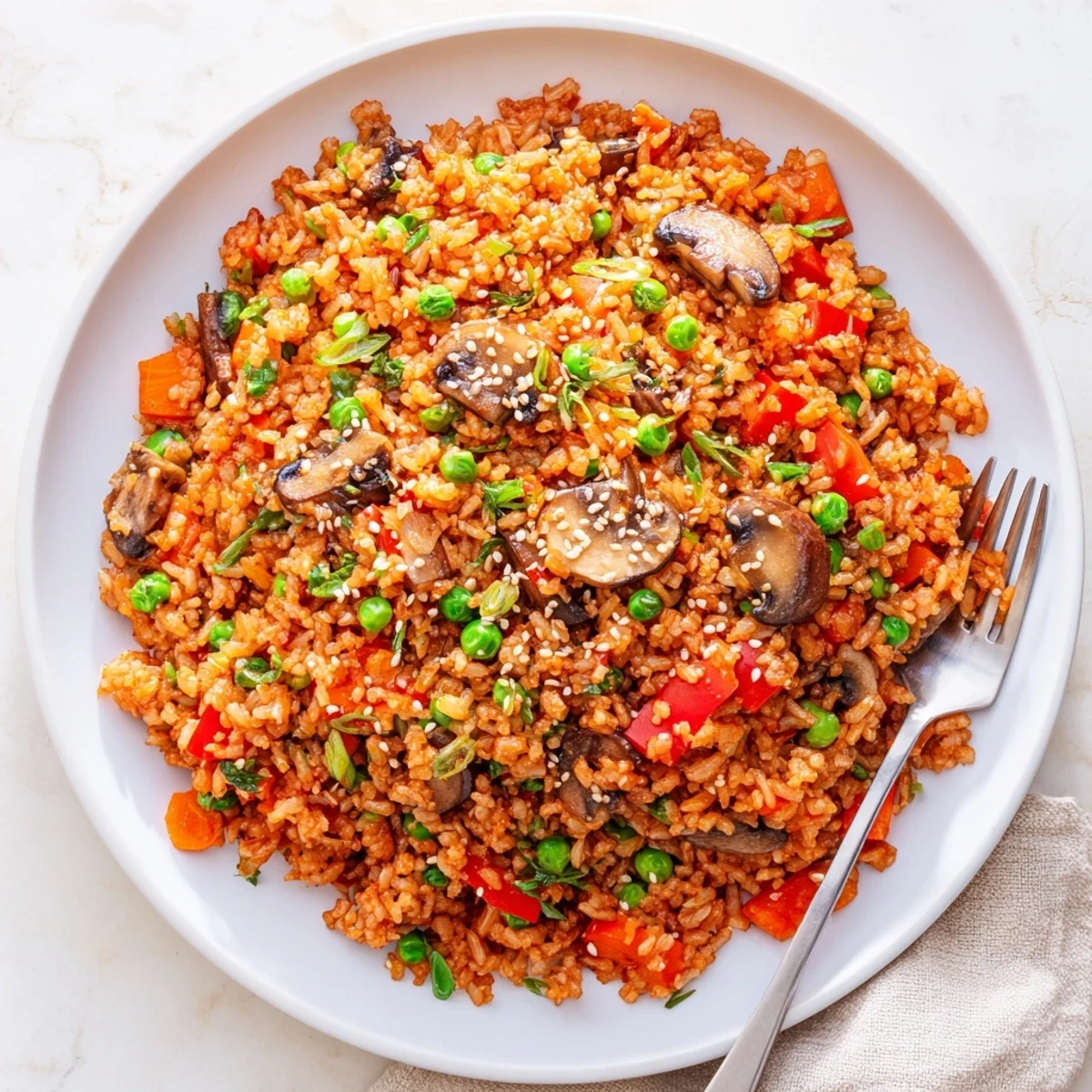
 The night I realized this dish had become a staple was when a friend who firmly believes every meal needs meat went back for a third helping without saying a word about it being vegan.
Making It Your Own
One of the best things about fried rice is how forgiving it is when you want to improvise based on whatever is sitting in your crisper drawer. I have tossed in leftover roasted broccoli, handfuls of baby spinach that wilt down to nothing, and even shredded purple cabbage for a gorgeous color contrast. The sauce is bold enough to handle almost any vegetable you throw at it, so treat this recipe as a reliable template rather than a rigid set of rules.
Boosting the Protein
If you are making this a standalone meal and want something more filling, cubed baked tofu or a generous cup of edamame stirred in at the end works wonders. Pan fried tofu pressed dry and cubed small gets little golden edges that mimic the texture of the rice itself, making every bite satisfying in a way that plain vegetables alone sometimes miss.
Storage and Reheating Wisdom
Leftovers keep beautifully in an airtight container in the fridge for up to three days and honestly I think the flavors deepen overnight as the gochujang continues to marry with the rice. When reheating, a dry skillet over medium heat does a far better job than a microwave because it revives those crispy edges instead of turning everything soft.
- Let the rice come to room temperature before reheating for the most even results.
- A splash of water or extra soy sauce in the pan prevents sticking if the rice has dried out.
- Always taste and adjust seasoning after reheating because cold temperatures mute flavors.
 Save to Pinterest
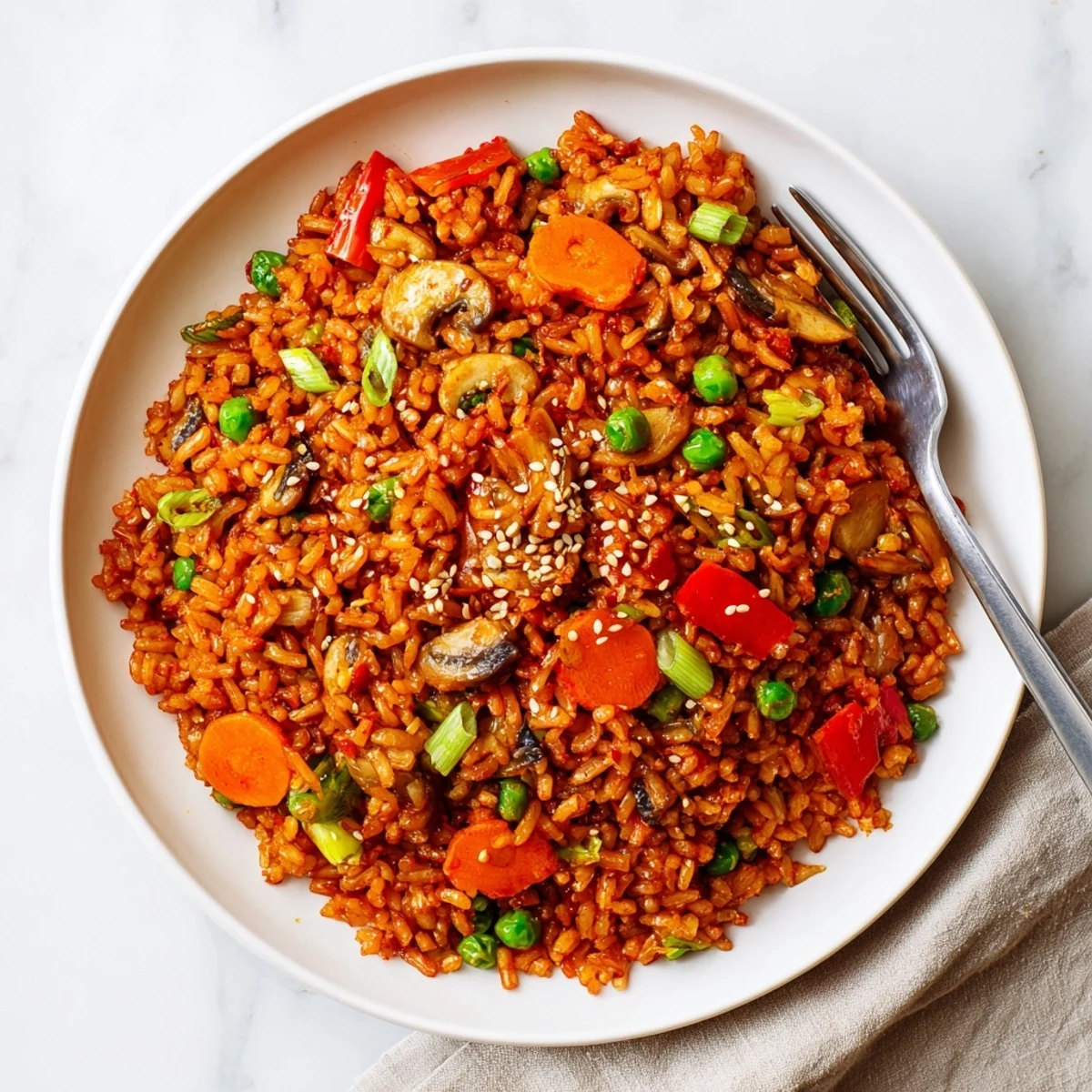
 Keep a batch of this sauce mixed and ready in your fridge and you will always be twenty minutes away from a meal that feels like you tried much harder than you actually did.
Recipe Questions & Answers
- → What is gochujang?
-
Gochujang is a Korean fermented chili paste made from glutinous rice, fermented soybeans, red chili powder, and salt. It adds a unique sweet, spicy, and savory depth to dishes.
- → Why use day-old rice?
-
Day-old rice has less moisture, preventing mushy texture during stir-frying. The grains separate easily and develop crispy edges when cooked over high heat.
- → Can I add protein?
-
Cubed baked tofu, edamame, or tempeh work beautifully. Add them during step 6 when stir-frying the rice to heat through and absorb flavors.
- → How spicy is this dish?
-
Gochujang provides moderate heat. Adjust spiciness by using 2 tablespoons for milder flavor or 4 tablespoons for extra kick.
- → What vegetables work best?
-
Carrots, bell peppers, peas, mushrooms, and green onions provide texture and sweetness. Substitute with broccoli, cabbage, or snap peas based on preference.
- → Is gochujang always vegan?
-
Traditional gochujang is typically vegan, but some brands add fish sauce. Check labels carefully or look for certified vegan versions.