
 Save to Pinterest
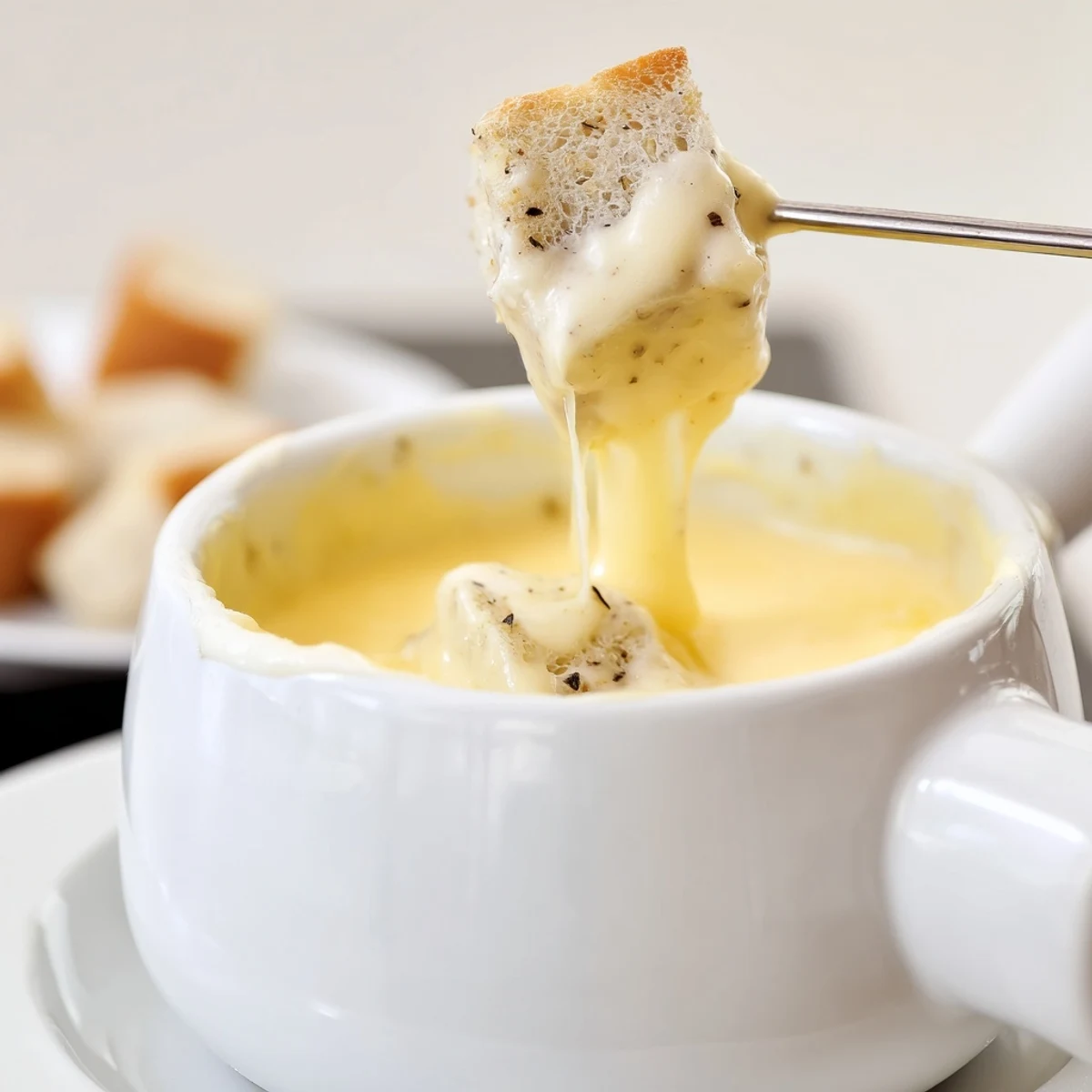
 This Swiss-style melted cheese blend combines Gruyère and Emmental with dry white wine and seasonings. Slowly heated to a smooth, velvety texture, it’s ideal for dipping crusty bread cubes and fresh vegetables. Enhanced with garlic, kirsch, black pepper, and nutmeg, the rich and savory fondue offers a comforting centerpiece for gatherings. Simple preparation and subtle flavor variations like Dijon mustard or paprika allow customization. Serve warm with crisp bread for a cozy, shareable treat.
There's something about watching cheese melt into wine that feels almost alchemical, especially when you're gathering friends around a bubbling pot on a Friday night. I discovered fondue not through a cookbook but through a friend's tiny kitchen in Geneva, where she casually assembled this dish while we talked for hours. The first time I made it at home, I was terrified the cheese would break or seize, but once I understood the rhythm—the gentle heat, the constant stirring, the way cornstarch becomes your secret ally—it became one of my favorite things to create.
I remember bringing this to a winter potluck where half the dishes arrived cold, and the fondue became the unlikely star of the evening. Someone's grandmother pulled me aside afterward to say it reminded her of Switzerland in the 1970s, and that moment made me realize this dish is more than food—it's a conversation starter, a time machine, a reason to linger at the table.
Ingredients
- Gruyère cheese (200 g, grated): The heartland of fondue—nutty, complex, and it melts like silk if you don't rush it.
- Emmental cheese (200 g, grated): Gruyère's creamy counterpart; together they create depth and prevent the fondue from feeling one-dimensional.
- Dry white wine (300 ml): Not a fancy bottle, but something you'd actually drink; it's the foundation that keeps everything emulsified and prevents greasiness.
- Garlic clove (1, halved): A whisper, not a shout; you're seasoning the pot itself, not adding garlic flavor to overpower the cheese.
- Cornstarch (1 tbsp): The unsung hero that prevents your fondue from becoming a broken, oily mess—always mix it into a slurry first.
- Kirsch (2 tbsp, optional): The cherry brandy adds a subtle sweetness and helps bind the cheese; wine works in a pinch, but kirsch is worth seeking out.
- Freshly ground black pepper and nutmeg: Finish with these just before serving; they taste like autumn in a pot.
- Crusty baguette (1 large, cubed into 2 cm pieces): Day-old bread is actually better—it won't soak up wine and fall apart.
- Raw vegetables (optional): Blanched broccoli or cherry tomatoes add freshness and balance the richness if you want them.
Instructions
- Prepare Your Pot:
- Rub the inside of your fondue pot with the cut garlic clove, then decide if you want to fish it out or let it stay for deeper flavor. The pot itself should be heavy-bottomed so heat distributes evenly and nothing scorches.
- Warm the Wine Gently:
- Pour in the white wine and let it heat over medium-low until you see tiny bubbles forming at the bottom. Patience here prevents the cheese from splitting later.
- Make Your Cornstarch Slurry:
- In a small bowl, whisk cornstarch with kirsch (or a splash of wine) until completely smooth with no lumps. This step feels small but it's where so many fondue disasters originate.
- Add Cheese Slowly and Stir Constantly:
- Add the grated cheeses a handful at a time, stirring in a figure-eight motion—it looks silly but it really does help. Each addition should be mostly melted before you add the next, and this should take about 5 minutes total.
- Incorporate the Slurry:
- Pour in your cornstarch mixture while stirring and keep cooking for another minute or two until the fondue thickens slightly and becomes velvety. You'll notice it going from loose to creamy, almost glossy.
- Season and Transfer:
- Grind in black pepper and nutmeg, taste it, and trust your instincts. Transfer the pot to its stand over a low flame and serve immediately with bread cubes nearby.
 Save to Pinterest
 The best night I had with this dish wasn't perfect—my cousin actually double-dipped (the fondue faux pas), someone's bread cube fell into the pot, and we laughed so hard we could barely eat. That's when I realized fondue isn't about following etiquette; it's about the togetherness of standing around a warm pot, taking bites, and being present with people you care about.
The Art of Dipping
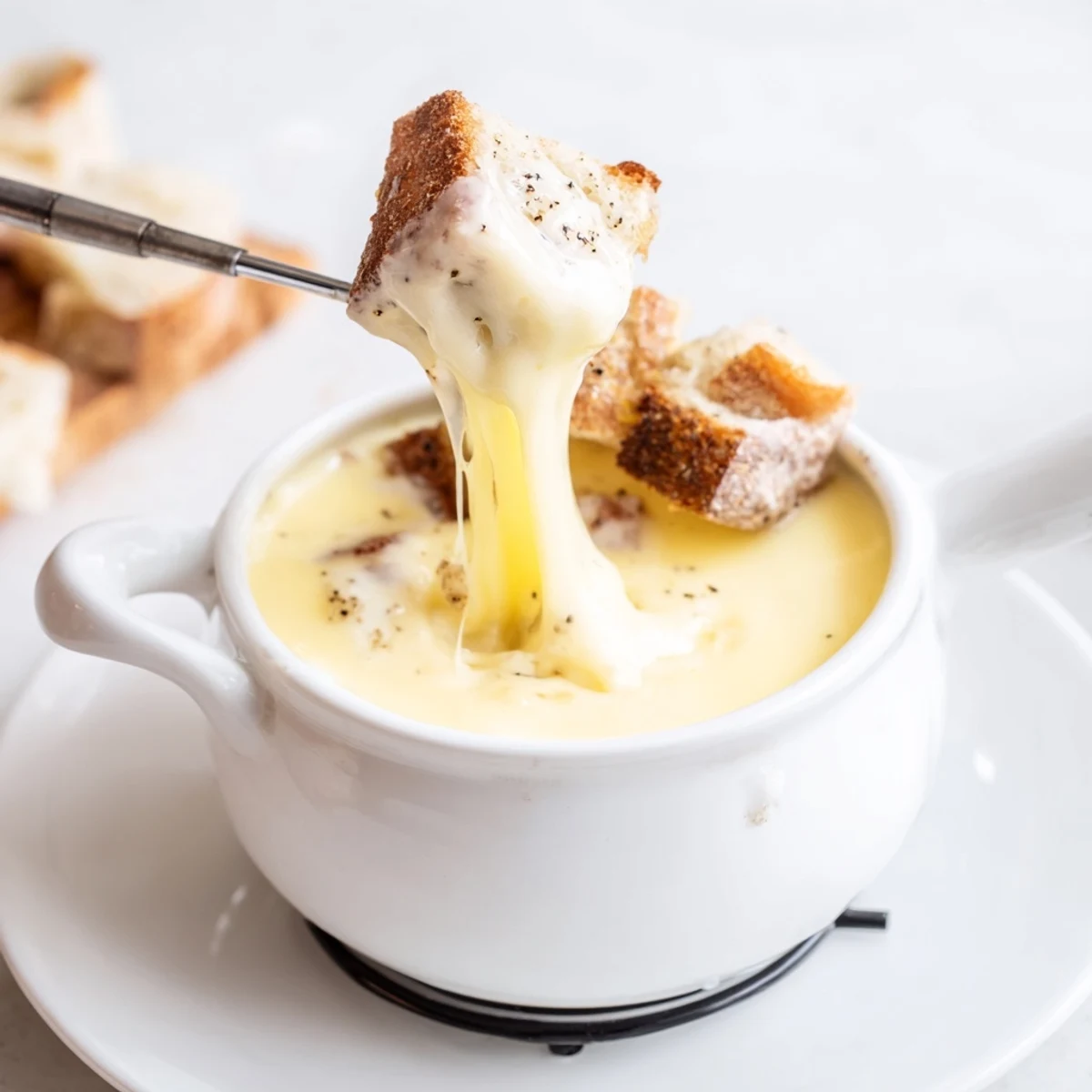
The traditional way involves making figure-eights as you lift bread from the pot, letting the cheese coat and cool slightly as it drips. Don't overthink this—the movement helps distribute heat and looks meditative, which is honestly half the fun. I've found that fresh bread cubes dipped straight down work just fine too; tradition is helpful, but your comfort matters more.
Troubleshooting Your Fondue
If your fondue gets too thick as it cools, warm white wine stirred in slowly brings it back to life. If it looks grainy or broken, you likely added cold cheese or the heat got too high—start over with a fresh pot of wine and add the cheese even more slowly next time. If it's too thin, a touch more cornstarch mixed with wine and stirred in works, though you usually won't need it if you follow the steps.
Making It Your Own
Once you've mastered the classic, experiment with what speaks to you—a pinch of Dijon mustard adds a savory edge, smoked paprika brings warmth, or swapping one cheese for Appenzeller or Comté changes everything about the flavor profile. I've found the best versions are the ones where people feel free to adjust, taste as they go, and make it feel like their own kitchen rather than following orders.
- A splash of apple cider vinegar adds brightness and helps cut through the richness if you prefer lighter flavors.
- Keep the heat low and steady the entire time—fondue respects patience more than any other dish I make.
- Serve with crisp white wine like Sauvignon Blanc alongside, so people can sip and dip in rhythm.
 Save to Pinterest
 Fondue is one of those rare dishes that asks you to slow down and enjoy the moment—not because it's complicated, but because it's built for lingering. Once you master it, you'll find yourself making it on nights when you want to gather people close.
Recipe Questions & Answers
- → What cheeses are best for melting in this dish?
-
Gruyère and Emmental are ideal for smooth melting and rich flavor, offering a classic creamy texture.
- → Can I substitute the white wine for something else?
-
Dry white wine adds acidity and depth; alternatively, a non-alcoholic white grape juice can be used, but it will affect flavor.
- → How do I prevent the cheese from clumping when melted?
-
Gradually add cheese to warm wine, stirring constantly in a figure-eight motion to ensure smooth melting without clumps.
- → What is the role of kirsch in this blend?
-
Kirsch adds subtle cherry brandy notes and helps smooth the texture, but it is optional and can be replaced with a splash of wine.
- → What breads or dippers work best with this dish?
-
Crusty baguette or country loaf cubes are traditional, but raw or blanched vegetables like broccoli and cherry tomatoes also complement well.
- → How can I adjust flavors to suit my taste?
-
A touch of Dijon mustard or paprika can add a tangy or smoky layer to the cheese blend, enhancing its complexity.