
 Save to Pinterest
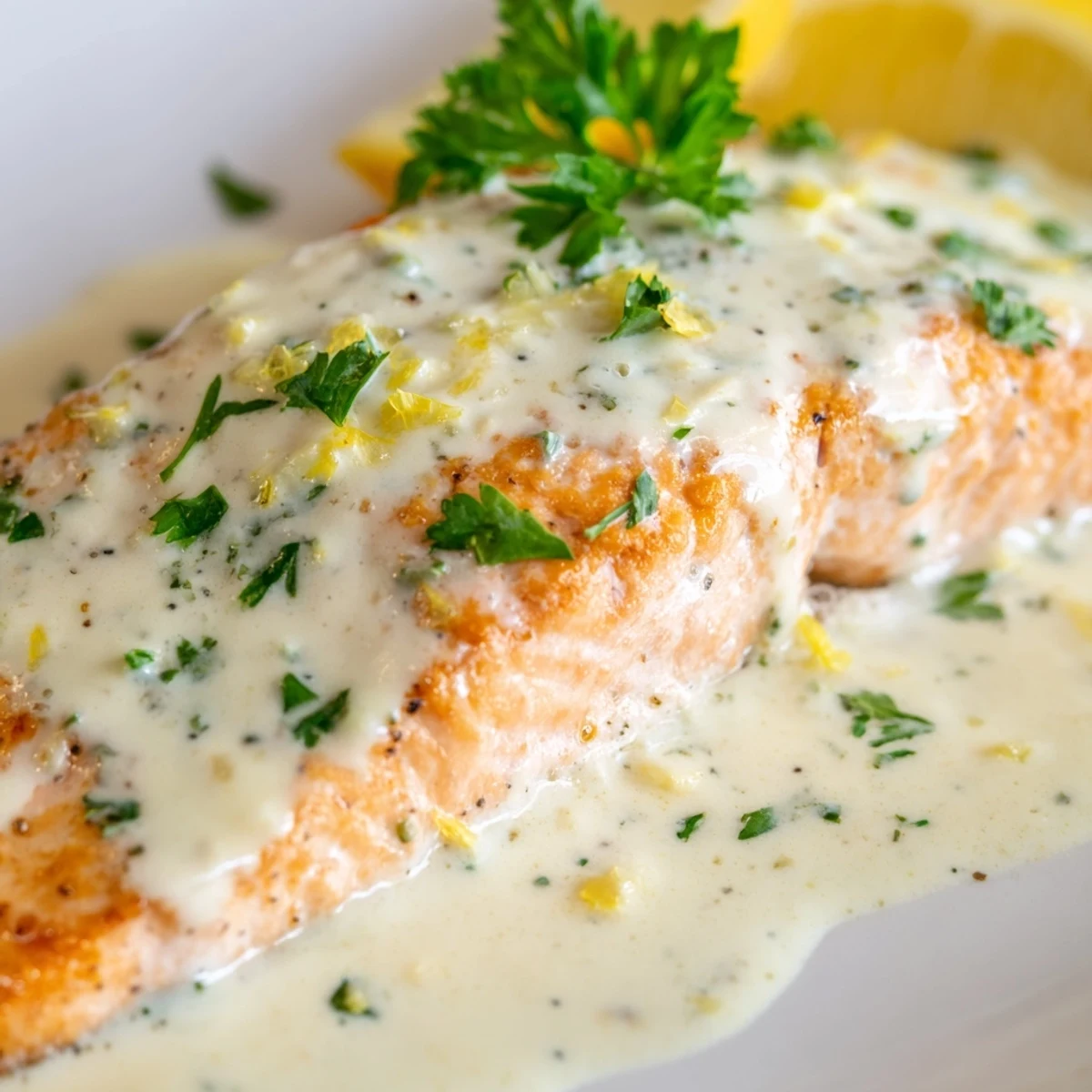
 This elegant yet simple dish features perfectly pan-seared salmon fillets crowned with a vibrant lemon cream sauce. The buttery sauce balances bright citrus notes with rich cream, while garlic and Dijon mustard add depth. Ready in just 30 minutes, it's an impressive dinner that works equally well for casual weeknight meals or special occasions when you want something memorable without spending hours in the kitchen.
The sizzle of salmon hitting a hot pan is one of those sounds that instantly makes a kitchen feel alive, and the moment that lemon cream sauce starts bubbling, you will understand why this recipe has a permanent spot in my weeknight rotation. My neighbor once knocked on my door asking what smelled so incredible, and I ended up inviting her to stay for dinner. That sauce, tangy and silky with just enough richness, turns a simple fillet into something that feels restaurant worthy but takes barely thirty minutes from start to finish.
I started making this on busy Tuesdays when takeout felt like the only option, and it quickly became the meal my family requests most when I ask what they want for dinner. One evening my youngest declared it better than the salmon we had at our favorite waterfront restaurant, which is either a genuine compliment or a very clever negotiation for extra screen time.
Ingredients
- 4 skinless salmon fillets about 170 g each: Try to buy fillets of similar thickness so they cook evenly and you are not guessing which piece is done first.
- 2 tablespoons butter: This forms the velvety base of your sauce, so use a good quality unsalted butter if you can.
- 2 cloves garlic minced: Fresh garlic makes a real difference here since it is one of the few aromatics in the sauce.
- 1 cup heavy cream: The backbone of the sauce, giving it that luscious texture that clings to every bite of salmon.
- Zest of 1 lemon: Do not skip the zest because the aromatic oils are what give the sauce its bright, fragrant punch.
- 2 tablespoons fresh lemon juice: Fresh squeezed only since the bottled version tastes flat and throws off the balance.
- 1 teaspoon Dijon mustard: Just a small amount adds depth and a subtle kick that makes people wonder what your secret is.
- 2 tablespoons fresh parsley chopped: Stirred in at the end for freshness and sprinkled on top for color.
- Salt and freshly ground black pepper to taste: Season in layers starting with the fish and finishing with the sauce.
- 1 tablespoon olive oil for searing: A neutral flavored oil with a high smoke point works perfectly for getting that golden crust.
Instructions
- Prep the salmon:
- Pat the fillets thoroughly dry with paper towels and season both sides generously with salt and pepper, because dry fish sears beautifully while wet fish just steams.
- Sear to golden perfection:
- Heat olive oil in a large nonstick skillet over medium high heat until it shimmers, then lay the salmon in carefully and cook for 4 to 5 minutes per side until you get a gorgeous golden crust and the fish flakes easily with a fork. Transfer to a warm plate and tent loosely with foil.
- Build the sauce foundation:
- Reduce the heat to medium and melt the butter in the same skillet, letting it pick up all those flavorful browned bits the salmon left behind, then sauté the garlic for about a minute until your whole kitchen smells incredible.
- Create the cream sauce:
- Pour in the heavy cream and bring it to a gentle simmer, then stir in the lemon zest, lemon juice, and Dijon mustard, letting it bubble softly for 3 to 4 minutes until it thickens enough to coat the back of a spoon.
- Finish and marry the flavors:
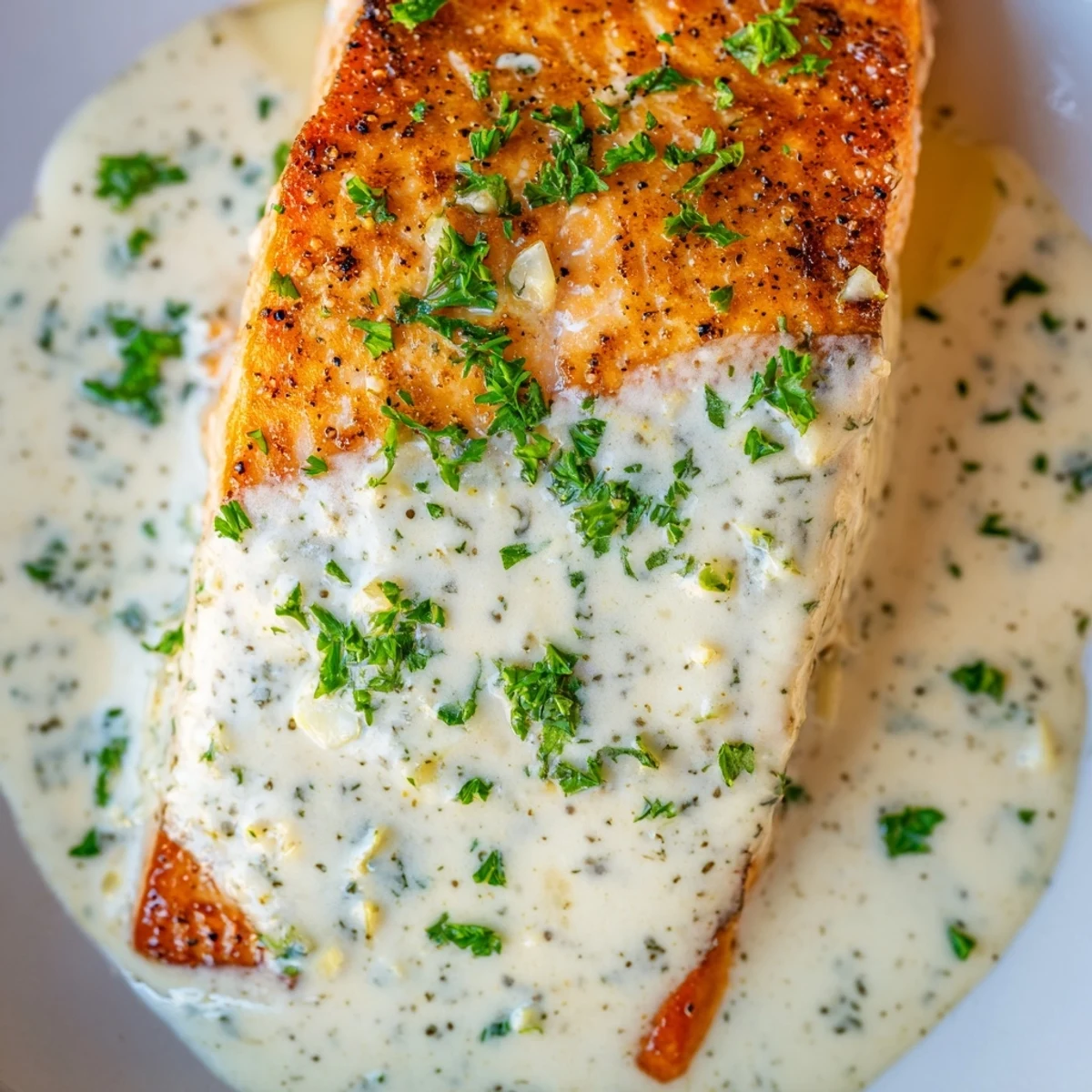
- Stir in the chopped parsley, taste the sauce, and adjust with salt and pepper until it sings, then nestle the salmon back into the pan and spoon the sauce over the fillets for another 2 to 3 minutes so everything comes together.
 Save to Pinterest
 There was a night I made this for a friend who had never cooked salmon at home, and she sat there quietly after the first bite before announcing she was throwing away all her takeout menus. Moments like that remind me why cooking for people is worth every minute spent at the stove.
What to Serve Alongside
This salmon loves simple companions that soak up extra sauce, and steamed green beans or roasted asparagus are my go-to choices for keeping things light. Mashed potatoes or fluffy rice work wonderfully if you want something heartier to catch every last drop of that lemon cream.
Wine Pairing Thoughts
A crisp Sauvignon Blanc is the classic match here, cutting through the richness of the cream while echoing the citrus in the sauce. If you prefer red, a light Pinot Noir will not overpower the fish but still brings enough fruit to stand up to the Dijon.
Making It Your Own
Once you are comfortable with the basic technique, this recipe is wonderfully flexible and rewards experimentation. Try a splash of white wine in the sauce for added depth, or swap the parsley for dill if you want a more Scandinavian feel.
- A pinch of red pepper flakes stirred into the garlic adds a gentle heat that balances the cream beautifully.
- Capers scattered over the finished dish bring a briny pop that pairs surprisingly well with lemon.
- Always taste the sauce before serving because a tiny adjustment of salt or lemon can transform the whole dish.
 Save to Pinterest
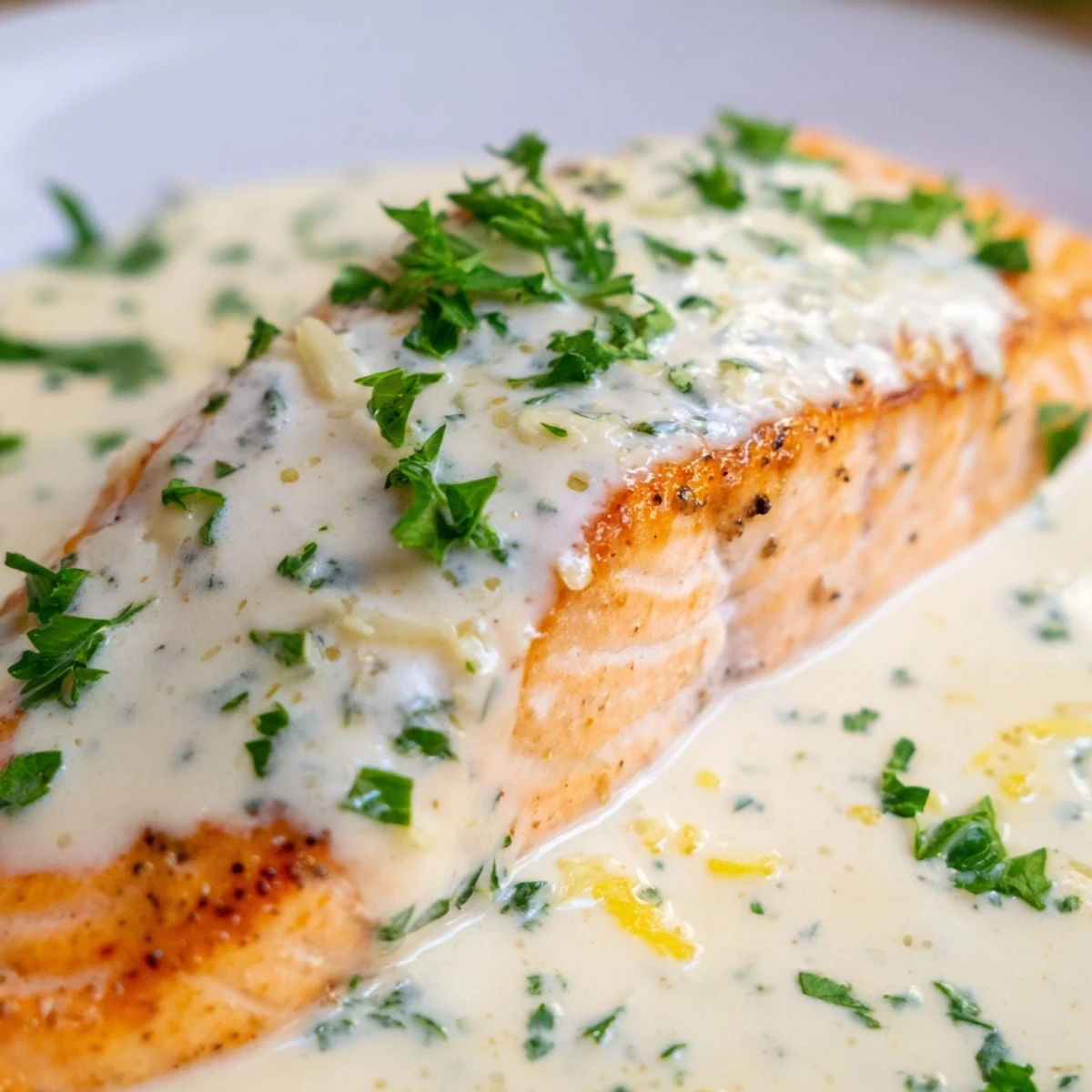
 Keep this recipe close because it will rescue countless evenings when you want something special without the fuss, and everyone at your table will think you spent far longer than thirty minutes making it.
Recipe Questions & Answers
- → How do I know when the salmon is done?
-
The salmon is finished when it flakes easily with a fork and reaches an internal temperature of 145°F (63°C). For medium-rare, aim for 125-130°F internally. The fillets will also turn from translucent to opaque throughout.
- → Can I use frozen salmon fillets?
-
Yes, just thaw them completely in the refrigerator overnight and pat them very dry before searing. Excess moisture prevents proper browning, so thorough drying is essential for that golden crust.
- → What sides pair well with this dish?
-
Steamed asparagus, roasted broccoli, or green beans complement the rich sauce beautifully. For starches, try creamy mashed potatoes, wild rice, or crusty bread to soak up the extra sauce.
- → Can I make the sauce ahead of time?
-
The sauce reheats well, though it may thicken when chilled. Simply warm it gently over low heat, adding a splash of cream or water to reach the desired consistency. It keeps refrigerated for up to 3 days.
- → What other fish work with this sauce?
-
This versatile sauce pairs beautifully with cod, halibut, sea bass, or even pan-seared scallops. Adjust cooking times based on the thickness of your chosen seafood.
- → How can I prevent the cream sauce from curdling?
-
Keep the heat at medium or lower when adding the cream, and avoid boiling vigorously. Stirring constantly and adding the lemon juice gradually while stirring helps maintain a smooth, velvety texture.