
 Save to Pinterest
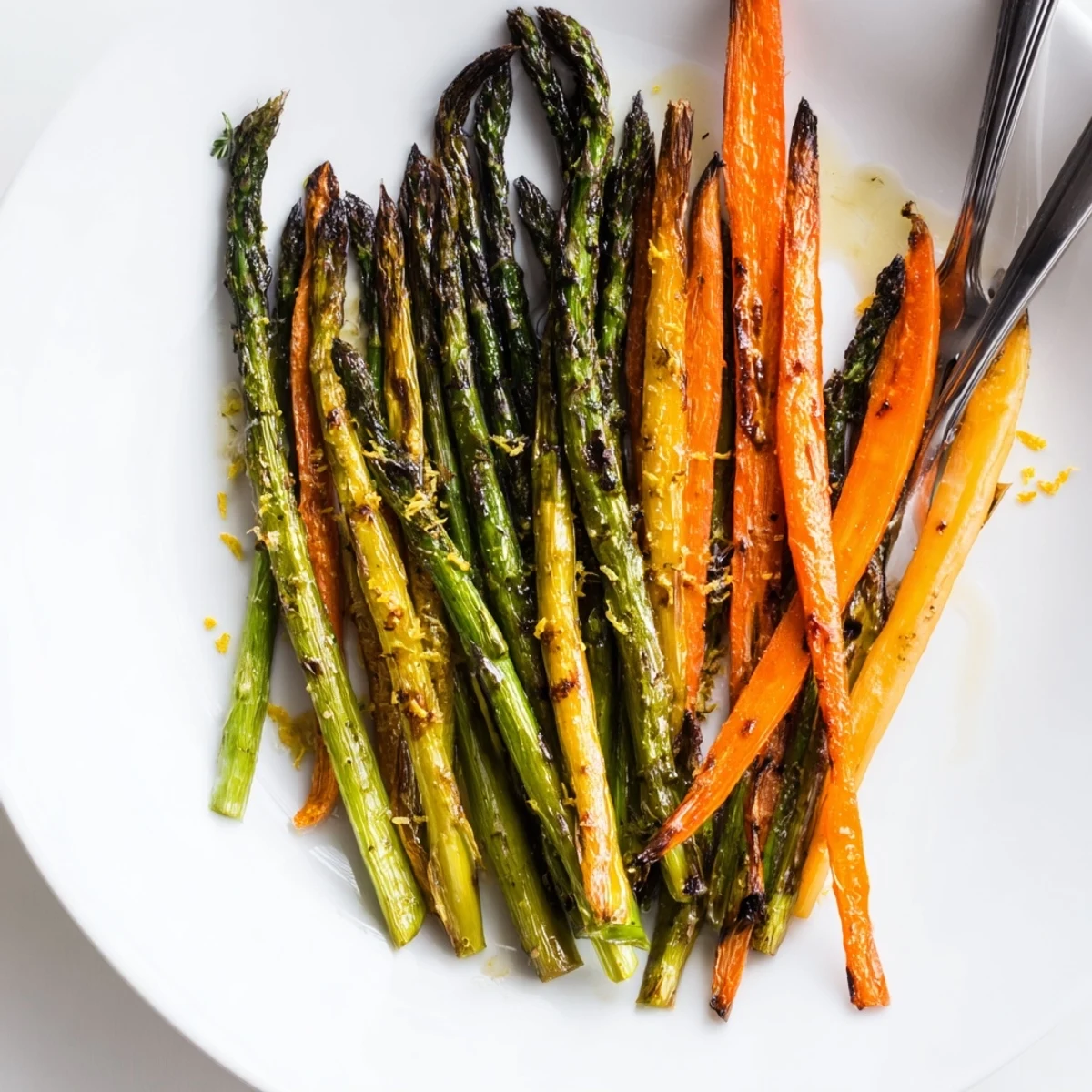
 Roast trimmed asparagus and carrot sticks at 220°C (425°F) until tender and lightly browned, about 20–25 minutes. Toss the vegetables with olive oil, sea salt, pepper and dried thyme before roasting and turn once for even color. Finish immediately with lemon zest and juice for brightness; add Parmesan if desired or omit for a dairy-free version. Serve warm alongside proteins or grains.
There’s a certain joy in hearing crunchy asparagus hit a hot baking tray, especially on evenings when the kitchen windows are flung open and a rush of citrus-scented air mixes with the promise of dinner. I stumbled upon this roasted asparagus and carrots combination during a spring fridge clean-out—what started as a practical solution quickly turned into a ritual. The sizzling sound as olive oil gets to work, the fragrance of lemon zest, and scattered flecks of herbs make the whole space feel alive. Moments like these are why this side has found its way to almost every casual gathering in my home.
Once when friends popped over unexpected, I remembered these veggies lurking in my fridge—I tossed them onto a tray, let the thatch of thyme do the magic, and we stood around the oven munching straight from the pan, too hungry to wait for plates. That night, laughter and lemony fingers left a bigger impression than the main course ever could. I still think of that spontaneous feast whenever I make this dish, the ultimate proof you don’t need much to dazzle.
Ingredients
- Asparagus: Choose spears that snap with freshness—their color should be bright, tips closed tightly. Pro tip: trimming woody ends helps them roast evenly.
- Carrots: I go for big, sturdy carrots for maximum sweet flavor; peeled and cut into sticks so they roast at the same pace as asparagus.
- Olive oil: Don’t skimp here—a generous drizzle ensures caramelized, glistening vegetables.
- Sea salt: Sprinkling just before roasting draws out moisture and amps up flavor.
- Black pepper: Give your grinder a few extra twists for a lovely warming note; fresh is best.
- Dried thyme or Italian herbs: The dried mix perfumes everything and saves time—thyme’s earthy sharpness, in particular, enhances the veggies’ sweetness.
- Lemon zest: Zesting before juicing captures the aromatic oils; it acts as a final flavor spark.
- Lemon juice: Just-squeezed juice cuts through the richness and balances every bite.
- Parmesan cheese (optional): Sometimes I finish with a shower of Parmesan for salty tang; it’s totally fine to skip for a dairy-free version.
Instructions
- Fire Up the Oven:
- Switch your oven to 220C (425F) and line a baking sheet so nothing sticks. I like how the paper rustles as it settles—promise of minimal cleanup.
- Prep the Veggies:
- Spread the asparagus and carrot sticks on the tray without crowding. This step is key for getting those coveted browned edges instead of steaming.
- Season Generously:
- Drizzle olive oil over the vegetables, then sprinkle with salt, pepper, and dried herbs; tumble everything with your hands so every piece gets glossy and speckled.
- Roast to Perfection:
- Slide the tray in and let the oven do its magic for 20 to 25 minutes, turning halfway. Watch for the sizzle and slight caramel color—the smell will tell you when it’s close.
- Lemon Lift & Serve:
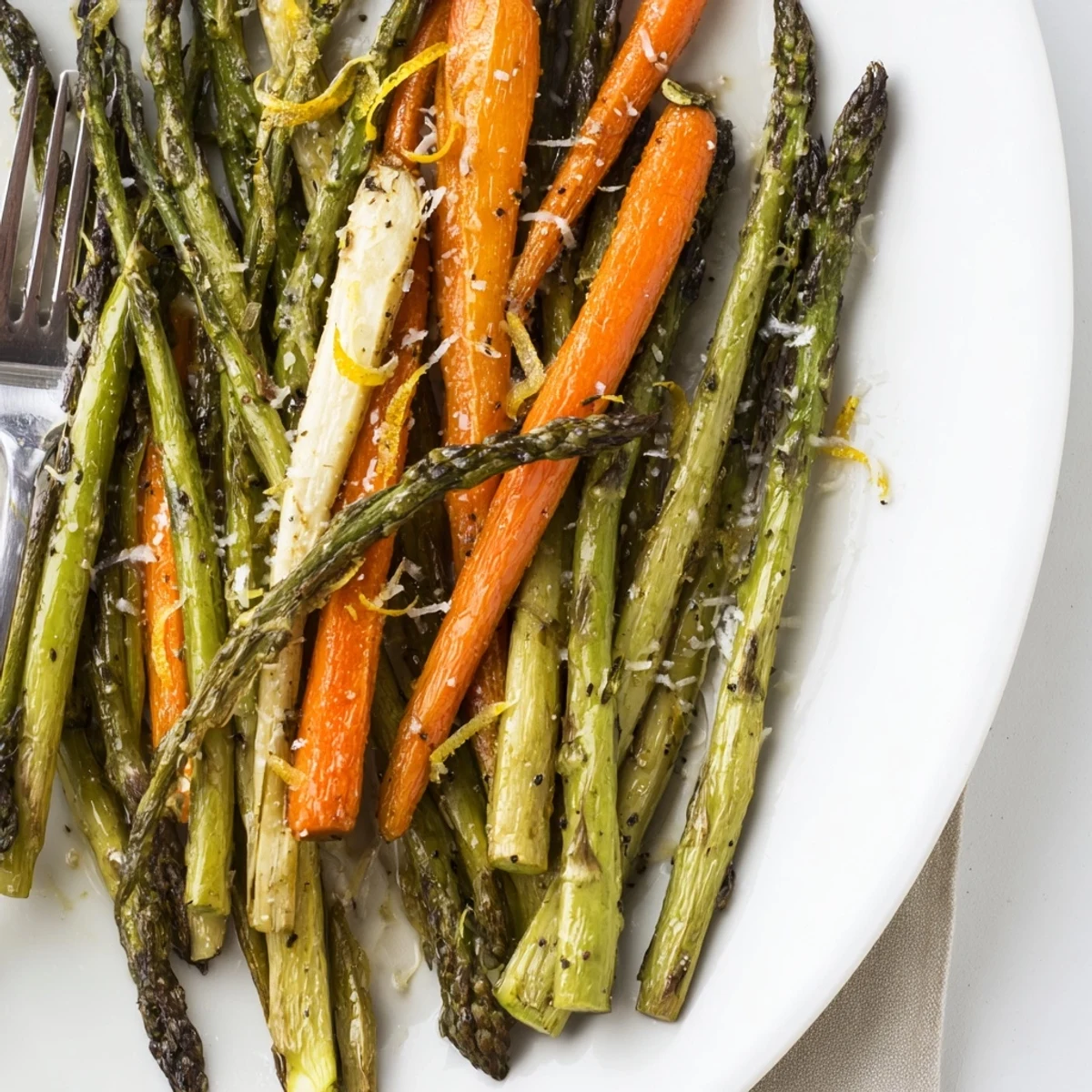
- Right out of the oven, toss with lemon zest and juice while everything’s still piping hot. If you like, top with Parmesan and serve immediately while the flavors are at their brightest.
 Save to Pinterest
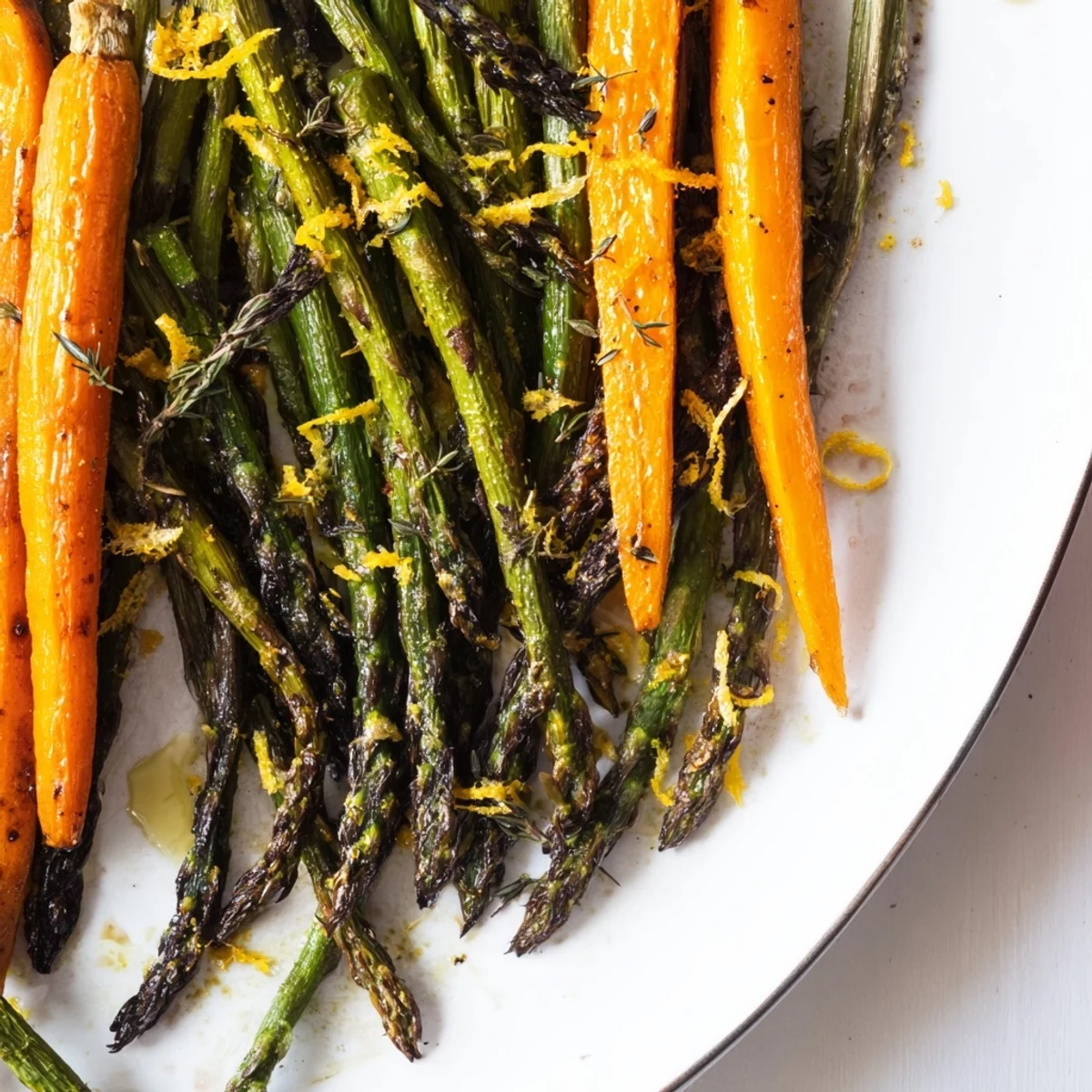
 The moment this recipe took on new meaning was at my daughter’s birthday lunch—she nibbled the caramelized carrots one by one, declaring them "better than cake." It made the whole day feel like a celebration of color and simple pleasures, and now everyone requests this side for their birthdays too.
Making Sheet Pan Roasts Effortless
Lining the tray with parchment turns roasted veggies into an easy clean-up experience, saving frazzled nerves—especially after a weeknight rush. I’ve found that even tossing the veggies directly on the tray works if you don’t mind a little extra scrubbing, but the parchment protects both the vegetables’ caramelization and your patience.
Choosing the Freshest Produce
Local farmer’s markets or even the grocery’s seasonal section often turn up the snappiest asparagus and brightest carrots. If the asparagus bends instead of breaking, it’s probably past its prime; carrots with their greens attached tend to be fresher, too.
Elevating with Simple Twists
Sometimes I shake things up by adding a pinch of garlic before roasting or tossing in a few parsnip or sweet potato sticks. The variations keep things fun and make the whole process feel a little new each time.
- Toss extra vegetables in if you’ve got them; keep an eye on thickness for even roasting.
- Add the lemon zest right at the end so the brightness isn’t lost in the heat.
- Parmesan is optional—skip or swap for a vegan Parm and it’s still just as special.
 Save to Pinterest
 I hope your kitchen fills with the same herby brightness and easy chatter that this dish always brings to mine. May it be the vibrant highlight on your table, whether you’re feeding guests or just yourself tonight.
Recipe Questions & Answers
- → How do I trim asparagus for even cooking?
-
Bend each stalk near the base until it snaps; the natural break separates the woody end. For uniform roasting, line up stalks and trim to the length of the shortest piece so they cook evenly.
- → What size should I cut the carrots?
-
Cut carrots into sticks roughly the same thickness as the asparagus stalks so they cook at the same rate. Thinner sticks caramelize faster; thicker pieces may need a few extra minutes.
- → Can I swap fresh thyme for other herbs?
-
Yes. Dried thyme or Italian herbs work well; for a brighter profile try rosemary or a sprinkle of oregano. Add delicate herbs like parsley after roasting to preserve freshness.
- → How can I get more caramelization on the vegetables?
-
Spread the vegetables in a single layer without overcrowding and use a hot oven (220°C/425°F). Turning once midway and ensuring pieces are dry before oiling helps achieve even browning.
- → Is there a dairy-free finishing option?
-
Skip the Parmesan and toss with extra lemon zest or a drizzle of olive oil. Nutritional yeast also adds a savory, cheesy note for a vegan-friendly finish.
- → How should leftovers be stored and reheated?
-
Cool to room temperature, store in an airtight container in the refrigerator for up to 3 days. Reheat in a hot oven or toaster oven to restore crisp edges; avoid the microwave to prevent sogginess.