
 Save to Pinterest
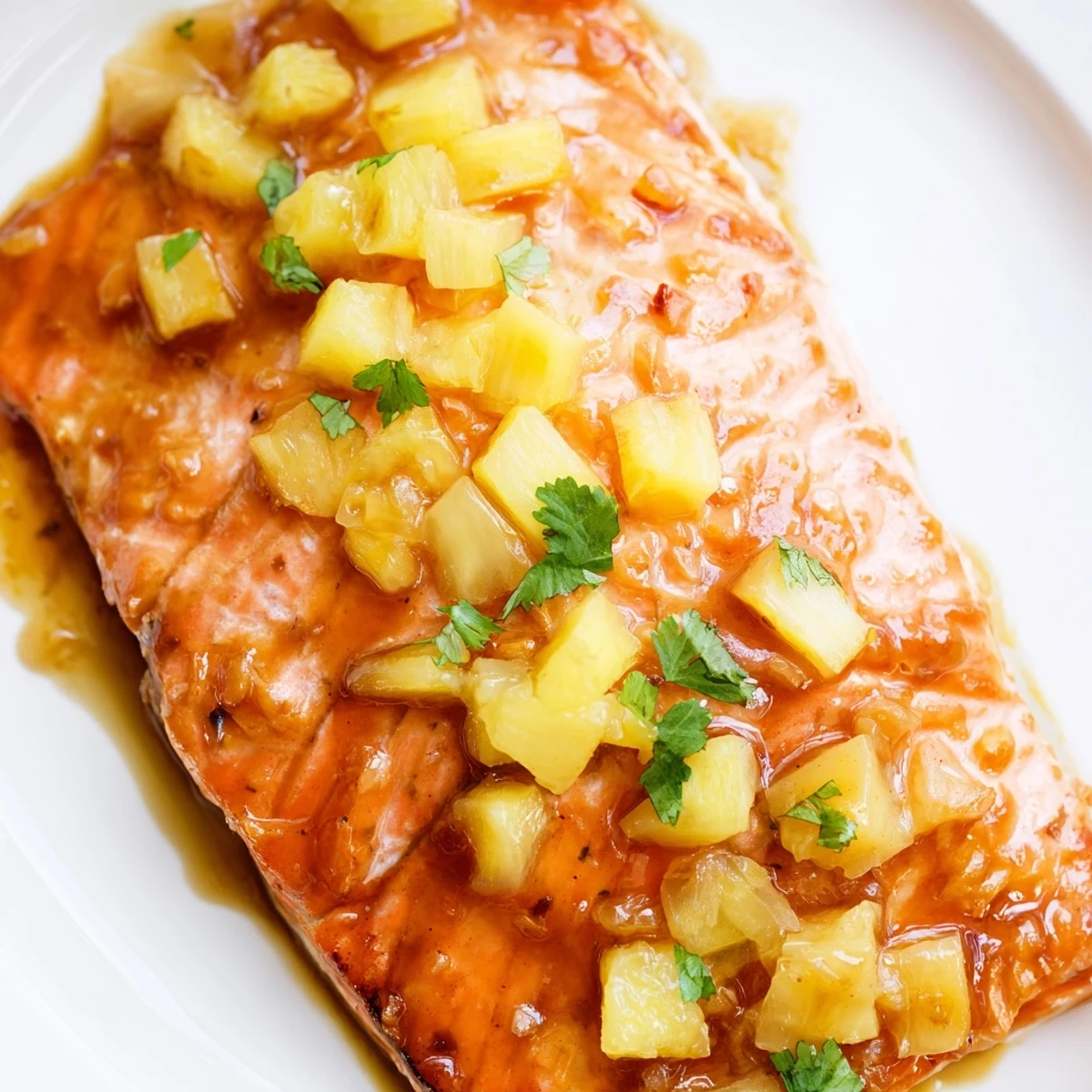
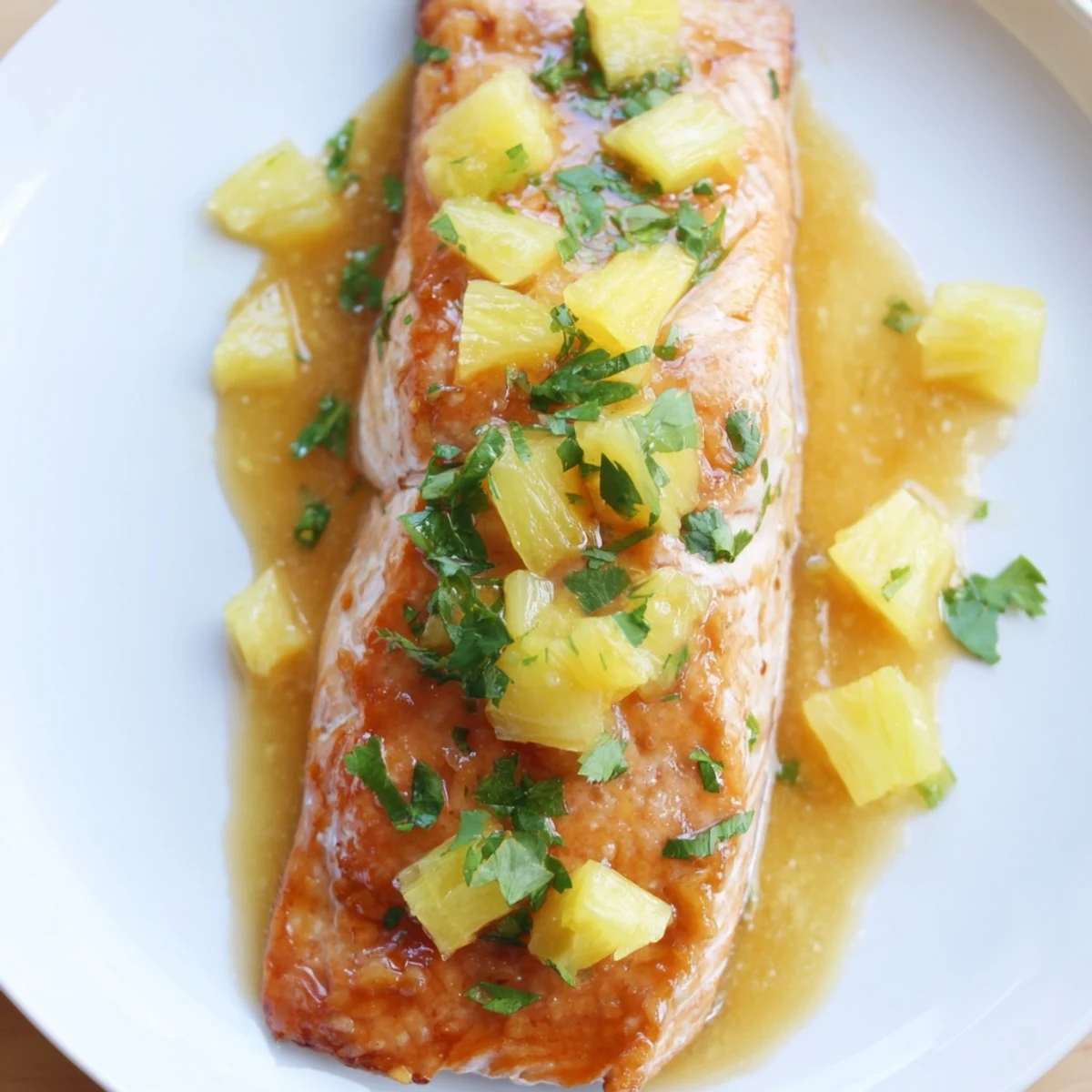
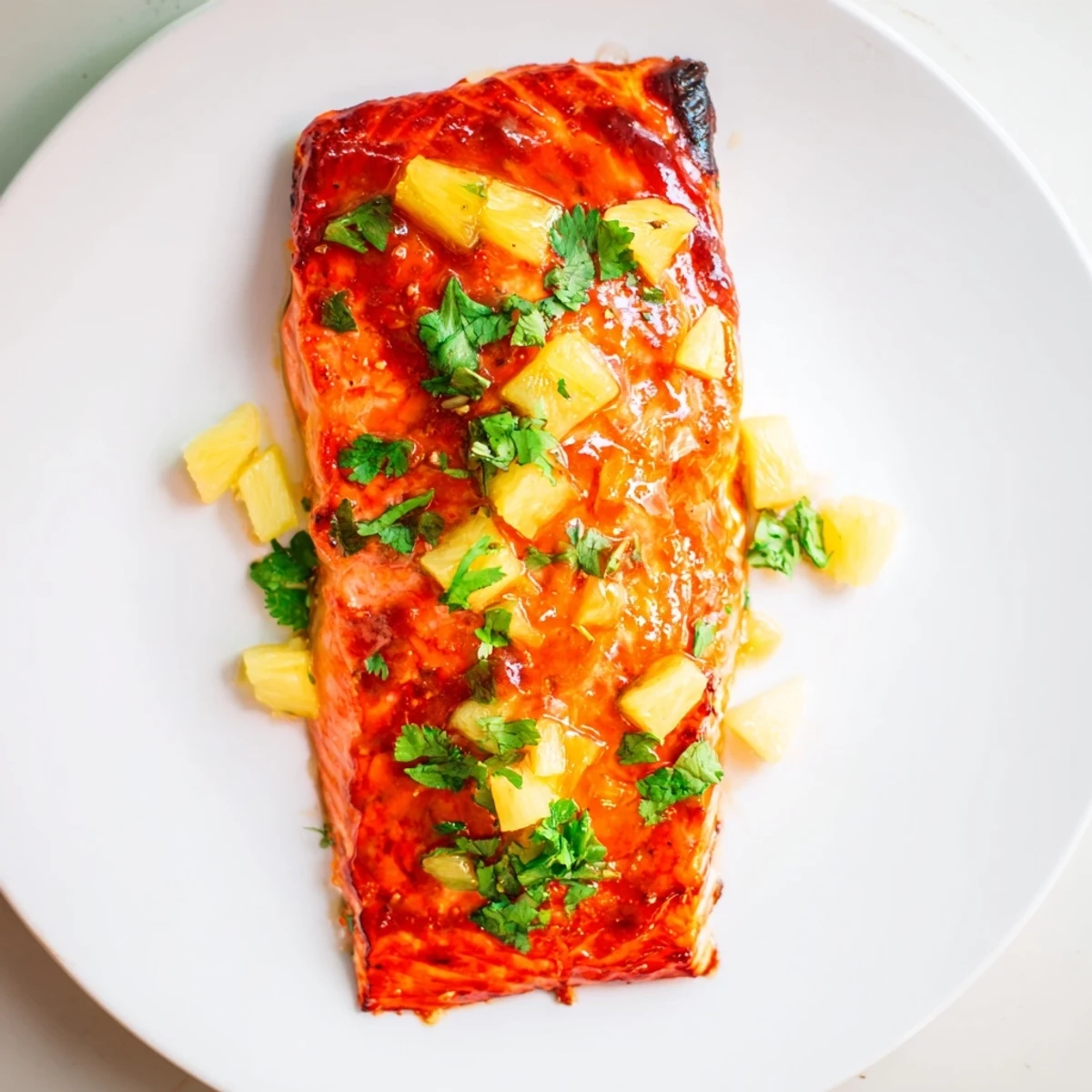
 Enjoy tender salmon fillets coated in a sweet and tangy pineapple glaze, then oven-roasted until flaky and infused with tropical flavors. The glaze, made from pineapple juice, soy sauce, honey, and spices, caramelizes beautifully on the salmon, balancing savory and sweet notes. Garnished with fresh herbs and pineapple chunks, this dish offers a quick, refreshing option for dinners or gatherings. Simple preparation and a short roasting time make it accessible for everyday meals while still impressing guests.
The first time pineapple and salmon shared a pan in my kitchen, it was because I had overbought juice for a brunch that never happened. I stood there staring at the carton, wondering if the acid would wreck the fish entirely. What emerged twenty minutes later was sticky, caramelized, and somehow tasted like a vacation I had not yet taken.
I made this for a friend who claimed she hated sweet fish, watching her face shift from skepticism to the quiet focus of someone plotting their second helping. She left with the recipe scrawled on a paper napkin, which I consider a higher compliment than any online review.
Ingredients
- Salmon fillets: Skin-on holds moisture better during roasting, though skinless works if you prefer less fuss.
- Pineapple juice: Unsweetened lets you control the final sweetness; the glaze reduces dramatically so start subtle.
- Low-sodium soy sauce: Regular soy sauce will oversalt the reduction, a mistake I made once and tasted for hours.
- Honey or brown sugar: Honey gives a floral note, brown sugar deeper molasses warmth.
- Rice vinegar: The acidity balances the sugar; apple cider vinegar substitutes in a pinch but brings more fruit forward.
- Fresh ginger: Powdered ginger tastes dusty here, grate fresh and thank yourself later.
- Garlic: Two cloves minced fine, not pressed, so they melt into the glaze rather than burning.
- Cornstarch slurry: This is your insurance policy against runny glaze that refuses to coat.
- Cilantro or parsley: Optional but the green against orange-pink fish is worth the thirty seconds of chopping.
- Fresh pineapple: Diced small, it adds texture contrast and makes the plate look intentional.
Instructions
- Set the stage:
- Heat your oven to 400°F and line a baking sheet with parchment. The paper catches caramelized drips that would otherwise become your evening's scrubbing project.
- Build the glaze:
- Combine pineapple juice, soy sauce, honey, vinegar, ginger, and garlic in a small saucepan. Bring to a simmer and watch the surface tension change as heat transforms thin liquid into something with body.
- Thicken with intention:
- Stir in the cornstarch slurry and simmer two to three minutes, stirring constantly. The glaze should coat the back of a spoon and leave a clean line when you drag your finger through.
- Glaze and reserve:
- Place salmon on your prepared sheet. Set aside two tablespoons of glaze for finishing, then brush the rest generously over the fish. The reserved portion stays glossy and bright, unbaked.
- Roast to just-done:
- Bake twelve to fifteen minutes until the salmon flakes with gentle pressure but still carries a faint translucency at the center. Overcooked salmon is a tragedy this glaze cannot fix.
- Finish with flourish:
- Brush with reserved glaze, scatter herbs and pineapple if using. Serve immediately while the contrast between hot fish and cool garnish still matters.
 Save to Pinterest
 This dish became my default for apology dinners, the kind where you need to communicate care without words. The way people lean in to smell the glaze before tasting tells me something worked.
Reading Your Glaze
A properly reduced glaze will fall from your spoon in a slow ribbon rather than drops. If it runs like water, keep simmering. If it seizes or becomes tacky, you have gone too far and should start again rather than serve bitter caramel.
Choosing Your Salmon
Center-cut fillets cook most evenly, while tail pieces taper thin and risk overcooking before the thick portion finishes. If your fillets vary wildly in thickness, fold the thin tail under itself to create more uniform height.
Making It Your Own
Once comfortable with the base formula, the glaze accepts modifications gracefully. Add chili flakes for heat, swap lime juice for part of the vinegar, or stir in a spoonful of miso for savory depth.
- Maple syrup works beautifully in autumn when honey feels too floral.
- A pinch of five-spice powder transforms this toward Chinese barbecue territory.
- Leftover glaze keeps refrigerated for one week and revives with gentle warming.
 Save to Pinterest
 Some recipes become signatures without intention, simply because people request them again. This is mine, and I am happy to share it.