
 Save to Pinterest
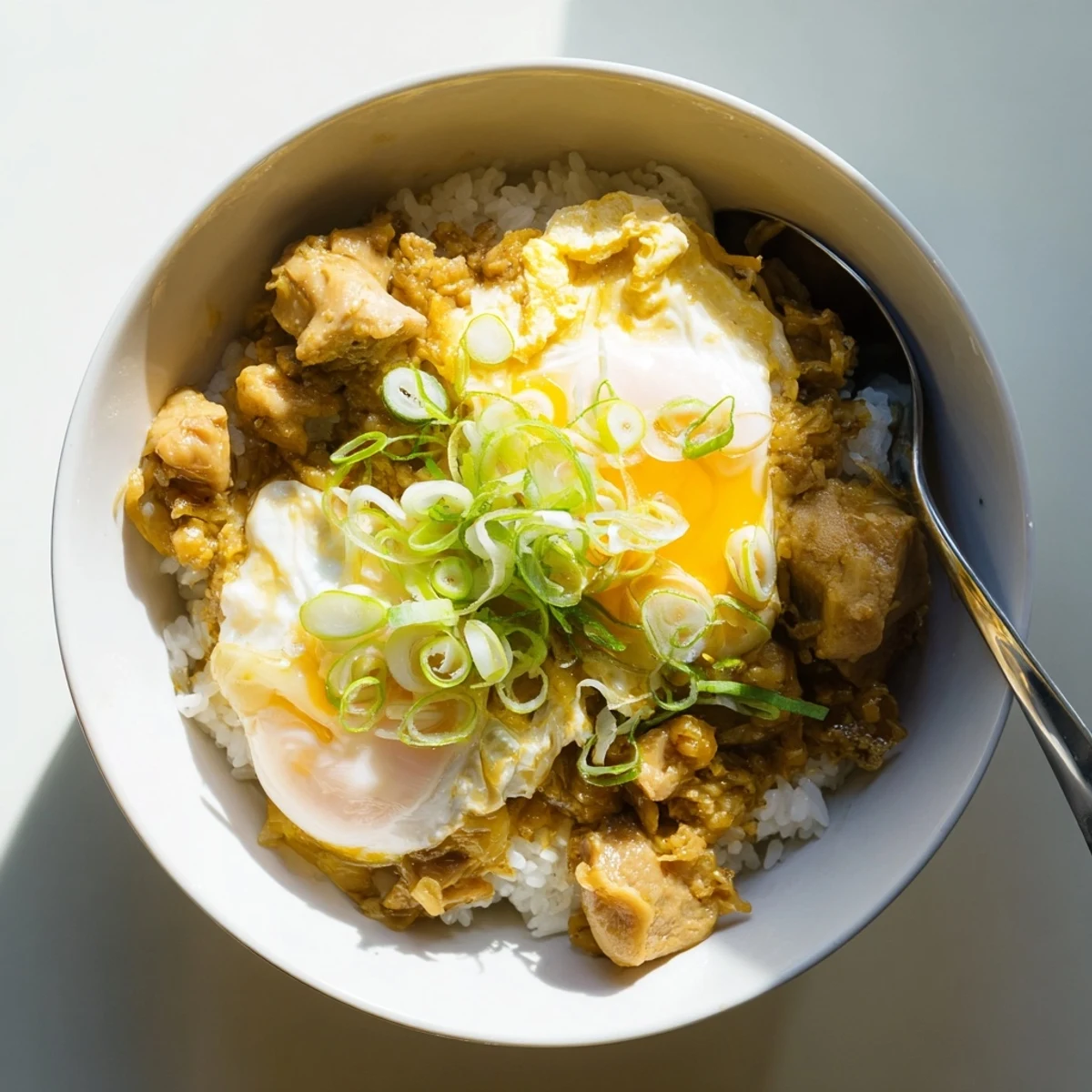
 Oyakodon brings together simple ingredients in perfect harmony. Chicken thighs and onions simmer gently in a balanced dashi-based sauce with soy sauce, mirin, and sake, creating layers of umami flavor. The dish gets its signature texture from barely-set eggs that bind everything together while remaining silky and luxurious.
The magic lies in the timing—eggs added at the very end cook just enough to set but stay wonderfully creamy. Served immediately over hot, fluffy Japanese rice, this dish embodies Japanese home cooking at its finest. The preparation is straightforward: dissolve sugar in your seasoned broth, soften the onions, cook the chicken through, then finish with those dreamy eggs.
Rainy Tuesday evenings in my tiny Tokyo apartment were made for dishes like this. The steam would fog up my kitchen windows while the dashi-soy sauce fragrance drifted through every corner, making even the smallest space feel like home. My neighbor below would always knock when she smelled it simmering, knowing I would likely have extra portions to share.
My first attempt ended with slightly scorched onions because I got distracted by a phone call. Now I treat those few minutes of simmering as sacred time, watching the bubbles rise and fall while the kitchen fills with that incredible umami perfume. The rhythm of Japanese home cooking has taught me more patience than any meditation practice ever could.
Ingredients
- Chicken thighs: Thighs stay juicy and tender during simmering unlike breast meat which can dry out
- Onion: Thinly sliced so they melt into the sauce and become sweet and translucent
- Eggs: The real star here creating that custard like texture that binds everything together
- Dashi stock: The foundation of Japanese cooking though chicken broth works in a pinch
- Soy sauce: Provides that deep savory backbone and beautiful amber color
- Mirin and sake: Essential for that authentic Japanese balance of sweet and savory notes
- Sugar: Just enough to round out the saltiness and complement the onion sweetness
- Spring onions: Fresh finishing touch that cuts through the richness
Instructions
- Prepare your sauce base:
- Whisk together dashi soy sauce mirin sake and sugar until every crystal dissolves completely into the liquid
- Soften the onions:
- Let the onion slices swim in that simmering sauce until they turn translucent and sweet about four minutes
- Cook the chicken through:
- Nestle chicken pieces into the onions cover and let them simmer gently turning once halfway through
- Add the eggs:
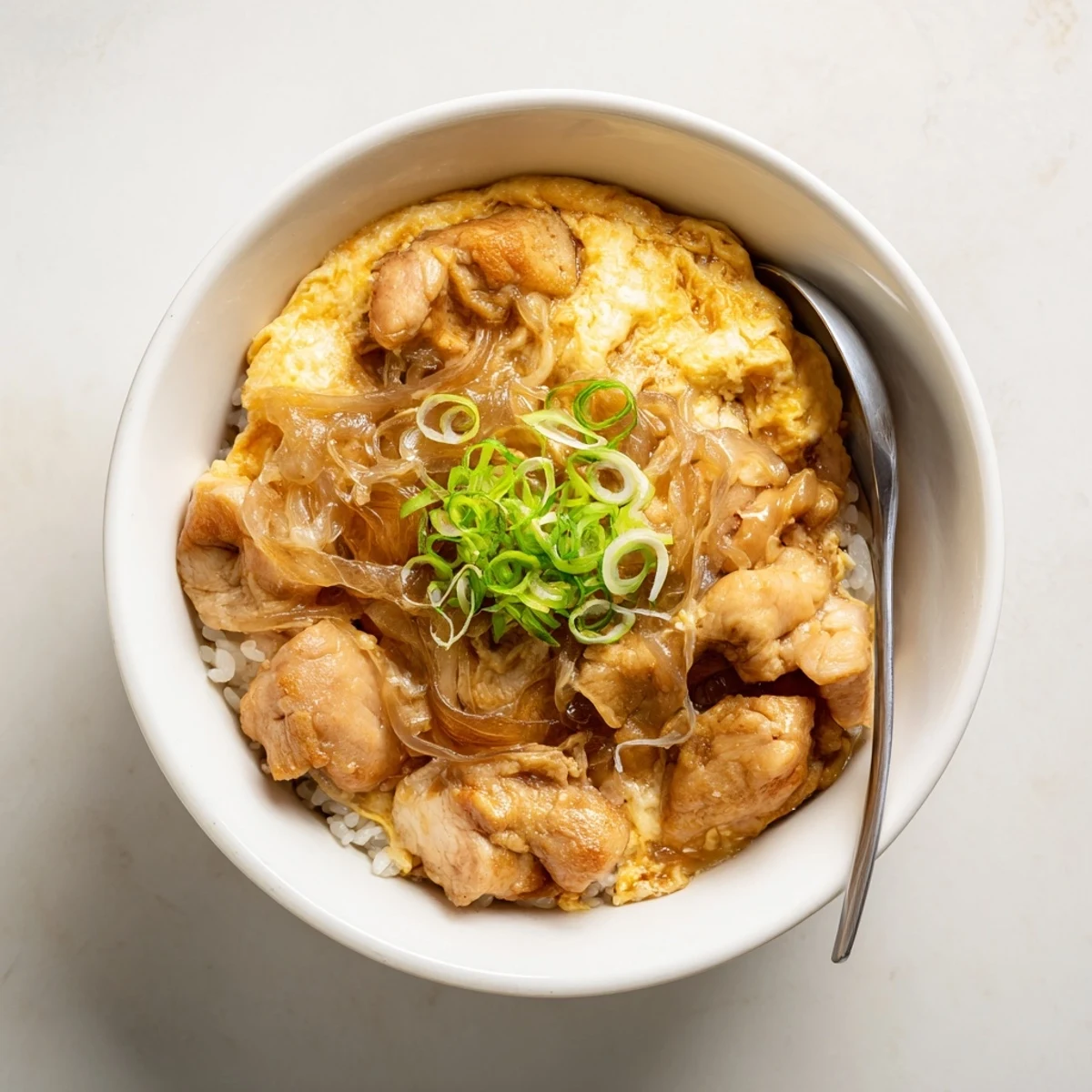
- Drizzle beaten eggs over everything cover immediately and watch for that moment when they set but still look glossy and slightly loose
- Assemble the bowls:
- Scoop hot rice into your favorite bowls then slide that steaming chicken and egg mixture right on top
- Finish with freshness:
- Scatter spring onions over the top while everything is still piping hot
 Save to Pinterest
 This recipe became my go-to comfort meal after I learned how quickly it comes together compared to the depth of flavor it delivers. Now whenever friends visit they inevitably ask when I will make it again.
Making It Your Own
Sometimes I add a handful of spinach or mitsuba leaves during the last minute of cooking for extra color and nutrition. The greens wilt beautifully into that savory sauce without overpowering the delicate balance of flavors.
Rice Matters
Short grain rice is non negotiable here because its slight clinginess helps capture every drop of that precious sauce. Long grain varieties just do not provide the same luxurious mouthfeel that makes oyakodon so satisfying to eat.
Timing Everything Perfectly
I start cooking my rice the moment I begin prepping ingredients so both finish at the same time. There is nothing worse than perfectly cooked chicken and eggs waiting around for rice that is not quite ready.
- Have your serving bowls ready near the stove
- Everything moves fast once those eggs hit the pan
- Serve immediately while the eggs are still glistening
 Save to Pinterest
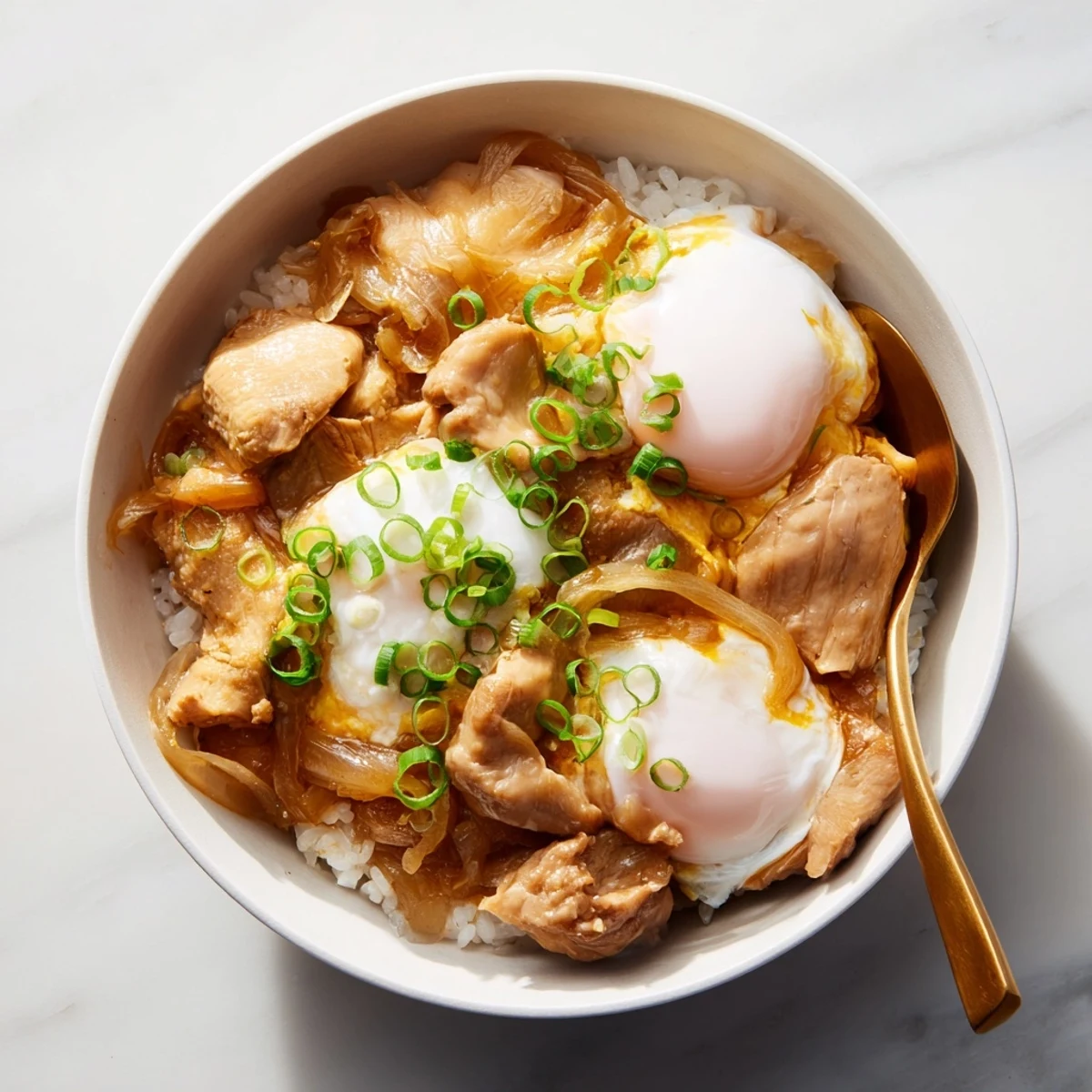
 Some meals feed the body while others feed something deeper and this simple bowl manages to do both beautifully.
Recipe Questions & Answers
- → What does oyakodon mean?
-
Oyakodon translates to "parent-and-child bowl"—a poetic name reflecting the combination of chicken (the parent) and eggs (the child) in one dish. It's a classic donburi (rice bowl) from Japanese cuisine.
- → Can I make this gluten-free?
-
Yes, by substituting regular soy sauce with tamari or a gluten-free soy sauce alternative. Also ensure your dashi stock is gluten-free, as some commercial varieties contain wheat-based additives.
- → Why shouldn't the eggs be fully cooked?
-
The slightly runny texture creates a rich, creamy sauce that coats the rice and binds the ingredients together. Fully cooked eggs become rubbery and lose the luxurious mouthfeel that makes this dish special.
- → What can I substitute for dashi stock?
-
Low-sodium chicken broth works well as a substitute. While it lacks the subtle oceanic notes of dashi, it provides a good savory base. For a closer alternative, try mushroom broth combined with a small piece of kombu (kelp).
- → Can I prepare the components ahead?
-
The sauce can be mixed in advance and stored refrigerated. However, oyakodon is best cooked just before serving—the texture of freshly cooked eggs over hot rice is essential to the experience. Leftovers can be reheated, though the eggs will continue cooking and become firmer.
- → Is chicken thigh necessary or can I use breast?
-
Chicken thighs are traditional because they remain juicy and tender through simmering. Chicken breast works but cooks faster and can become dry if overcooked. If using breast, reduce the initial simmer time by 1-2 minutes and watch carefully.