
 Save to Pinterest
 Create this beloved Japanese beverage in just 20 minutes using simple black tea and Okinawa brown sugar. The roasted sugar provides a deep, caramel-like sweetness that perfectly balances the robust Assam tea. Whole milk adds luxurious creaminess, though oat milk works beautifully for dairy-free versions. Serve immediately over ice for the most refreshing experience, or add tapioca pearls to transform it into bubble tea.
The first time I tried Okinawa milk tea at a tiny café in Kyoto, I sat there for twenty minutes trying to figure out what made it taste so different from every other milk tea I'd ever had. It wasn't just sweet—it had this deep, almost molasses-like richness that lingered. I spent weeks experimenting with different sugars before learning about kokuto, that unrefined brown sugar from Okinawa that transforms everything it touches.
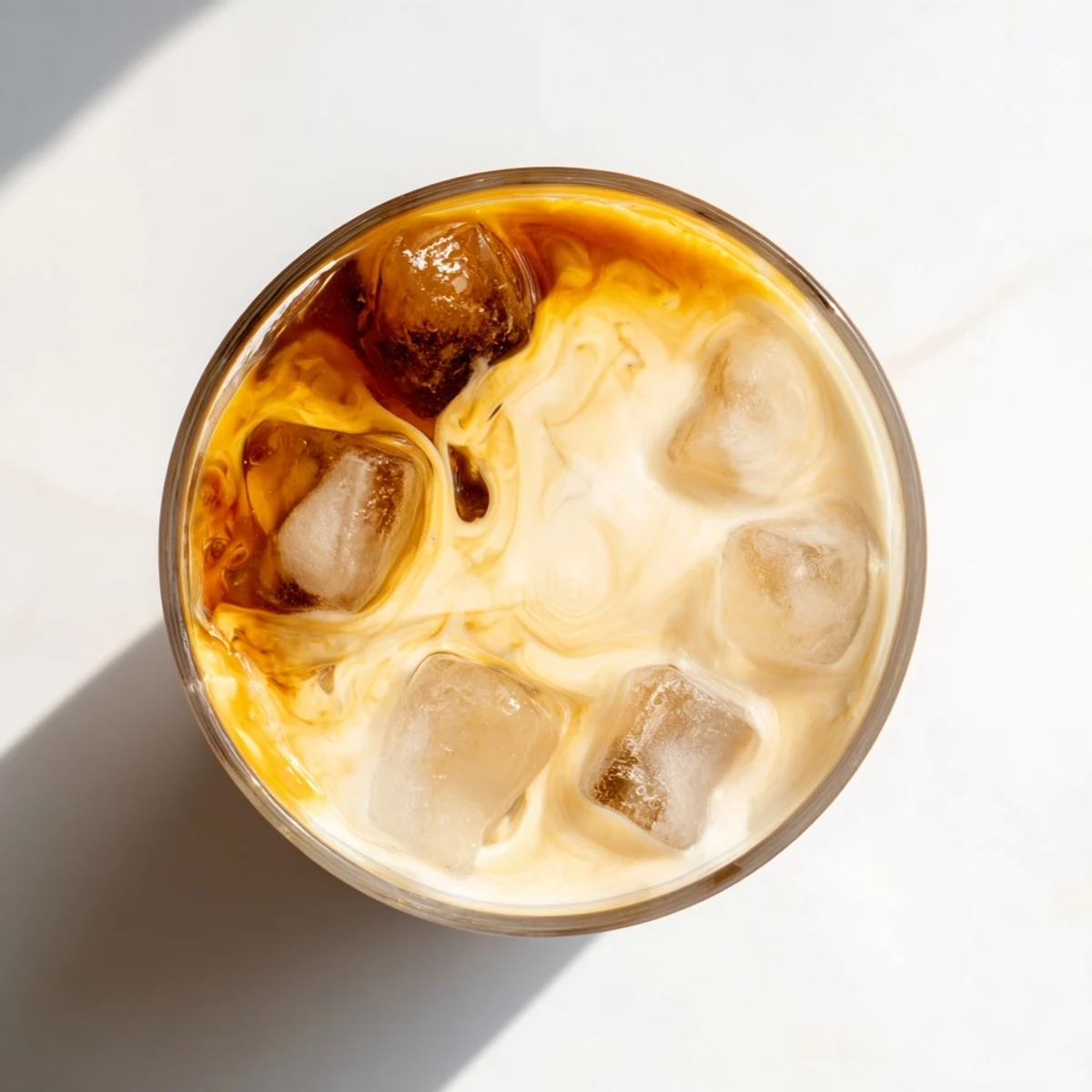
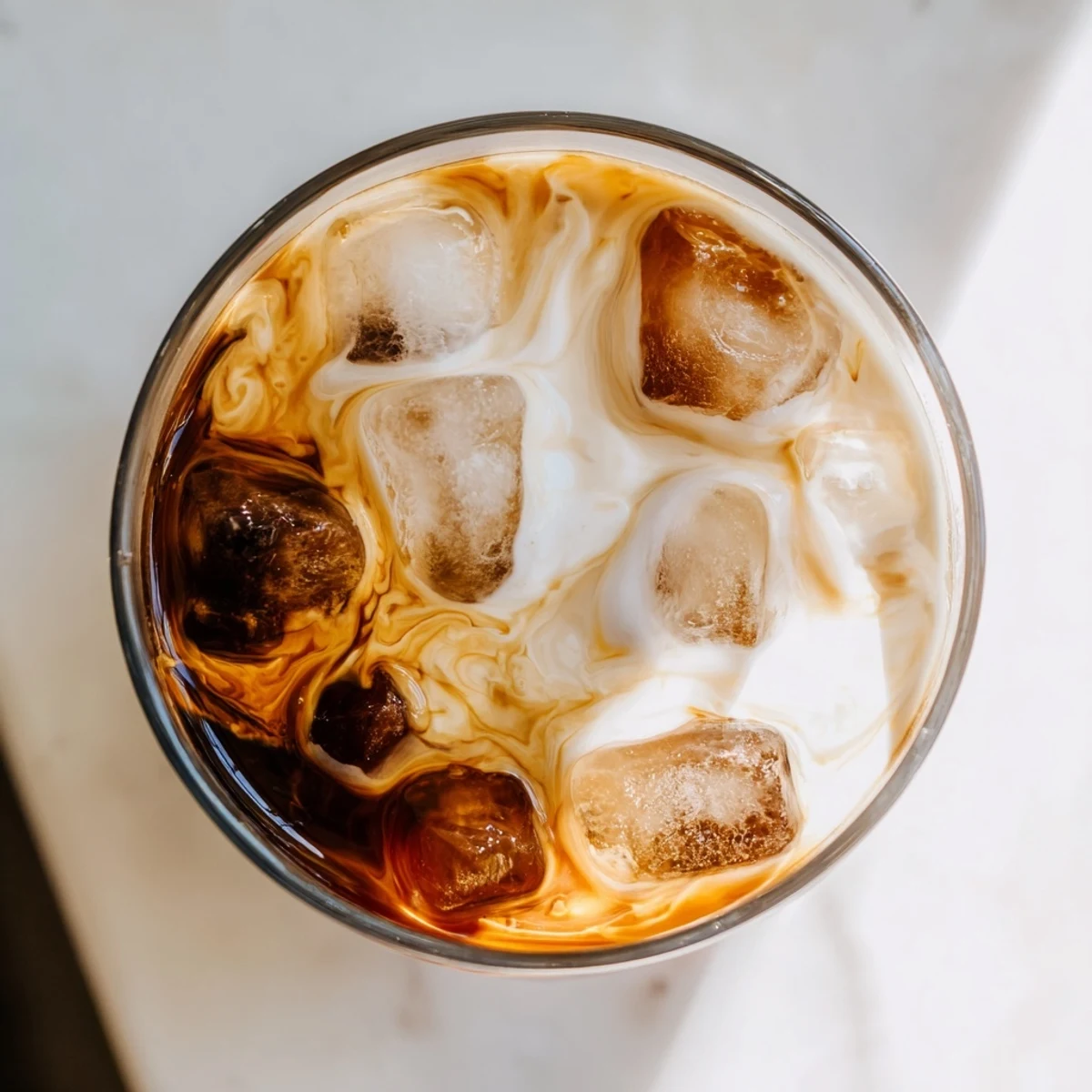
Last summer, my neighbor came over while I was brewing a batch. She smelled that distinct toasted sugar aroma through the open window and showed up on my doorstep with an empty mug, asking what kind of magic I was making in my kitchen. Now we make it together whenever we need an afternoon pick-me-up, and she's the one who taught me to pour it slowly over the ice so you get those pretty swirling patterns as the warm tea meets the cold.
Ingredients
- Water: Use filtered water if you can, since the flavor of the tea base really shines through
- Black tea bags: Assam or Japanese black tea work beautifully—anything robust enough to stand up to the rich sugar
- Okinawa brown sugar: This is the soul of the drink with its mineral rich caramel notes, though dark muscovado can substitute in a pinch
- Whole milk: Creates that silky creamy finish, but oat milk works surprisingly well if you need it dairy free
- Ice cubes: Essential for that cafe style presentation and temperature contrast
Instructions
- Brew the tea base:
- Bring water to a boil, add tea bags, then reduce heat and simmer for 3 to 4 minutes before letting it steep off the heat for another 2 minutes to extract full flavor
- Dissolve the sugar:
- Remove tea bags while the liquid is still hot and stir in the Okinawa brown sugar until it completely melts into the tea
- Warm with milk:
- Add milk and return to low heat for just 1 to 2 minutes, stirring gently—you want it warmed through, not boiled
- Strain and pour:
- Pour through a fine mesh strainer into a heatproof container, then fill glasses with ice and slowly pour the warm tea over them
 Save to Pinterest
 My friend Kyoko told me that in Okinawa, they serve this during the hot humid summers as a way to cool down while still feeling nourished. I love that contrast—something cooling that still has this warming, comforting depth to it. It's become my go-to when I want a treat that feels special but doesn't require any fancy equipment or techniques.
Choosing Your Tea
The strength of your black tea matters here because you're balancing it against both the sugar and the milk. I've found that Assam or Ceylon work best, but honestly any robust breakfast tea will do the job. Just avoid delicate teas like Earl Grey or Darjeeling—they'll get lost in the mix.
The Sugar Difference
Kokuto has these incredible mineral notes from how it's processed in clay pots, which is why it tastes so different from regular brown sugar. If you're using muscovado as a substitute, you might need slightly less since it can be more intense. Taste as you go—that's the real secret.
Make It Your Way
Once you have the base down, this recipe is incredibly forgiving. Add a splash of vanilla extract if you want something even more dessert-like, or toss in some tapioca pearls for bubble tea vibes. The version I make most often skips the extra additions because that pure sugar flavor really is perfect on its own.
- Try it with condensed milk for an ultra-rich version
- A pinch of sea salt enhances the caramel notes
- Double the recipe and keep it in the fridge for up to 2 days
 Save to Pinterest
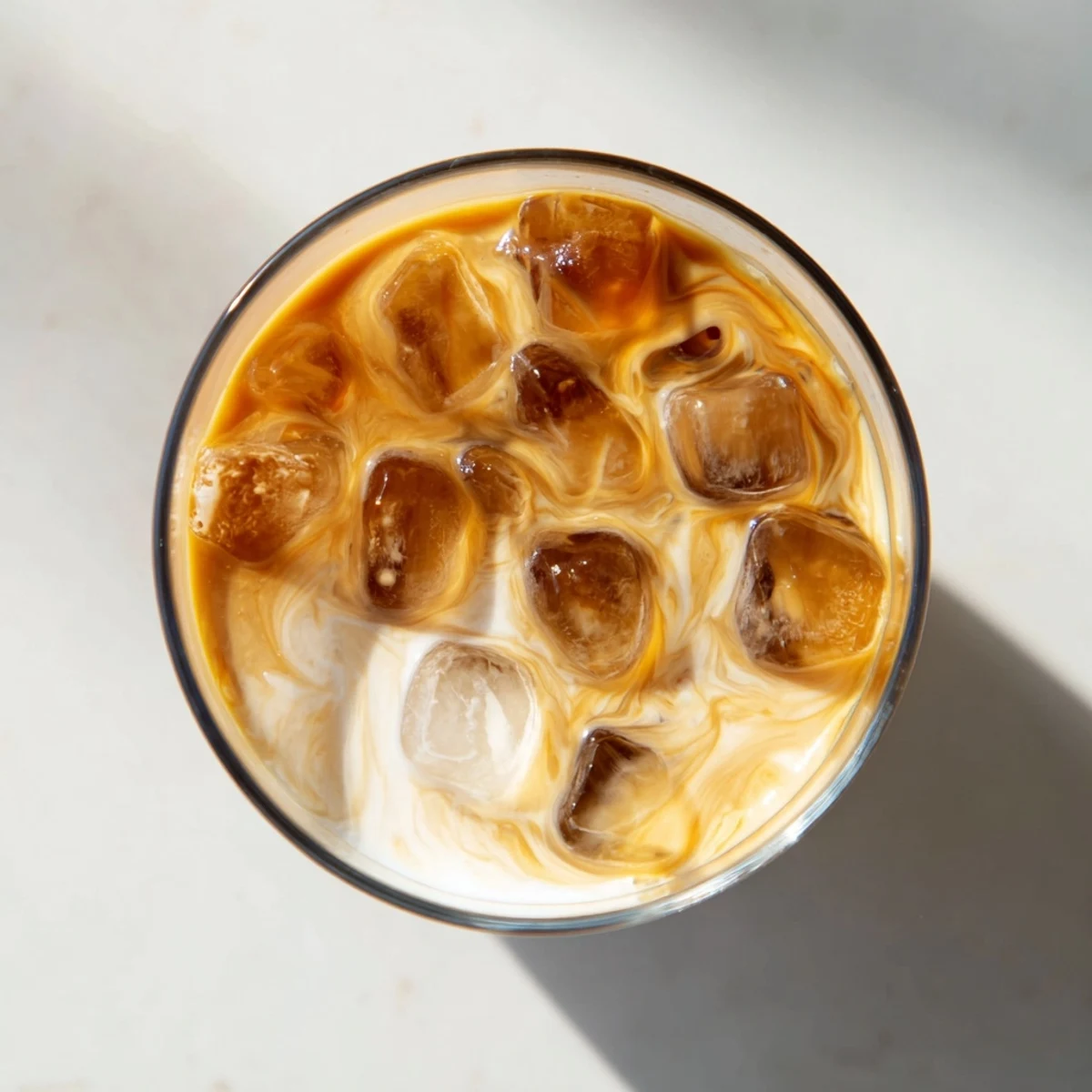
 There's something almost meditative about watching the amber tea swirl over clear ice. It's a simple pleasure, but sometimes those are the ones that stick with us the longest.
Recipe Questions & Answers
- → What makes Okinawa brown sugar special?
-
Okinawa brown sugar, known as kokuto, is unrefined cane sugar from Japan's Okinawa islands. Its unique roasting process creates a deep, complex molasses flavor with notes of caramel and toffee that standard brown sugar cannot replicate.
- → Can I use different tea varieties?
-
Assam or robust Japanese black tea works best for its strong flavor that stands up to the sweet brown sugar. English Breakfast or Ceylon are acceptable substitutes, but delicate green or white teas would be overpowered by the rich sweetness.
- → Is this suitable for vegans?
-
Simply replace the whole milk with oat milk, almond milk, or coconut milk for a completely plant-based version. Oat milk particularly mimics the creamy texture of dairy and complements the caramel notes beautifully.
- → How long does this keep in the refrigerator?
-
For the best flavor and texture, enjoy immediately after preparing. However, you can store the cooled milk tea in an airtight container in the refrigerator for up to 2 days. Give it a good stir before serving over fresh ice.
- → Can I make this warm instead of iced?
-
Absolutely. Skip the ice and serve the warm milk tea directly in mugs after heating through. The warming spices and caramel notes make it particularly comforting during colder months, similar to a Japanese take on hot chocolate.
- → What's the difference between this and regular milk tea?
-
The key distinction is Okinawa brown sugar, which has a more intense, molasses-rich flavor compared to standard sweeteners. This creates a darker, more complex beverage with subtle bitter notes that balance the creaminess.