
 Save to Pinterest
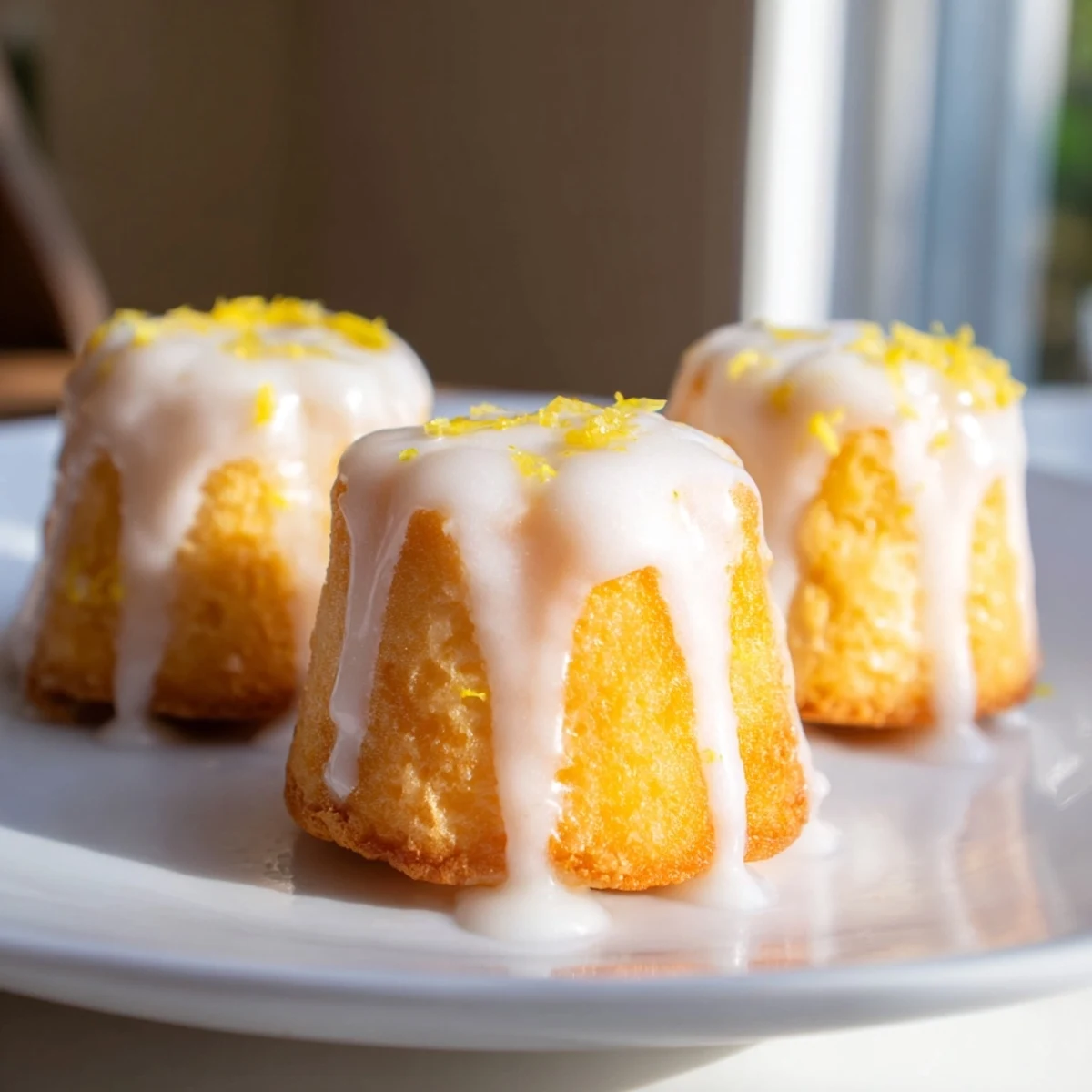
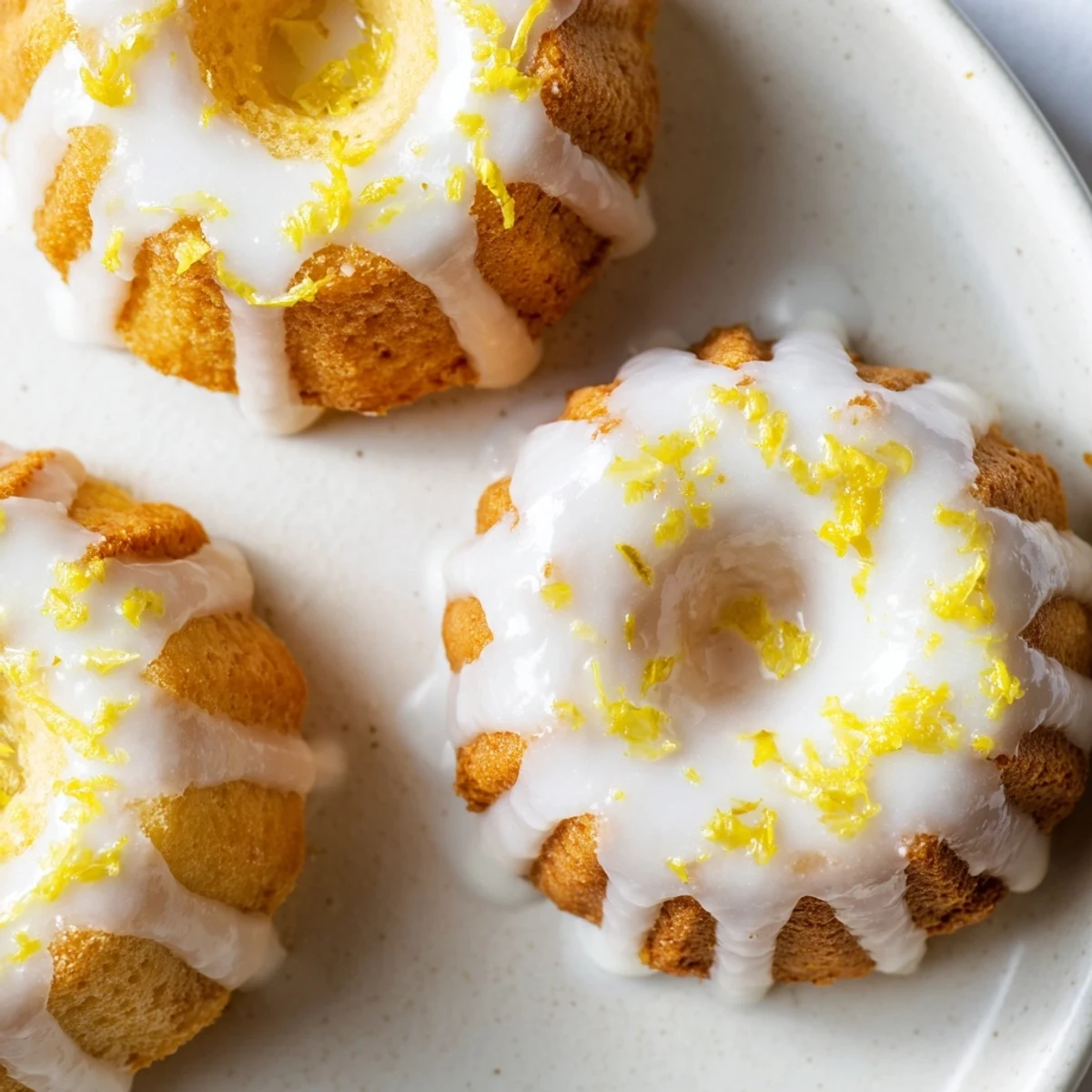
 Create charming bite-sized lemon cakes that deliver bright citrus flavor in every tender bite. These miniature treats feature a moist, delicate crumb infused with fresh lemon zest and juice, topped with a sweet tangy glaze.
Perfect for afternoon tea, brunch spreads, or special celebrations, each little cake offers the ideal balance of sweet and tart. The simple creaming method ensures consistent results, while the optional poppy seed addition adds lovely texture and visual appeal.
Store these beautiful desserts at room temperature for up to three days, though their irresistible flavor means they rarely last that long. Pair with Earl Grey tea or chilled Moscato for an elegant finishing touch.
The smell of fresh lemon zest always reminds me of my grandmother's tiny kitchen, where sunlight streamed through the window above her sink and dust motes danced in the air while she baked. She taught me that lemon desserts possess this magical quality of feeling both elegant and comforting simultaneously, like wearing your favorite dress with fuzzy socks.
I made these for my friend Sarah's baby shower last spring, and watching the guests' faces light up when they took that first bright, tangy bite was absolutely priceless. Three people asked for the recipe before they even finished their first cake, which is always the best compliment a baker can receive.
Ingredients
- All-purpose flour: The backbone that gives these cakes structure while keeping them tender and light.
- Baking powder and baking soda: Together they create the perfect lift for delicate mini cakes that rise beautifully.
- Salt: Just enough to enhance the lemon's brightness without making the cakes taste salty.
- Unsalted butter: Softened to room temperature so it incorporates perfectly, creating that moist, velvety crumb.
- Granulated sugar: Sweetens the cakes while allowing the lemon flavor to shine through.
- Large eggs: Bring richness and structure, and they must be at room temperature to emulsify properly with the butter.
- Pure vanilla extract: Rounds out the sharp lemon notes with warm, comforting undertones.
- Lemon zest: The absolute star of the show, containing all those fragrant citrus oils that make these cakes sing.
- Fresh lemon juice: Adds tanginess and reacts with the baking soda for extra lift.
- Whole milk: Creates the perfect batter consistency and adds tenderness.
- Powdered sugar: Dissolves beautifully into a smooth glaze that blankets each cake in sweet perfection.
- Extra lemon juice for glaze: Thin the powdered sugar just enough for that gorgeous pourable consistency.
Instructions
- Get your oven ready:
- Preheat to 350°F and generously grease your mini bundt pan or muffin tin with butter, getting into all those little nooks and crannies so nothing sticks.
- Whisk the dry ingredients:
- In a medium bowl, combine flour, baking powder, baking soda, and salt until well incorporated, using a whisk to aerate everything.
- Cream the butter and sugar:
- Beat butter and sugar in a large bowl for 2-3 minutes until it's pale, fluffy, and looks like tiny clouds formed in your mixer.
- Add the eggs and flavor:
- Add eggs one at a time, beating completely after each one, then stir in vanilla and that beautiful lemon zest until the mixture smells like sunshine.
- Combine everything gently:
- Alternate adding flour mixture and milk to your butter mixture, starting and ending with flour, then fold in the lemon juice just until combined.
- Fill your pan:
- Divide batter evenly among the cups, filling each about three-quarters full, and use a cookie scoop for consistent portions.
- Bake to golden perfection:
- Bake for 16-18 minutes until a toothpick comes out clean, then let them cool in the pan for 10 minutes before turning onto a wire rack.
- Make the glaze:
- Whisk powdered sugar with lemon juice until smooth and pourable, then generously drizzle over completely cooled cakes.
 Save to Pinterest
 These have become my go-to when I need to bring something to a gathering because they travel beautifully and always disappear within minutes. Something about individual servings makes people feel special, like you made each one just for them.
Making These Ahead
You can bake the cakes a day in advance and store them in an airtight container at room temperature, but wait to glaze them until right before serving. The glaze keeps them moist, but if applied too early, it can start to dissolve into the cake and you lose that beautiful contrast between the tender crumb and sweet topping.
Perfect Lemon Zest
When zesting your lemons, be careful to avoid the white pith underneath, which can make your cakes bitter. Use a microplane or fine grater and gently run the lemon across it, rotating as you go, to capture only the bright yellow outer layer. Two whole lemons should give you plenty of fragrant zest for both the batter and that aromatic first whiff when you open the oven door.
Serving Suggestions
These mini cakes shine brightest when served alongside something that complements their bright citrus notes. I love arranging them on a pretty cake stand with fresh lemon slices and maybe a few mint leaves scattered around for color.
- A cup of Earl Grey tea brings out the floral notes in the lemon.
- Chilled Moscato creates a lovely sweet contrast to the tart glaze.
- They are perfect for bridal or baby showers where finger foods reign supreme.
 Save to Pinterest
 There is something universally joyful about a lemon dessert, like edible sunshine that brightens even the gloomiest afternoon. I hope these little cakes bring as much brightness to your kitchen as they have to mine.
Recipe Questions & Answers
- → Why add both lemon zest and juice?
-
Lemon zest provides intense aromatic oils that carry bright floral notes, while juice delivers tangy acidity. This combination creates layered citrus depth throughout the tender crumb rather than just surface flavor.
- → Can these be made ahead?
-
Bake these miniature treats up to two days before serving. Store unfrosted in an airtight container, then add the glaze shortly before serving. The cakes stay remarkably moist, making them ideal for advance preparation.
- → What if I don't have a mini bundt pan?
-
Standard muffin tins work beautifully for these individual cakes. Simply adjust the baking time slightly—check for doneness around 14-16 minutes. The shape change doesn't affect the moist, tender texture or delicious flavor.
- → How do I prevent overbaking?
-
Start checking at 16 minutes with a toothpick test—insert into the center, and it should emerge with just a few moist crumbs. These small portions bake quickly, so watch closely during those final minutes to maintain perfect moisture.
- → Can I use other citrus fruits?
-
Orange, lime, or grapefruit all work wonderfully with this base. Keep in mind that lime is more tart, so you might want slightly less juice. Orange adds lovely sweetness and creates beautiful golden variations for seasonal presentations.
- → What's the purpose of alternating flour and milk?
-
This technique ensures proper gluten development without toughening the crumb. Adding dry and wet ingredients in stages creates uniform structure while keeping each bite tender. It's a simple step that makes a noticeable difference in texture.