
 Save to Pinterest
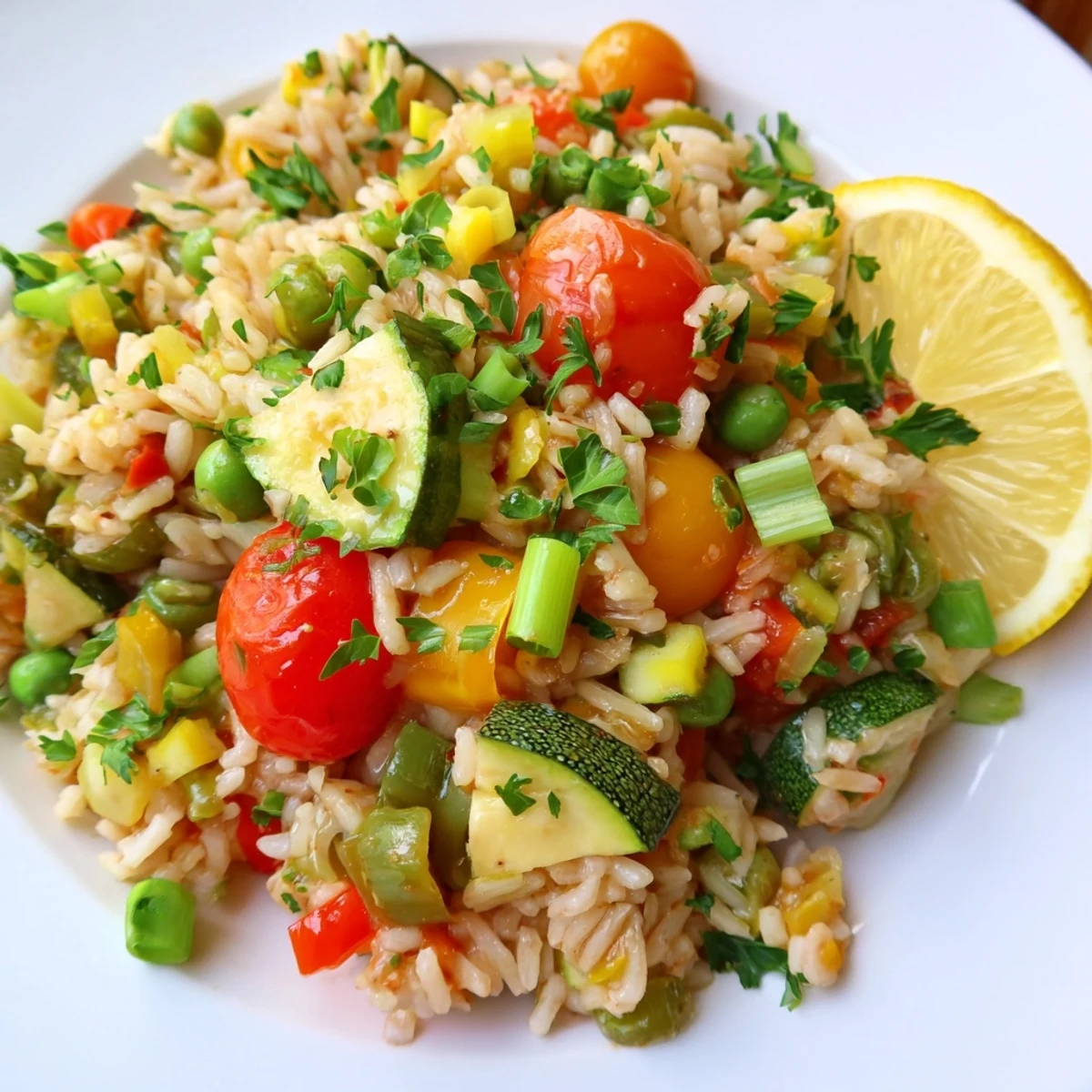
 This dish blends fresh vegetables like bell peppers, zucchini, and okra with long-grain rice simmered in vegetable broth and tomatoes. Aromatic spices such as Cajun seasoning, smoked paprika, and thyme infuse depth and warmth. The result is a vibrant, hearty dish featuring tender rice and a medley of vegetables, brightened by fresh parsley and green onions, finished with lemon wedges for a zesty touch.
Ideal for festive occasions, it balances spice and freshness, with optional add-ins like beans or plant-based sausage for extra protein. Simmering ensures the rice absorbs rich flavors while keeping the texture perfect and colorful.
The first time I attempted jambalaya without andouille or shrimp, my Louisiana-raised neighbor actually leaned over my fence and said, honey, youre brave. But when she tasted this vegetable version, she asked for seconds. That's when I knew plant-based jambalaya wasn't just a compromise.
Last February, I made a huge batch for a Mardi Gras potluck, and my friend Mike who typically orders double meat at restaurants went back for thirds. He kept asking what the secret ingredient was. I think he was disappointed when I said it was just patience and really good paprika.
Ingredients
- Olive oil: Forms the foundation of your flavor base, so use one you actually enjoy tasting
- Yellow onion, green and red bell peppers, and celery: This holy trinity might seem simple, but taking the time to dice everything evenly means every spoonful has the perfect balance of flavors
- Garlic: Fresh minced garlic matters here because it blooms in the hot oil and infuses the entire dish
- Zucchini and okra: Okra adds that authentic Gulf Coast texture, but if you cannot find it fresh, the zucchini provides a similar silkiness
- Cherry tomatoes: They burst during cooking and release little pockets of sweetness that balance the heat
- Green peas: Add them late so they stay bright and provide fresh pops of color against the reddish rice
- Long-grain white rice: Short-grain rice turns to mush in jambalaya, and brown rice never quite absorbs the spices the same way
- Vegetable broth: Use a broth you would drink on its own because it reduces down and concentrates
- Canned diced tomatoes: The juices help cook the rice and add depth, so do not drain them
- Cajun seasoning: Homemade is best, but if you are buying, check that it does not have excessive salt
- Smoked paprika: This is what gives you that woodsmoke flavor you usually get from andouille
- Dried thyme and oregano: Earthy herbs that round out the bright vegetables
- Cayenne pepper: Start with half a teaspoon and taste before adding more, because heat builds as the dish sits
- Bay leaf: It adds a subtle floral note that you will not necessarily identify but you will miss if it is missing
- Salt and black pepper: Season at the end, because the Cajun seasoning and broth both contain salt
- Green onions and parsley: Fresh herbs wake everything up right before serving
- Lemon wedges: A squeeze of acid cuts through the richness and brightens all the vegetables
Instructions
- Build your flavor foundation:
- Heat the olive oil in your heavy pot until it shimmers, then add the onion, both bell peppers, and celery. Let them cook undisturbed for a couple minutes between stirs so they develop some color, which means deeper flavor.
- Add the aromatics and softer vegetables:
- Stir in the garlic, zucchini, and okra if you are using it, and cook just until you can smell the garlic throughout your kitchen. You want the vegetables softened but not falling apart yet.
- Toast the rice:
- Add the dry rice and stir constantly for about two minutes until the grains look slightly translucent and smell nutty. This step is what keeps each grain distinct instead of clumping together.
- Add the liquid and spices:
- Pour in the canned tomatoes with all their juices and the vegetable broth, then add all your spices except the salt. Stir everything thoroughly and watch as the liquid turns this beautiful rusty color.
- Simmer until the rice is nearly done:
- Bring it to a boil, then immediately reduce to low and cover with a tight-fitting lid. Let it simmer gently for 25 minutes, lifting the lid only once or twice to give it a stir and make sure it is not sticking.
- Add the final vegetables:
- Fold in the cherry tomatoes and green peas, then cover again and cook for 10 more minutes. The tomatoes should be bursting and the rice tender but still with a slight bite to it.
- Finish and serve:
- Turn off the heat, fish out and discard the bay leaf, and let it sit covered for 5 minutes before fluffing with a fork. This rest period is crucial for the texture to settle. Scatter green onions and parsley over the top and bring the whole pot to the table with lemon wedges on the side.
 Save to Pinterest
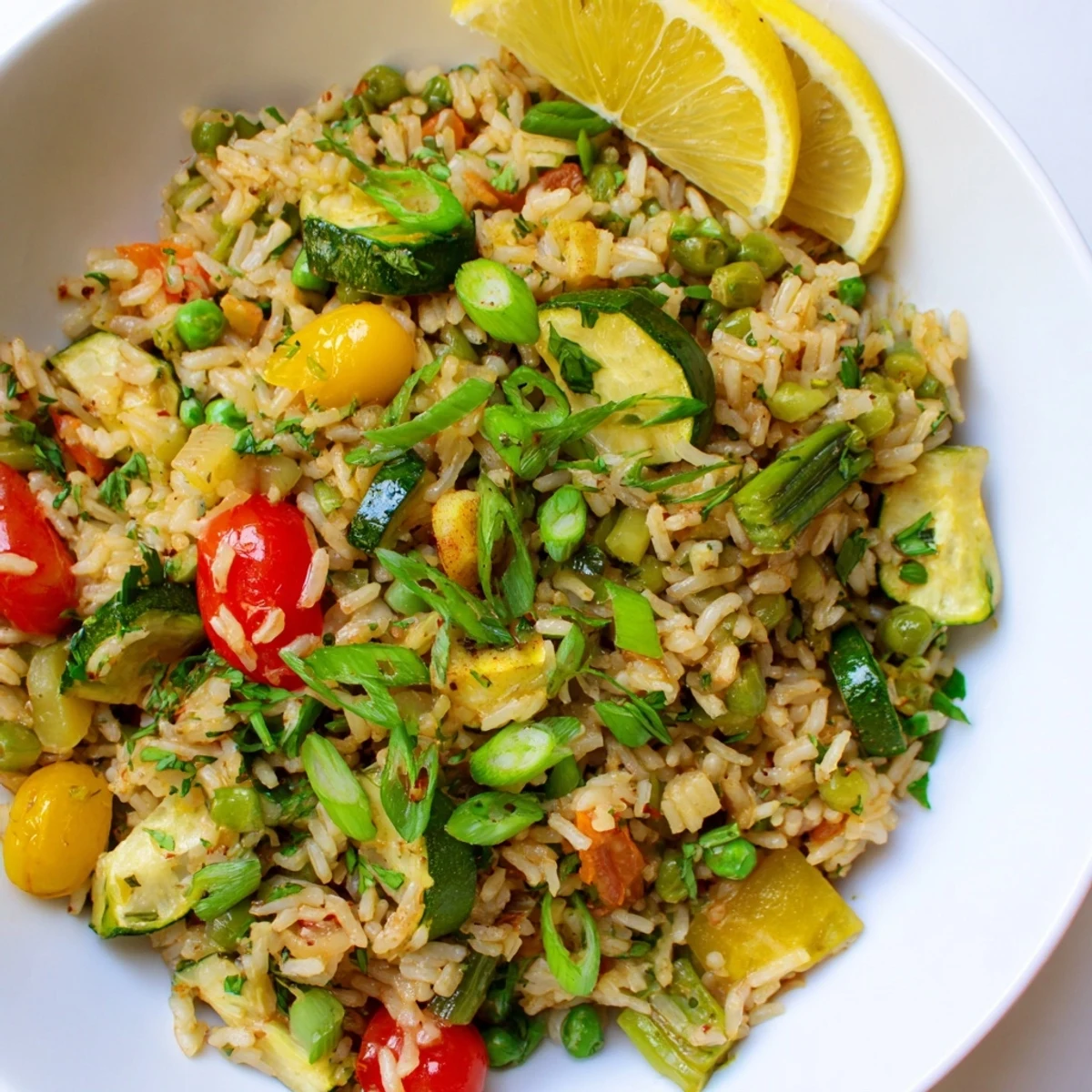
 This recipe has become my go-to for potlucks because it serves a crowd and somehow manages to feel special even though it is mostly pantry staples. Something about a big pot of fragrant, colorful rice makes people feel taken care of.
Making It Your Own
I have learned that the best jambalaya is flexible. Sometimes I add diced sweet potatoes in the winter, or throw in some corn in the summer when it is everywhere. The method stays the same.
Serving Suggestions
This is hearty enough to stand alone as a main, but I love serving it with a simple green salad dressed with something sharp and acidic. The cool crunch against the warm, spiced rice is exactly right.
Make-Ahead Magic
Jambalaya is one of those rare dishes that genuinely improves after a night in the refrigerator. The spices mellow and marry, and the rice absorbs even more flavor. I often make it the day before a gathering and just reheat it gently with a splash of water.
- If you know you are making this ahead, slightly undercook the rice so it does not become mushy when reheated
- Store the fresh garnishes separately and add them right before serving so they stay bright and crisp
- Leftovers freeze beautifully for up to three months, which is why I always make a double batch
 Save to Pinterest
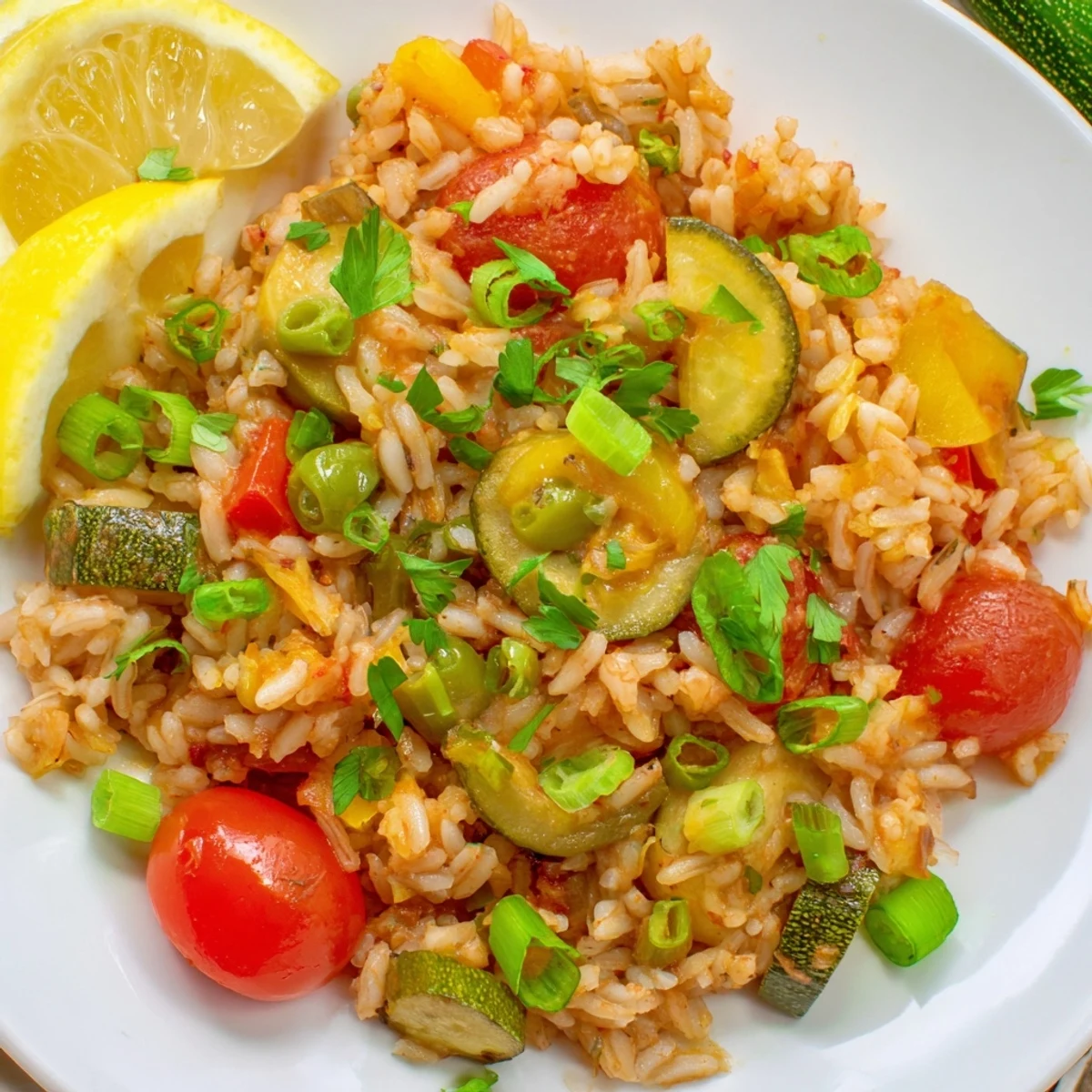
 There is something deeply satisfying about a one-pot meal that feeds a table full of people and makes the whole house smell like spices. This is the kind of food that brings people together.
Recipe Questions & Answers
- → What vegetables are used in this jambalaya?
-
Key vegetables include bell peppers, celery, yellow onion, zucchini, cherry tomatoes, okra (optional), garlic, and green peas, creating a colorful, flavorful base.
- → Can this dish be made vegan and gluten-free?
-
Yes, it uses vegetable broth and no gluten-containing ingredients, making it suitable for vegan and gluten-free diets.
- → How is the spiciness balanced in the dish?
-
Spices like Cajun seasoning, smoked paprika, cayenne, and herbs are combined to create a layered, moderate heat, adjustable by tweaking the cayenne amount.
- → What cooking method ensures the best texture for the rice and vegetables?
-
Sautéing the vegetables first enhances flavor, then simmering the rice with broth and tomatoes allows the grains to absorb spices while keeping vegetables tender.
- → Are there suggestions to add protein to the dish?
-
Adding cooked beans such as kidney or black beans, or plant-based sausage, provides extra protein and complements the flavors.