
 Save to Pinterest
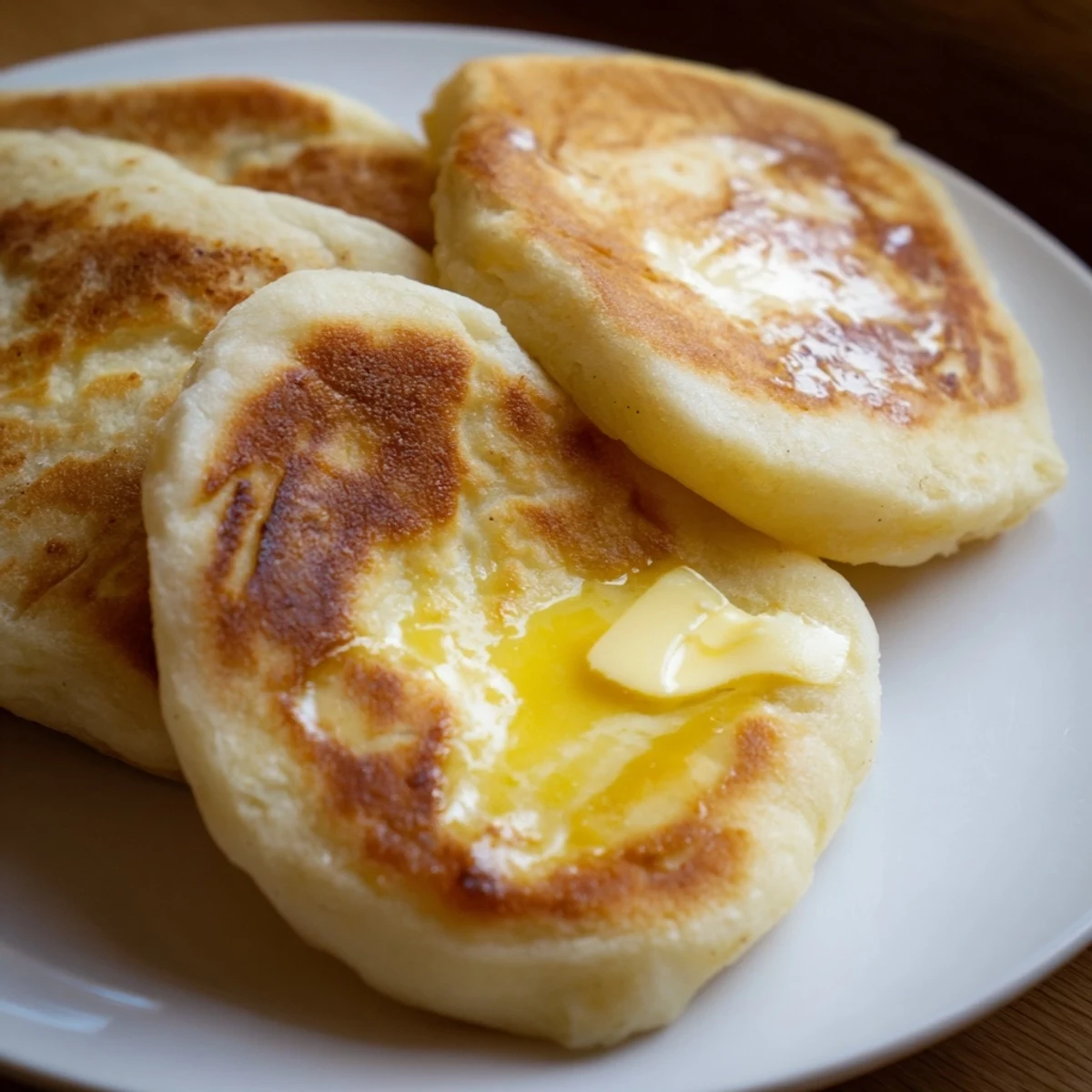
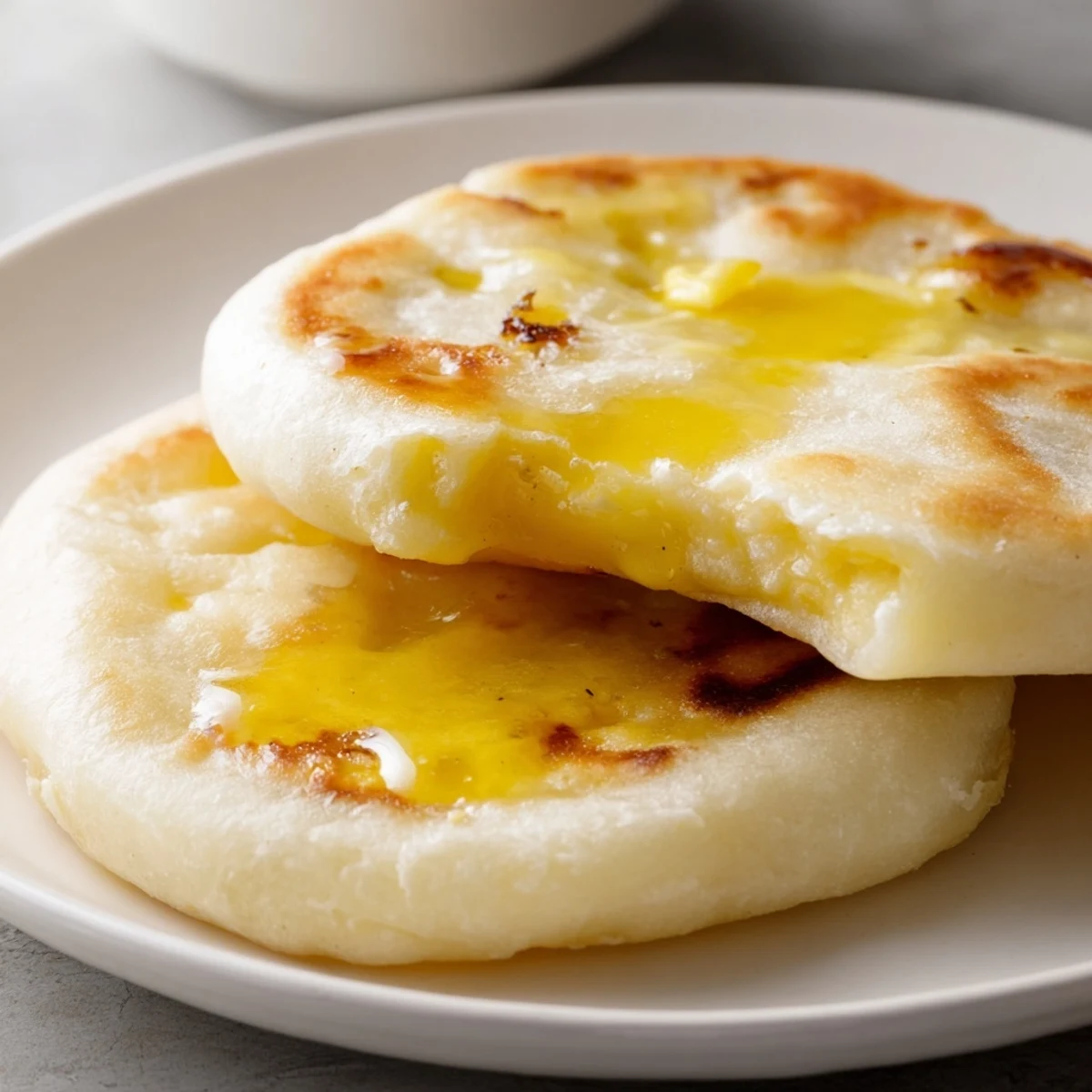
 Irish Potato Bread Farls are a traditional Northern Irish griddle bread made from mashed potatoes, flour, and butter. After boiling and mashing the potatoes, they're combined with flour and a touch of salt to form a soft dough. The dough is rolled out and cut into quarters before being pan-fried until golden and slightly puffed. Farls are best enjoyed warm with salted butter, offering a satisfying and comforting texture perfect for breakfast or snacks.
The smell of potatoes hitting hot butter takes me back to a gray Tuesday morning in Belfast when I learned that sometimes the simplest breads are the ones that stick with you longest. I was watching a friends grandmother work flour into mashed potatoes with the kind of ease that comes from fifty years of practice, her hands moving like she was folding clouds instead of dough. That morning taught me that comfort food doesnt need complicated techniques or proofing bowls, just a hot pan and the confidence to trust your hands.
Last winter my sister came over complaining about being tired of store bought bread, and I made her stand at the stove while I taught her how to flip farls. We burned the first two because we were talking too much and the heat was too high, but by the third batch we had the rhythm down. She ate three standing right there at the counter, butter dripping down her wrist, and asked why wed been buying bread our entire lives.
Ingredients
- Floury potatoes: Maris Piper or Russet potatoes work best here because theyre fluffy and absorbent, which means your bread wont be gummy. Avoid waxy potatoes like red potatoes or fingerlings, they just dont mash the same way.
- Unsalted butter: Youll want this unsalted so you can control the seasoning, and trust me, you want it melted into the hot potatoes, not cold and reluctant to blend.
- Whole milk: This adds just enough richness without making the dough heavy, and if you only have 2% itll still work but the texture will be slightly less tender.
- Plain flour: All purpose flour is perfect here, no need for bread flour which might make the farls tough, and the amount listed gives you a dough that handles beautifully.
- Fine sea salt: This seasons both the dough and the cooking water, so dont skip it or youll end up with bland bread even after adding butter later.
- Salted butter: For serving, and honestly, be generous with it because the contrast of cold salty butter against warm potato bread is the whole point.
Instructions
- Boil your potatoes:
- Cover your peeled cubed potatoes with cold water, add a pinch of salt, and simmer until theyre completely tender when pierced with a fork, about ten to twelve minutes. Drain them well and let them steam dry in the hot pan for a minute, because excess water will make your dough sticky and hard to work with.
- Mash while hot:
- Get your potatoes as smooth as possible because lumps will show up in your final bread, then stir in the butter and milk while everything is still hot so the ingredients melt together into a creamy mash.
- Form the dough:
- Mix in the flour and salt until you have a soft dough that holds together but doesnt stick to your hands, adding a bit more flour if needed, but be careful not to overwork it or the farls will be tough.
- Shape and cut:
- Turn the dough onto a floured surface and pat it into a round about half an inch thick, then cut it into quarters like a pizza, because these triangles are what make them traditional farls.
- Cook until golden:
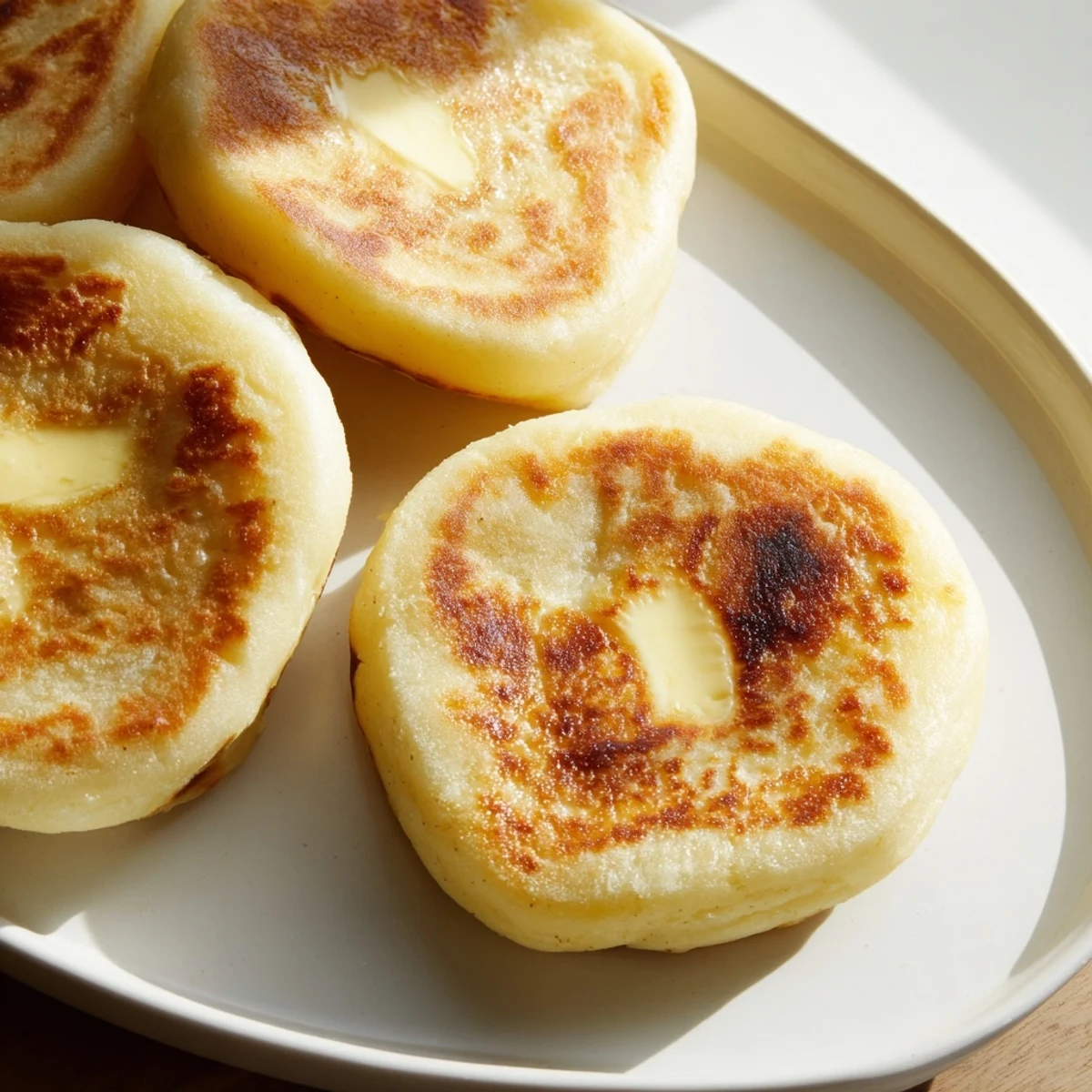
- Heat your pan over medium low, no oil needed, and cook each farl for three to four minutes per side until theyre golden brown with some darker spots, and they should puff up slightly when theyre done.
 Save to Pinterest
 My dad now requests these every time he visits, standing by the stove waiting for the moment I slide the first farl onto his plate. He still cuts them into tiny triangles, the same way his grandmother did, and eats them with his hands like a sandwich, which apparently is the proper way according to family tradition Ive only just heard about.
Getting the Heat Right
Medium low heat might feel too gentle, especially if youre used to cooking pancakes, but farls need time to cook through without burning. I set my pan between 3 and 4 on an electric stove, and if I see them browning too fast I slide the pan to a cooler burner for the final minute. You want the outside to develop a golden crust while the inside steams itself fluffy, and that only happens when you give them time.
Variations That Work
Chives and black pepper are classic additions, but Ive also made these with grated cheddar folded into the dough for a savory twist that my kids call cheese pancakes. For a sweeter version, skip the salt in the dough and serve with honey butter instead, though honestly, the traditional plain version with salted butter is hard to improve upon. Sometimes I fry an egg to eat alongside, and if Im feeling fancy, a slice of smoked salmon turns this into breakfast that looks like it came from a restaurant.
Serving Suggestions
These make an excellent base for all kinds of toppings beyond just butter, and I love them with a poached egg and some avocado when I want something that feels substantial but not heavy. They reheat beautifully in a dry pan, which means you can make a batch and have breakfast sorted for two days.
- Fry leftover farls in a little bacon fat for an extra savory breakfast
- Split and toast them like English muffins, they get incredible crunch
- Freeze uncooked farls between parchment paper and cook straight from frozen
 Save to Pinterest
 There is something deeply satisfying about turning humble ingredients into something that feels like a special occasion, and I think thats why these farls have stuck around in Irish kitchens for generations. Make them once, and they will find their way into your regular rotation.
Recipe Questions & Answers
- → What type of potatoes work best for Irish bread farls?
-
Floury potatoes like Maris Piper or Russet are ideal because they mash smoothly and create a tender dough texture.
- → Can I add flavors to the dough?
-
Yes, chopped chives or freshly ground black pepper enhance the flavor without overpowering the traditional taste.
- → What is the best way to cook farls?
-
Cook them on a medium-low heat in a non-stick pan or griddle for 3-4 minutes per side until golden and slightly puffed.
- → How do I know when the dough is ready to cook?
-
The dough should be soft and slightly sticky but manageable. Add a bit more flour if too sticky to shape easily.
- → Can leftovers be reheated?
-
Yes, farls can be reheated in a pan or toaster, regaining much of their original texture and flavor.