
 Save to Pinterest
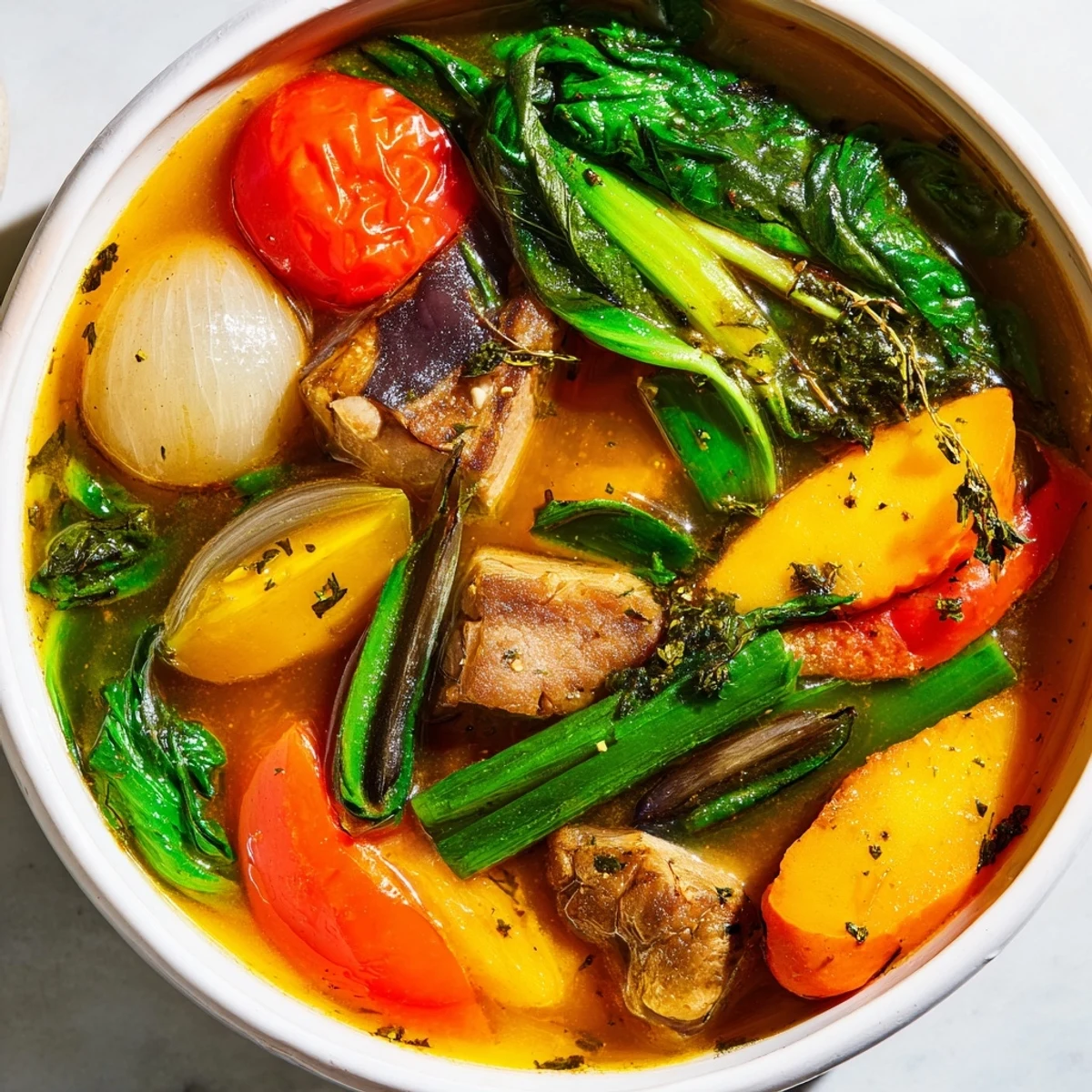
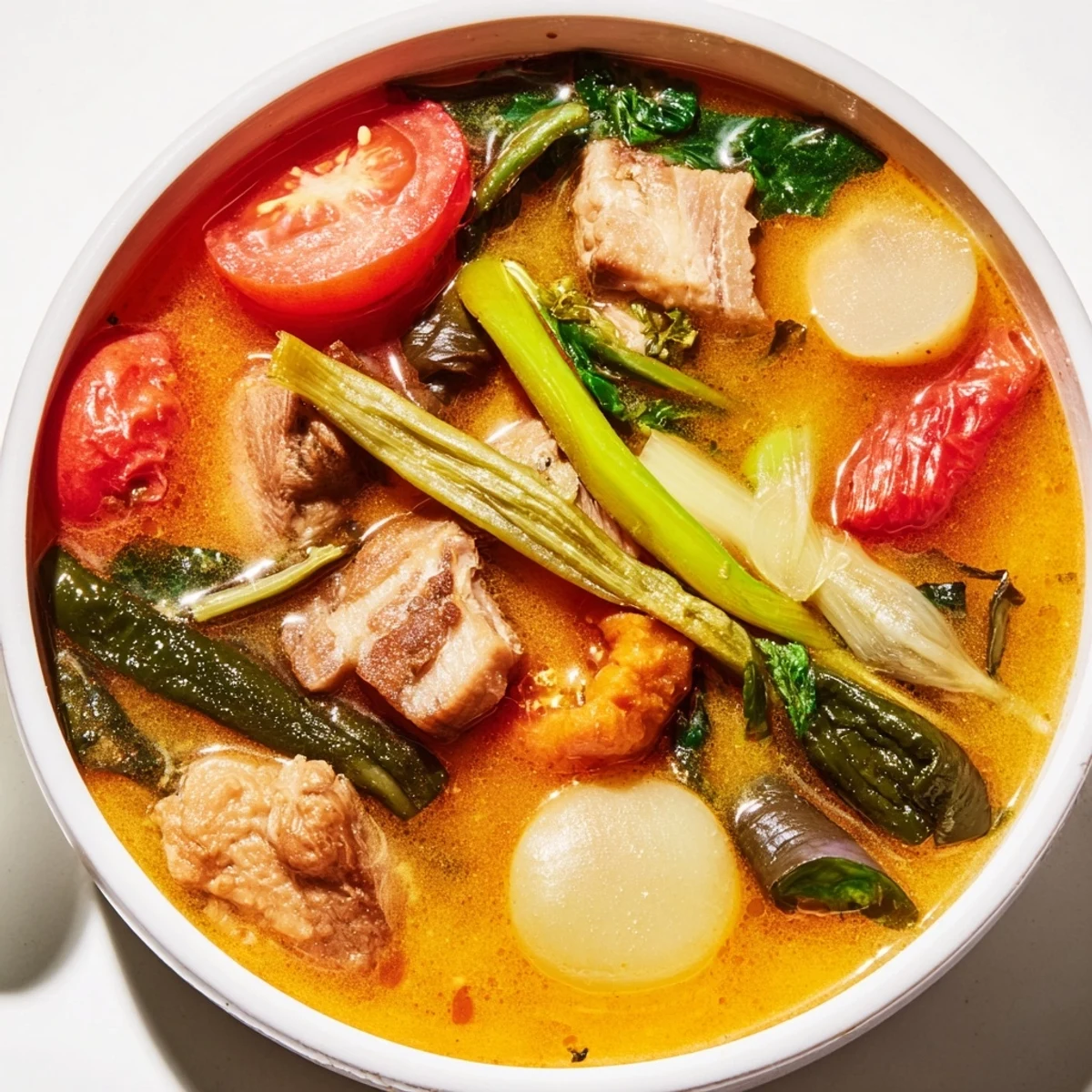
 Sinigang represents the heart of Filipino home cooking, combining succulent pork with a medley of fresh vegetables in a uniquely sour and savory broth. The distinctive tanginess comes from tamarind, creating an addictive balance that warms you from within. This one-pot dish comes together in just over an hour, making it perfect for weekend family meals or meal prep for the week ahead.
The beauty of Sinigang lies in its versatility—swap pork for shrimp, fish, or beef, adjust the vegetables based on what's in season, and control the sourness to your preference. The result is always a nourishing, soul-satisfying soup that pairs perfectly with steamed rice.
The first time I had Sinigang was at my Filipino best friend's house during college, and that sudden punch of sourness made me accidentally laugh out loud mid-bite. Her grandmother just chuckled and said "that's the face" while refilling my bowl, like she'd seen that exact reaction a thousand times before. Now whenever rainy season hits, I find myself craving that same lip-puckering comfort without even realizing it's happening.
Last month I made a huge pot for my sister who was recovering from surgery, and she kept texting me updates about how the sourness was actually helping her appetite return. There's something about that tangy broth that feels medicinal in the gentlest way possible, like a warm hug for your insides when you need it most.
Ingredients
- 1 kg pork belly or pork ribs: I usually grab pork belly from my Asian market because the fat renders beautifully into the broth, but ribs work wonderfully too and feel slightly lighter
- 2 medium tomatoes: Quarter these roughly, they'll break down and add their natural sweetness to balance all that sour
- 1 large onion: Just peel and quarter it, no need to be neat since it'll soften into the background
- 1 daikon radish: Peel and slice into half-moons, these soak up the broth and become everyone's favorite vegetable surprise
- 10 string beans: Trim and cut into 2-inch pieces, they add a lovely snap that contrasts the tender pork
- 1 eggplant: Slice into rounds or chunks, Filipino eggplants are perfect but regular ones work just fine
- 2 cups spinach or kangkong: Wash these well, they go in last and wilt beautifully into the steaming soup
- 2 long green chili peppers: Optional unless you like that gentle heat in the background
- 1 packet tamarind soup base: The shortcut I learned from my friend's grandma, though fresh tamarind pulp is worth the effort if you can find it
- 2 tbsp fish sauce: This adds that essential savory depth, don't skip it even if you're nervous about the smell
- 1 tsp salt and pepper: Adjust these at the end since the tamarind and fish sauce already bring serious flavor
- 6 cups water: Start with this and add more if needed, the broth should be generous
Instructions
- Get your pork started:
- Bring your water to a rolling boil in a large pot, then add the pork chunks, skimming off any foam that rises to the top for a cleaner broth
- Build the base:
- Toss in your quartered tomatoes and onions, letting everything simmer together for about 20 minutes until the pork starts getting tender
- Add the hearty vegetables:
- Stir in your daikon radish slices and let them cook for 10 minutes, they'll take longer than the other vegetables to soften
- Add the remaining vegetables:
- Drop in your eggplant, string beans, and those chili peppers if you're using them, simmering for another 5 minutes
- Create the signature sour broth:
- Stir in your tamarind soup base until dissolved, or strain in fresh tamarind pulp if you went the extra mile
- Season perfectly:
- Add your fish sauce, salt, and pepper, tasting as you go since the right balance is personal
- Finish with greens:
- Drop in your spinach or kangkong leaves, simmering for just 2 to 3 minutes until perfectly wilted
 Save to Pinterest
 My neighbor knocked on my door once while I had a pot simmering, following that unmistakable sour scent, and ended up staying for dinner with her family. That's the kind of soup this is, it pulls people in and creates these unexpected little gatherings around the table.
Making It Your Own
I've started adding okra whenever I find it at the market, and the way it thickens the broth slightly while adding its unique texture is something I genuinely look forward to now. Sometimes I'll throw in taro pieces too, which break down just enough to make the soup feel more substantial without losing that light quality.
The Perfect Rice Partner
Steamed white rice is non-negotiable here, at least in my house, because that slightly sour broth soaking into fluffy rice is arguably the best part of the entire meal. I actually make extra rice just so I can have seconds of the broth-soaked kind.
Serving Suggestions
This soup is surprisingly fantastic with a chilled glass of Sauvignon Blanc, the crisp white wine cutting through the richness while complementing all those tangy notes. I like setting out small bowls of extra fish sauce at the table so everyone can adjust their own bowls.
- Set aside some extra chilies for the heat lovers
- Have calamansi or lime wedges ready for an extra sour kick
- Keep extra rice handy because everyone will want seconds
 Save to Pinterest
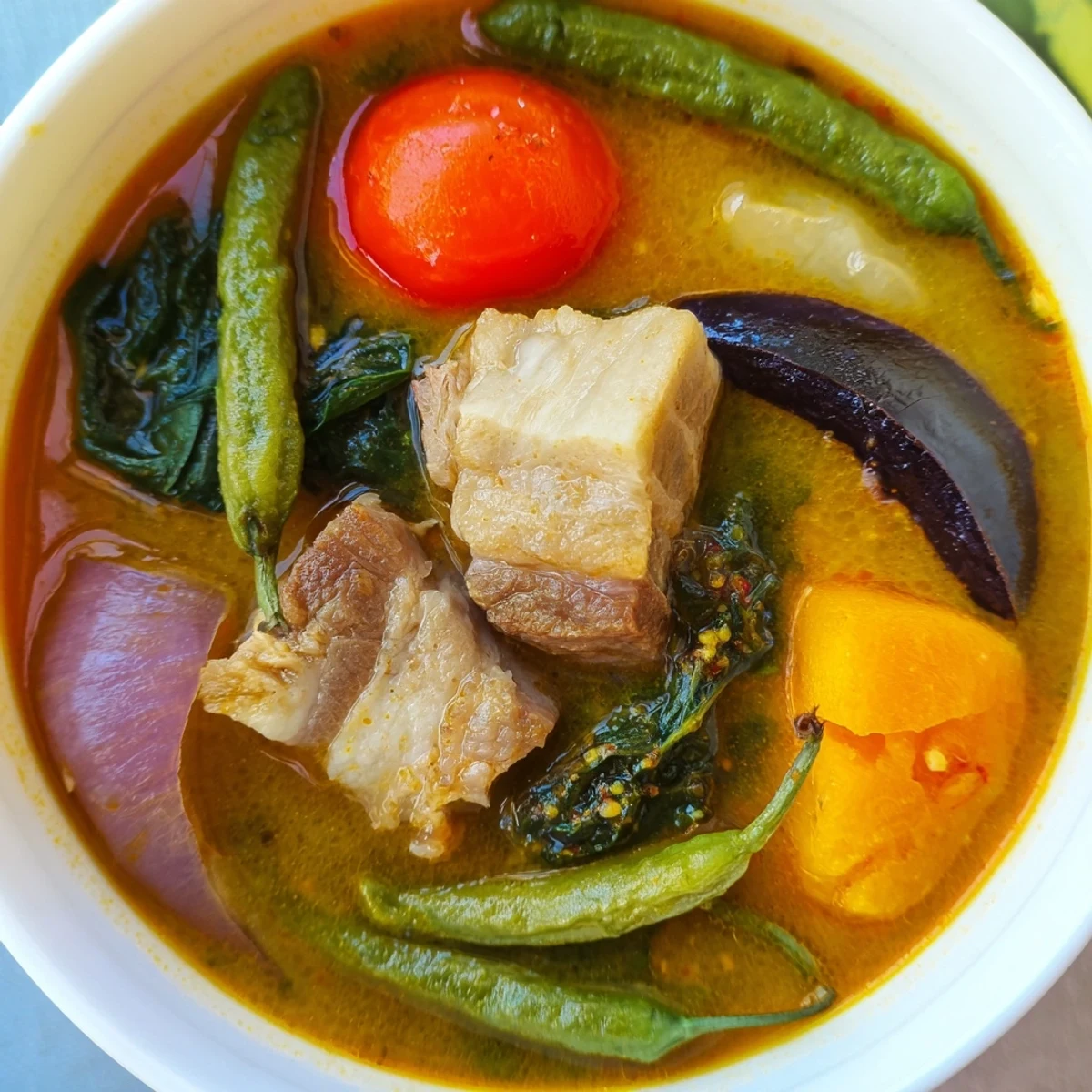
 There's something about a steaming bowl of Sinigang that feels like home, even if you grew up with completely different comfort foods.
Recipe Questions & Answers
- → What makes Sinigang sour?
-
The signature sourness comes from tamarind, either using fresh tamarind pulp boiled and strained, or convenient tamarind soup base mix. You can adjust the amount to control the intensity of the tangy flavor.
- → Can I make Sinigang with other proteins?
-
Absolutely! While pork belly or ribs are traditional, you can use shrimp, fish, beef, or even chicken. Seafood versions cook faster—add shrimp or fish during the last 10 minutes to prevent overcooking.
- → What vegetables go in Sinigang?
-
Classic additions include daikon radish, eggplant, string beans, tomatoes, onions, and leafy greens like spinach or kangkong (water spinach). You can also add okra, taro, or other vegetables based on preference and availability.
- → How do I adjust the sourness?
-
Start with less tamarind base or fresh pulp, taste the broth, and gradually add more until you reach your desired level of sourness. Remember that the flavor intensifies slightly as it simmers.
- → What should I serve with Sinigang?
-
Steamed white rice is the traditional accompaniment, helping to balance the bold flavors. For a special touch, pair with a chilled glass of Sauvignon Blanc or other crisp white wine.
- → How long does Sinigang keep?
-
Stored in an airtight container in the refrigerator, Sinigang keeps well for 3-4 days. The flavors actually develop and improve over time. Reheat gently on the stove, adding a splash of water if needed.