
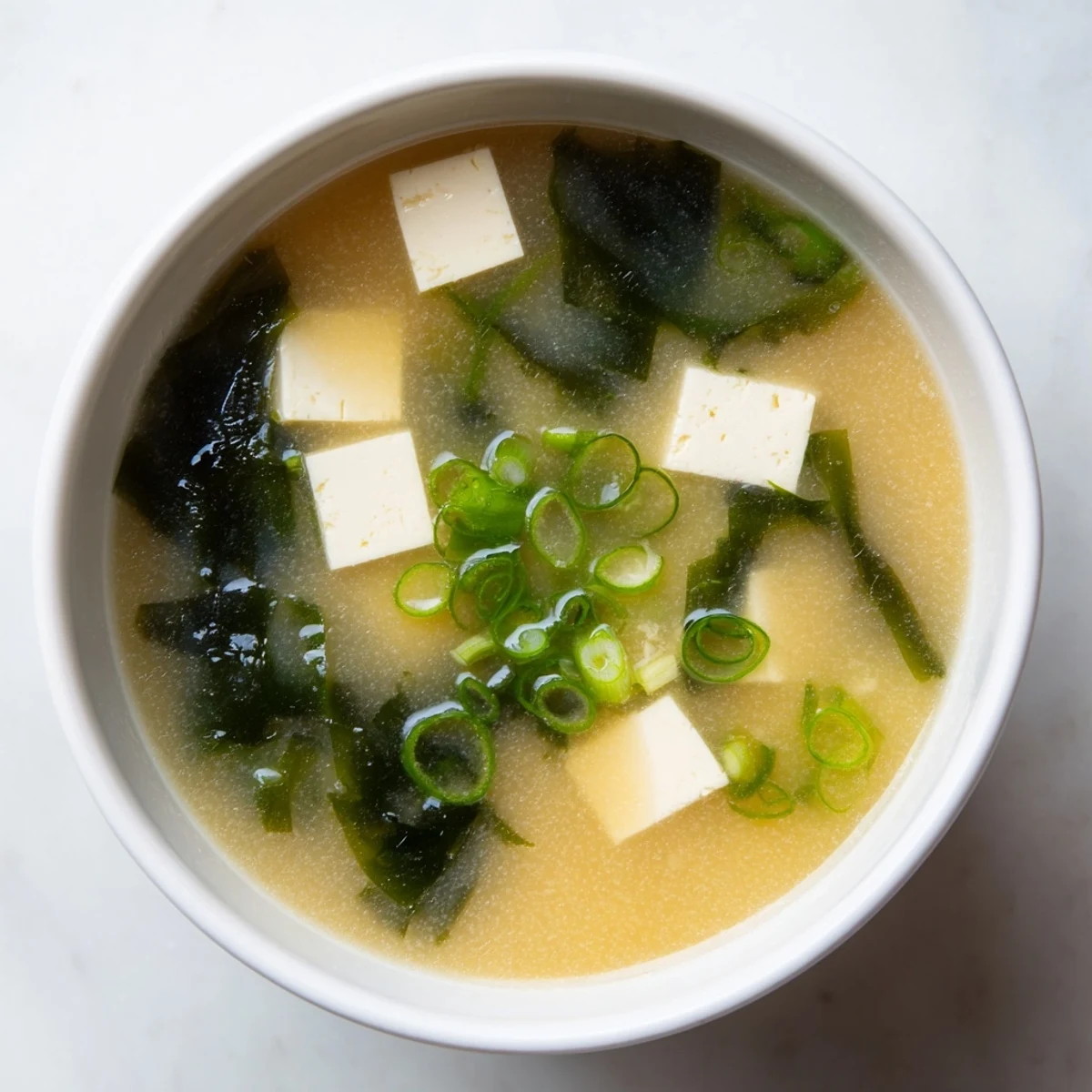
 Save to Pinterest
 This comforting Japanese soup brings together delicate miso flavor with soft tofu cubes and savory wakame seaweed. The entire preparation takes just 15 minutes from start to finish, making it an ideal choice for a quick light meal or starter.
The key to perfect results lies in properly dissolving the miso paste - whisk it with a small amount of hot dashi first before adding it back to the main pot. This technique ensures smooth incorporation and prevents clumping while preserving the beneficial enzymes in the fermented miso.
Customize your bowl by mixing white and red miso for deeper complexity, or add mushrooms, spinach, and daikon for extra vegetables. The gentle simmering process warms the tofu through and rehydrates the seaweed without boiling away the miso's delicate aroma.
The first time I had authentic miso soup was at a tiny counter seat in Tokyo, where the chef slipped me an extra bowl without me even asking. That memory of steam rising up to meet my face, the salty warmth hitting me first thing in the morning stuck with me years later. Now whenever I need something that feels like a gentle hug in liquid form, this is what I make. The whole process takes fifteen minutes, but those fifteen minutes feel like a small meditation.
Last winter my roommate came home exhausted from work, slumping onto the couch without even taking off her coat. I put a pot of this on, the kitchen filled with that distinctive oceanic miso smell, and watched her whole face change as she cradled the warm bowl. Food has this way of reaching people when words cannot.
Ingredients
- 4 cups dashi stock: This is the foundation, whether you use instant granules or take the time to make kombu dashi for a vegetarian version
- 3 tablespoons white miso paste: Shiro miso is milder and sweeter than red miso, perfect for a gentle soup that does not overpower the delicate ingredients
- 100 g silken tofu: Cut into half inch cubes, this becomes little clouds of protein that soak up the broth beautifully
- 2 tablespoons dried wakame seaweed: It rehydrates instantly in the hot soup, adding that authentic ocean flavor and silky texture
- 2 green onions: Finely sliced, these provide a fresh bite that cuts through the rich miso
Instructions
- Warm the dashi:
- Bring your dashi stock to a gentle simmer in a medium saucepan over medium heat, watching for tiny bubbles around the edges
- Prepare the miso:
- Scoop the miso paste into a small bowl, add a ladleful of hot dashi, and whisk until completely smooth before returning it to the pot
- Add the goodies:
- Gently slip in your tofu cubes and dried wakame, letting everything simmer for just two to three minutes until the seaweed plumps up
- Finish and serve:
- Pull the pot off the heat, ladle into bowls, and scatter those green onions on top while the steam is still rising
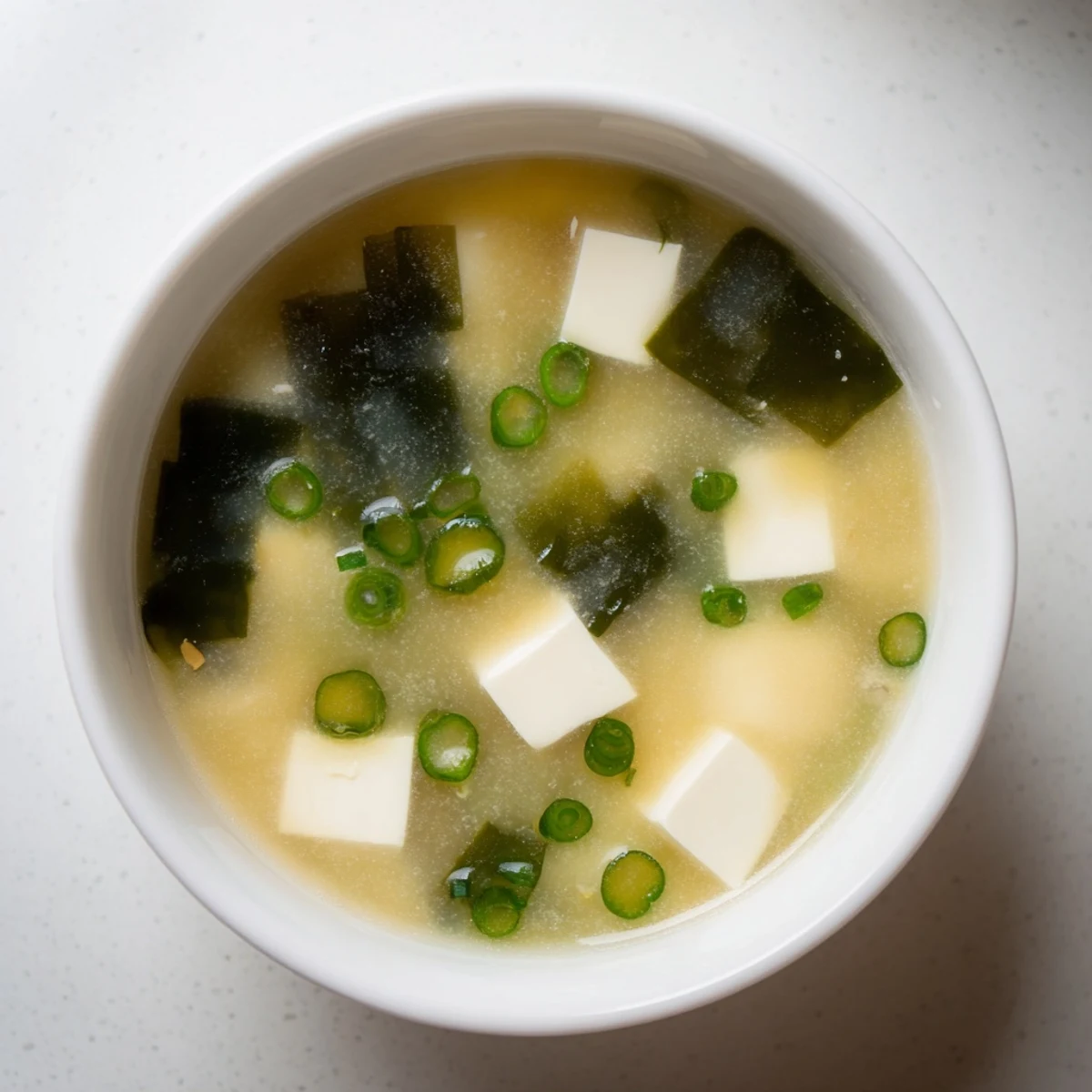 Save to Pinterest
 This recipe became my go to during finals week in college, something I could make on autopilot between study sessions. My apartmentmates started leaving their own mugs on the counter, hoping I would accidentally make enough for them too.
Finding Your Perfect Miso
White miso is fermented for a shorter time, making it milder and slightly sweet, while red miso develops a deeper, saltier punch. I have started keeping both in my fridge and mixing them depending on my mood. The combination creates layers of flavor that make each spoonful interesting.
Building a Better Broth
Homemade dashi from kombu seaweed transforms this soup into something restaurant worthy, but instant dashi granules work perfectly fine for weeknight cooking. The key is tasting your broth before adding the miso, adjusting the seasoning if needed.
Make It Your Own
Sometimes I add thinly sliced mushrooms for earthiness or baby spinach that wilts beautifully in the hot broth. A soft boiled egg turns it into a meal, while cooked rice makes it heartier for colder days.
- Try stirring in a teaspoon of sesame oil right before serving for a nutty finish
- A pinch of red pepper flakes adds warmth without overwhelming the delicate flavors
- Leftovers keep well but reheat gently to preserve the miso is beneficial properties
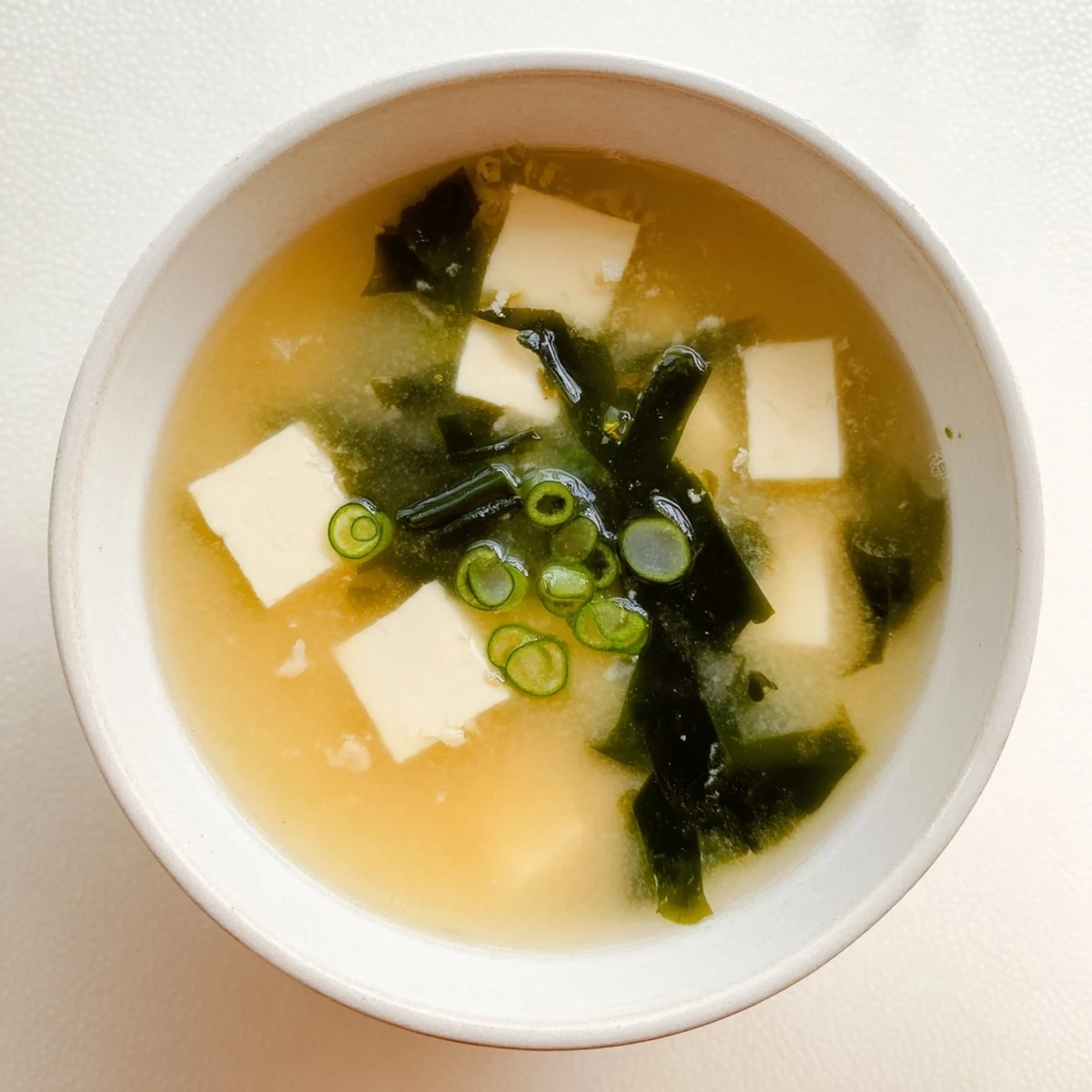 Save to Pinterest
 There is something deeply soothing about making soup this simple, this honest. It reminds me that good food does not need to be complicated to nourish both body and spirit.
Recipe Questions & Answers
- → What type of miso paste works best?
-
White miso paste (shiro miso) creates a delicate, slightly sweet flavor ideal for this preparation. For deeper umami notes, try blending white and red miso pastes in equal parts. Always dissolve the miso in a small amount of hot liquid first to prevent clumping.
- → Can I make this vegetarian or vegan?
-
Absolutely. Substitute traditional dashi with kombu (kelp) dashi for a vegetarian version. For vegan preparation, ensure the dashi contains no bonito flakes and verify that your miso paste doesn't include fish-derived ingredients. The result remains deliciously satisfying.
- → Why shouldn't I boil miso soup?
-
Boiling miso paste destroys its beneficial probiotics and enzymes while creating an unpleasant bitter taste. Keep the liquid at a gentle simmer and remove from heat once the miso is incorporated. This preserves both nutritional benefits and the delicate fermented flavor.
- → How long does the soup keep?
-
Store leftovers in an airtight container in the refrigerator for up to 2 days. Reheat gently over low heat, avoiding boiling. The tofu may soften slightly after storage, but the flavors will continue to develop. For best results, add fresh green onions when serving.
- → What vegetables can I add?
-
Thinly sliced mushrooms, fresh spinach, baby bok choy, or daikon radish complement the base beautifully. Add hearty vegetables like carrots or daikon during simmering, while delicate greens like spinach should be stirred in at the very end to maintain their texture.
- → Can I freeze this soup?
-
Freezing alters the texture of silken tofu, making it slightly spongy upon thawing. However, the broth freezes well for up to 2 months. For optimal results, prepare fresh tofu and seaweed when reheating frozen broth, adding miso paste after defrosting for the best flavor.