
 Save to Pinterest
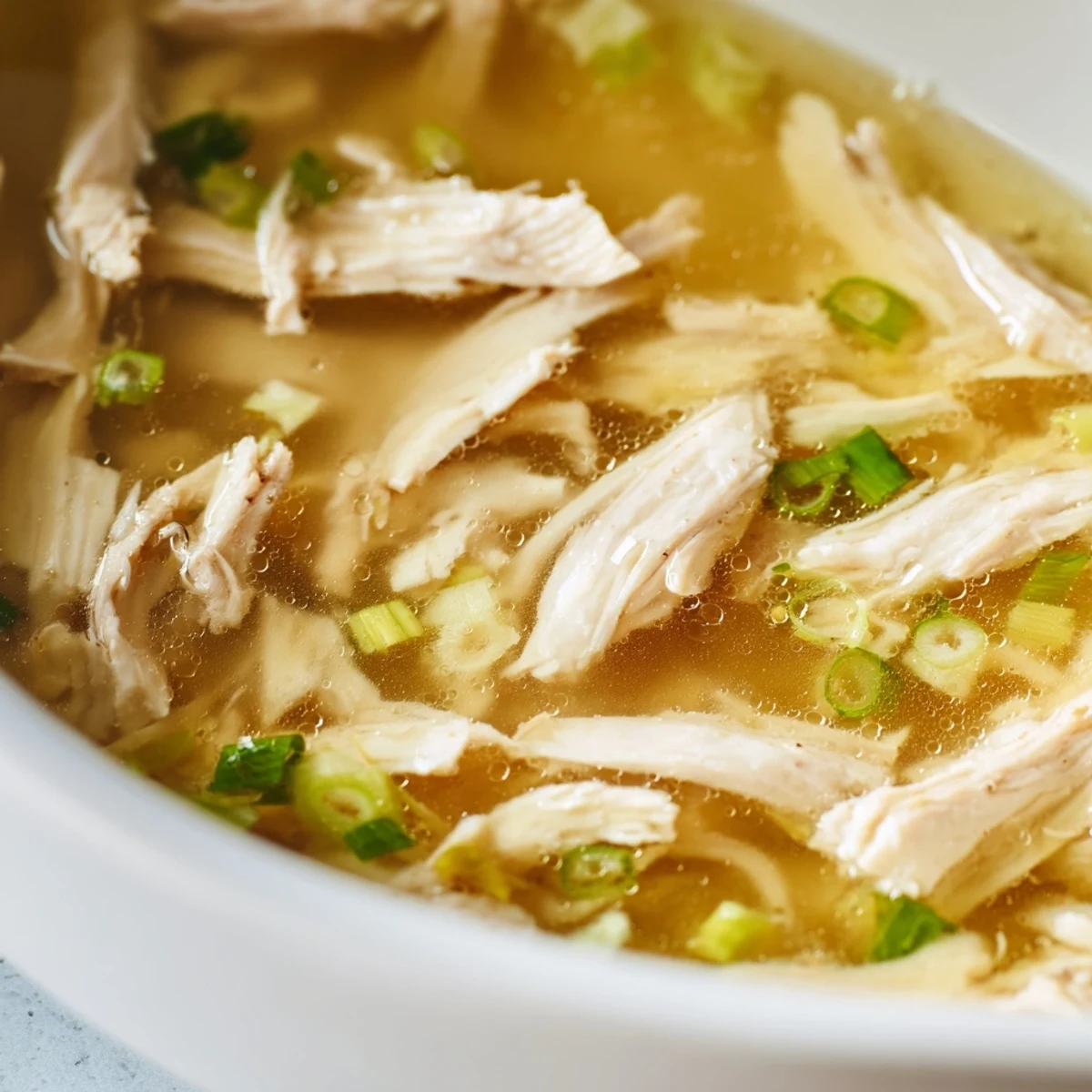
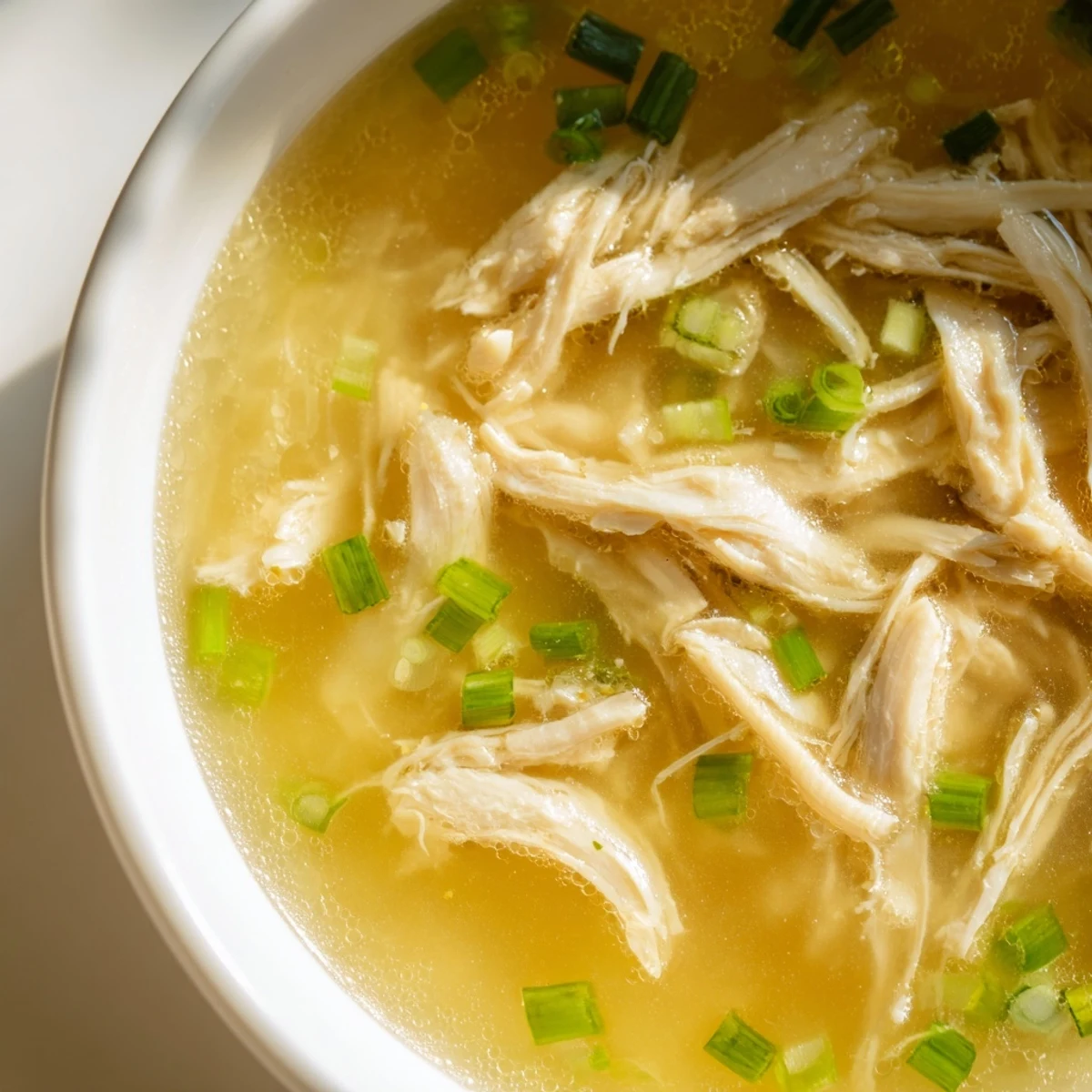
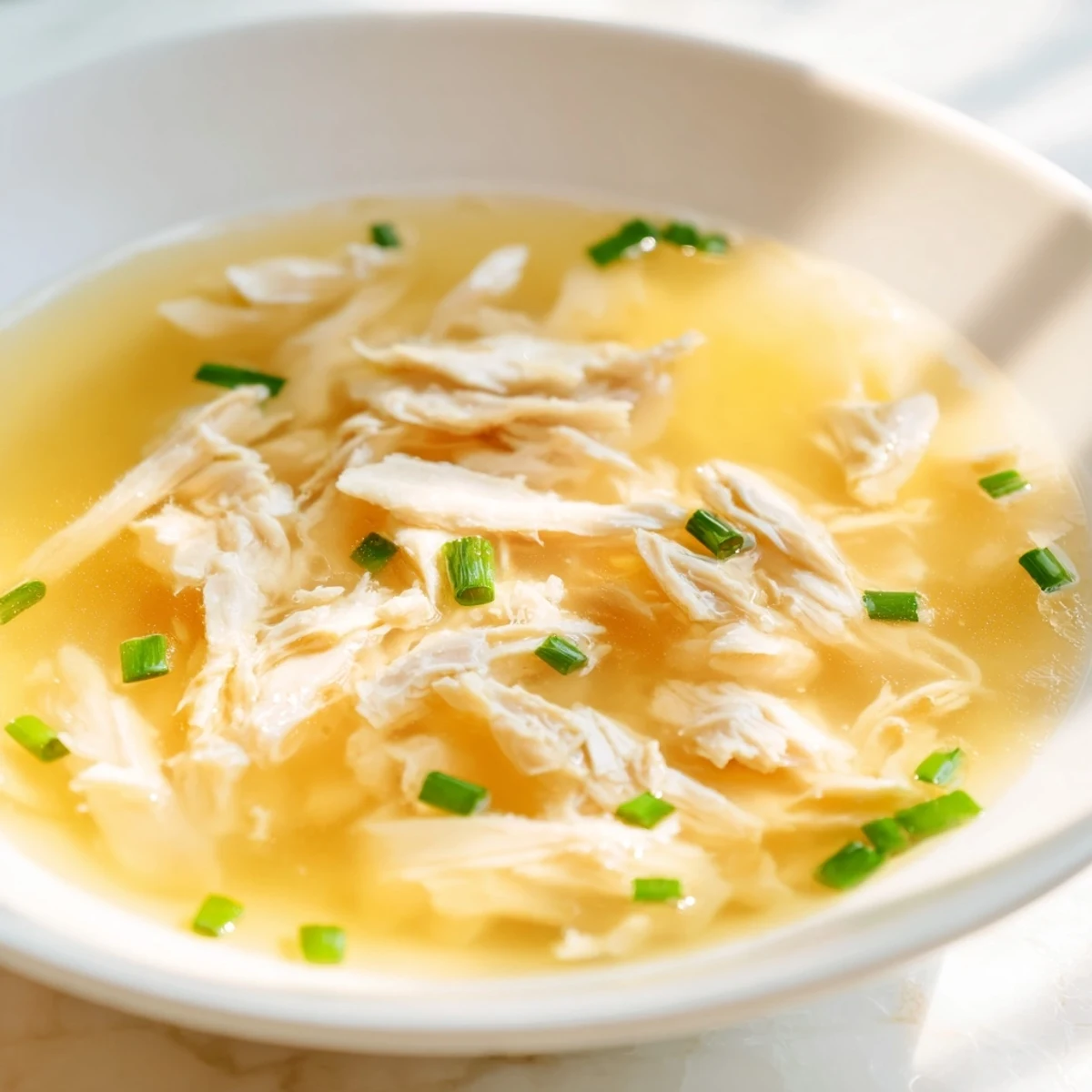
 This traditional Korean soup transforms a whole chicken into a clear, nourishing broth through gentle simmering with aromatics like garlic, ginger, and green onions. The result is tender shredded chicken in a delicately flavored golden broth that's both comforting and restorative.
The preparation involves boiling the chicken with vegetables, skimming foam for clarity, then straining to create a pristine broth. Shredded chicken returns to the seasoned stock for the final minutes of cooking. Each bowl is finished with fresh green onions and served alongside a tangy dipping sauce that perfectly complements the mild soup.
Perfect for cold weather or whenever you need something warming and healing, this dish comes together with minimal active effort and delivers deep, satisfying flavors through simple ingredients and time-honored technique.
The first snowfall had just started dusting the windowsill when my grandmother announced we were making dakgomtang. She believed clear soup broth could cure almost anything, and I spent hours watching her skim foam from the pot, learning that patience is the secret ingredient in Korean chicken soup.
Years later, living alone in my first apartment, I recreated her recipe during a particularly brutal winter. My roommate stumbled home from work, red-nosed and shivering, and silently inhaled two bowls before declaring it better than any medicine.
Ingredients
- Whole chicken: The backbone of this soup, use a 3 to 3.5 pound bird and save yourself the trouble by removing giblets beforehand
- Onion and garlic: Ten cloves might seem excessive but they create the mellow aromatic base that makes this soup so soothing
- Fresh ginger: Just a one-inch slice adds warmth and depth without overpowering the delicate flavor
- Green onions: Use two whole ones for the broth and save the rest for fresh garnish that brightens every bowl
- Daikon radish: Optional but worth finding, it adds subtle sweetness and helps clarify the broth beautifully
- Sea salt and black pepper: Start with two teaspoons salt but always taste at the end, every chicken needs different seasoning
Instructions
- Prepare the chicken and water:
- Rinse your whole chicken under cold water, place it in a large stockpot, then pour in 12 cups of cold water to cover
- Add aromatics and bring to boil:
- Toss in onion halves, garlic cloves, ginger slices, two whole green onions, and daikon chunks, then turn the heat to medium high
- Skimp the foam:
- As the pot comes to a boil, use a ladle to skim off any gray foam rising to the top for the clearest broth possible
- Simmer gently:
- Lower the heat, partially cover the pot, and let it simmer for one hour while your kitchen fills with incredible aromas
- Strain and shred:
- Carefully lift out the chicken, strain the broth through a fine mesh sieve, then shred the meat into bite sized pieces once its cool enough to handle
- Combine and season:
- Return the shredded chicken to the clear broth, season with salt and pepper, then simmer for ten more minutes to let flavors marry
- Make the dipping sauce:
- Whisk together soy sauce, rice vinegar, sesame oil, toasted sesame seeds, sliced green onion, and a pinch of chili flakes
- Serve and enjoy:
- Ladle hot soup into bowls, scatter fresh green onion on top, and pass the dipping sauce for dipping pieces of chicken
 Save to Pinterest
 Now whenever anyone in my family mentions feeling under the weather, my grandmother voice echoes in my head. I reach for a whole chicken and the stockpot, knowing that some traditions exist because they actually work.
Building The Perfect Broth
The clarity of dakgomtang comes from starting with cold water and never boiling aggressively once you have lowered the heat. Gentle simmering extracts flavor without making the broth cloudy, which is why this soup tastes so refined despite its humble ingredients.
Serving Suggestions
While this soup stands beautifully on its own, serve it alongside steamed white rice for the traditional Korean meal experience. The dipping sauce transforms each bite of chicken, so do not skip making it even though it seems optional.
Make Ahead Wisdom
This soup actually tastes better the next day, which makes it perfect for meal prep. Store the broth and shredded chicken separately if possible, then recombine when reheating for the freshest texture.
- Add glass noodles during the last five minutes for a heartier version
- Mushrooms work beautifully if you want to stretch the servings
- The broth freezes well for up to three months
 Save to Pinterest
 Some recipes are passed down through generations because they comfort the body and soul simultaneously. This Korean chicken soup has earned its place in my kitchen, and I hope it finds a permanent home in yours too.
Recipe Questions & Answers
- → What makes dakgomtang different from other chicken soups?
-
Dakgomtang features a clear, pristine broth achieved by skimming foam during boiling and straining out all vegetables before serving. The flavor comes from long-simmered aromatics rather than herbs or spices, resulting in a delicate, clean taste that highlights the natural chicken flavor. It's traditionally served with a tangy dipping sauce on the side for added contrast.
- → Can I use chicken pieces instead of a whole chicken?
-
Yes, you can substitute bone-in chicken pieces like thighs, drumsticks, or a mix. However, whole chicken provides the richest flavor due to the bones and connective tissue. If using pieces, reduce the simmering time to 40-50 minutes and consider adding chicken feet or wings for extra body in the broth.
- → What can I serve with dakgomtang?
-
Steamed white rice is the classic accompaniment, often added directly to the soup or eaten on the side. You can also serve with kimchi, pickled vegetables, or banchan (Korean side dishes). Some people add glass noodles or rice cakes directly to the soup for a more substantial meal.
- → How long does dakgomtang keep in the refrigerator?
-
Stored in an airtight container, the soup keeps well for 3-4 days in the refrigerator. The broth may gel slightly when cold due to natural collagen from the chicken bones—this is normal and indicates a well-made stock. Reheat gently over medium-low heat, adding water if the broth has reduced too much.
- → Is dakgomtang suitable for freezing?
-
Absolutely. Freeze the cooled soup in freezer-safe containers for up to 3 months. For best results, freeze the broth and shredded chicken separately, or leave the chicken slightly under-shredded before freezing. Thaw overnight in the refrigerator and reheat gently on the stovetop.
- → Why is my broth cloudy?
-
Cloudy broth usually results from boiling too vigorously or not skimming foam during the initial cooking phase. Maintain a gentle simmer and skim off any foam that rises to the surface. Also, avoid stirring the soup while the chicken is cooking, as this can emulsify fats into the broth. Straining through cheesecloth can help clarify slightly cloudy broth.