
 Save to Pinterest
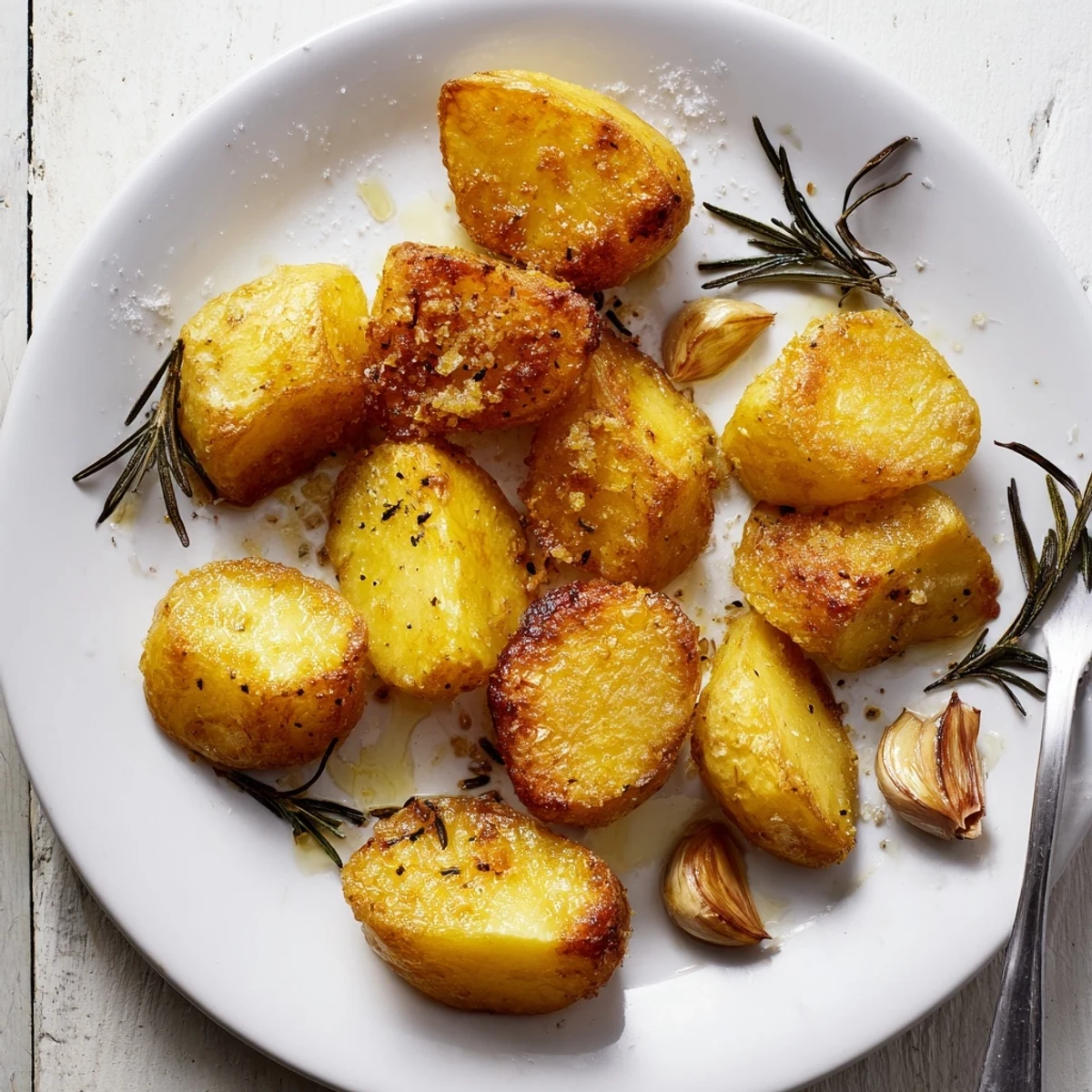
 These classic British roast potatoes deliver everything you want from the perfect side dish: golden, crispy exteriors giving way to light, fluffy interiors. The secret lies in par-boiling then roughening the surfaces before roasting in hot fat, creating those irresistible crunchy edges everyone loves.
Ready in just over an hour, these potatoes pair beautifully with roasted meats, grilled vegetables, or stand proudly alongside vegetarian mains. Duck or goose fat gives traditional crispiest results, though vegetable oil keeps them vegetarian-friendly.
The Christmas dinner was already running late, and I hadn't even started the potatoes yet. My grandmother calmly told me to stop rushing and start shaking the colander instead. That rough, chaotic motion in the sieve was the secret she'd been using for forty years, and the resulting crunch made everyone forget about the delay completely.
Last summer I made these for a group of friends who swore they didn't like roast potatoes. The duck fat convinced them otherwise, and by the end of dinner, the serving dish was completely empty except for a few discarded rosemary sprigs.
Ingredients
- 1.2 kg floury potatoes: Maris Piper, Yukon Gold, or Russet varieties work best because they break down slightly to create that coveted fluffy interior while maintaining structure during the long roast
- 1 tbsp sea salt for boiling: This seasons the potatoes from within, penetrating the starch during the par-cooking stage
- 80 ml duck fat, goose fat, or vegetable oil: Animal fats create unparalleled crispiness, though a neutral vegetable oil keeps things vegetarian
- 1 tsp fine sea salt: A finishing salt that adheres to the crispy exterior for final seasoning
- ½ tsp freshly ground black pepper: Adds gentle heat that balances the richness of the fat
- 4 garlic cloves, unpeeled: Optional aromatics that soften and sweeten as they roast alongside the potatoes
- 2 sprigs fresh rosemary or thyme: Herbaceous notes that infuse the fat with subtle earthiness
Instructions
- Preheat and prep:
- Heat your oven to 220°C and arrange the rack in the middle position while you peel and cut the potatoes into uniform chunks
- Par-boil the potatoes:
- Place potato chunks in a large pot with cold water and 1 tablespoon sea salt, then bring to a boil and simmer for 8-10 minutes until edges are barely tender
- Create the rough edges:
- Drain thoroughly in a colander, let them steam dry for 2 minutes, then shake vigorously to roughen the surfaces
- Heat the fat:
- Pour your chosen fat into a large roasting pan and heat in the hot oven for 5 minutes until shimmering and dangerously hot
- Coat and season:
- Carefully add potatoes to the hot fat, turn each piece to coat evenly, and tuck in the garlic and herbs if using
- First roast:
- Roast for 20 minutes, then use a spatula to turn each potato and sprinkle with salt and pepper
- Final crisp:
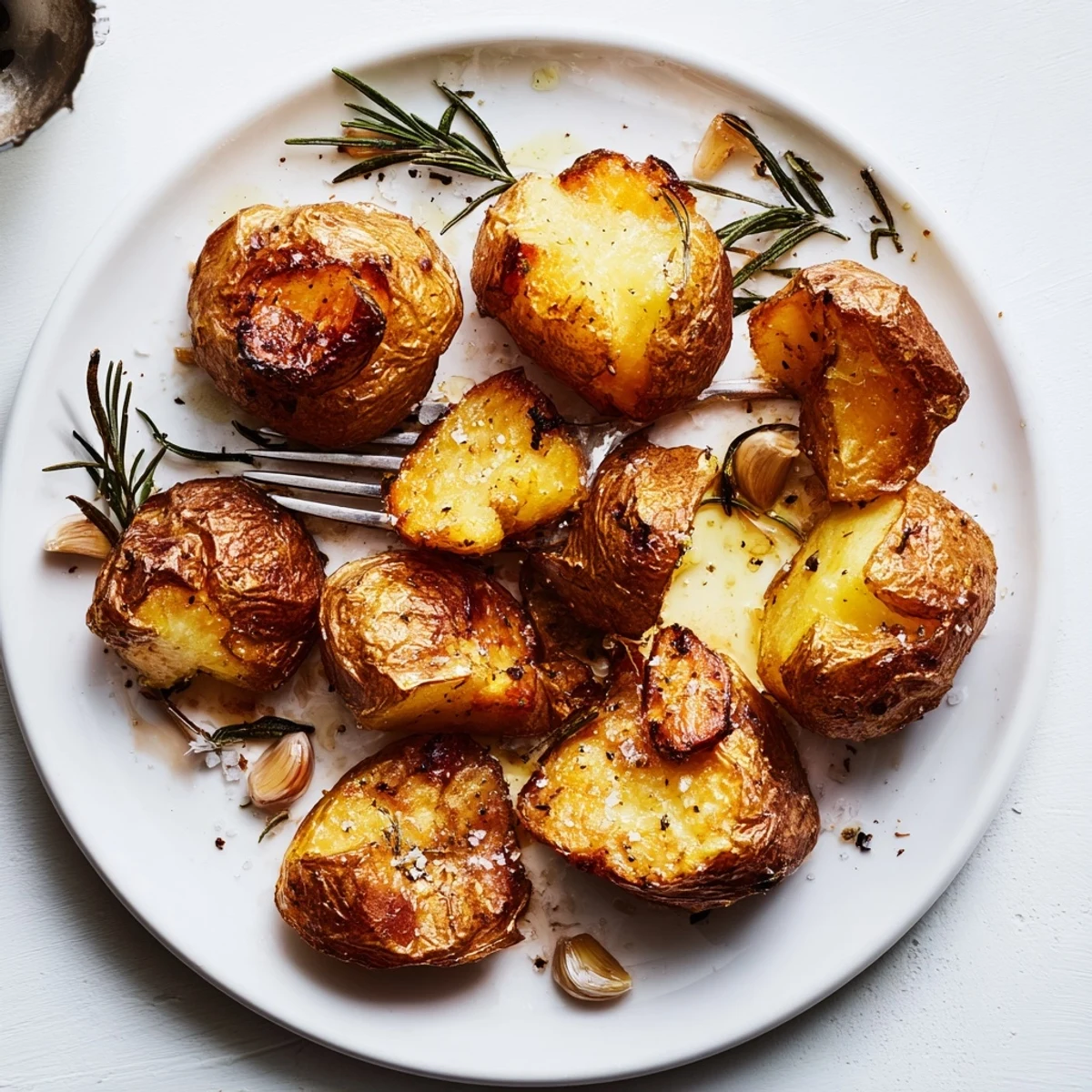
- Continue roasting for 25-30 more minutes, turning once midway, until deeply golden and audibly crunchy
- Rest briefly:
- Drain briefly on kitchen paper if needed, then serve immediately while they're still sizzling hot
 Save to Pinterest
 These potatoes have become my go-to comfort food during grey winter weekends when I need something satisfying and forgiving. The house fills with such a comforting aroma that neighbors have actually knocked on my door to ask what's cooking.
Choosing the Right Potato
Floury potatoes are non-negotiable here because their lower moisture content allows them to develop that fluffy cloud-like interior. Waxy potatoes will stay dense and disappointing, no matter how long you roast them or how much fat you use.
The Fat Question
Duck fat has been my revelation, creating the most shatteringly crisp exterior I've ever achieved, but it's not always practical or affordable. Vegetable oil performs remarkably well and keeps the dish accessible to everyone at the table.
Timing Your Roast
I've learned to start these about an hour before I want to eat, accounting for par-boiling and roasting time. The forgiving nature of roast potatoes means they can hold in a warm oven while you finish everything else without losing their magic.
- Skip the par-boiling step and your roast will never achieve that perfect crunch
- Consider adding a final 5-minute blast at 230°C for extra crunch if needed
- Season right after roasting while the fat is still hot and receptive
 Save to Pinterest
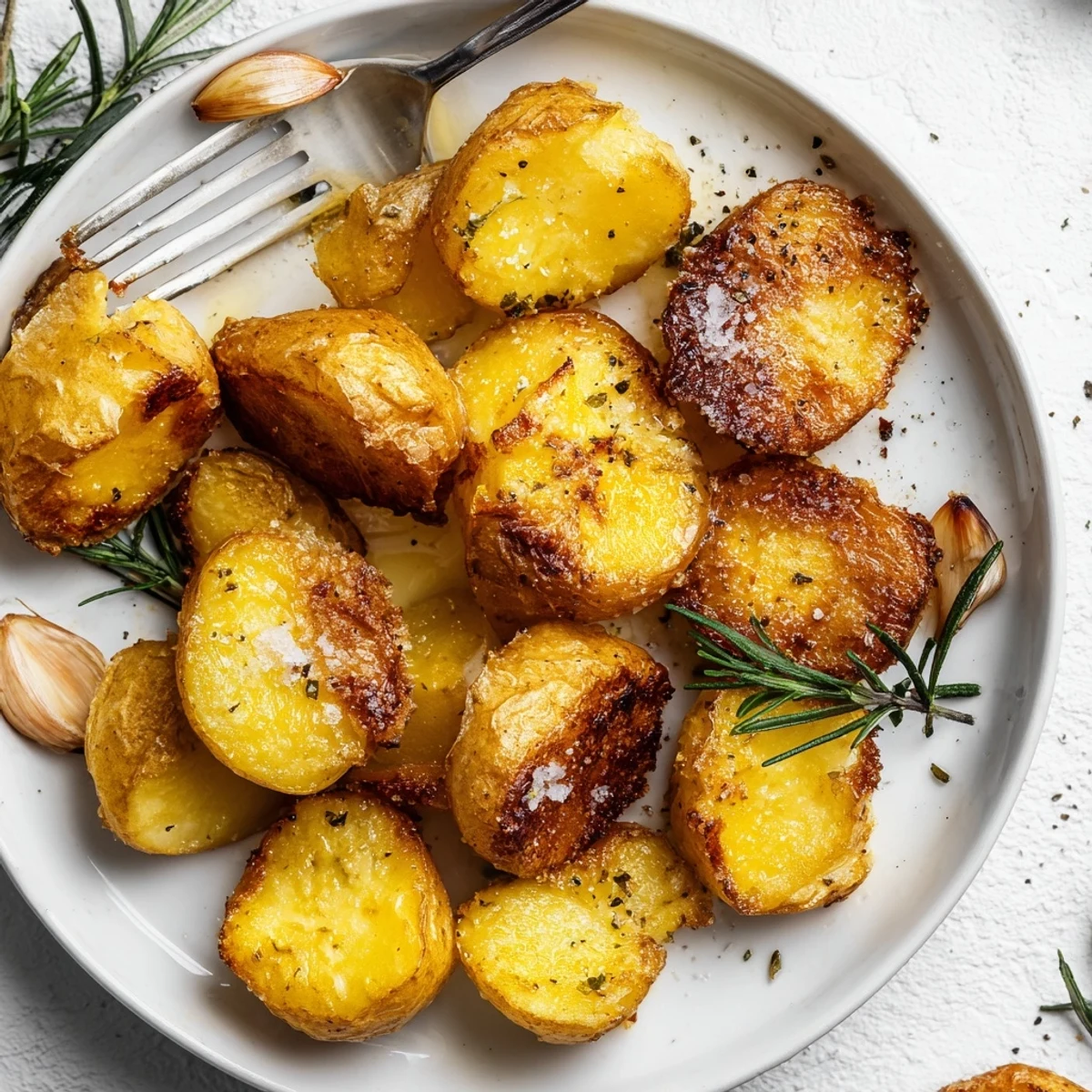
 Perfect potatoes are worth every minute of the process and become the dish everyone remembers most.
Recipe Questions & Answers
- → What potatoes are best for roasting?
-
Floury potatoes like Maris Piper, Yukon Gold, or Russet work best as their high starch content creates fluffy interiors while crisping beautifully on the outside.
- → Why do you shake the potatoes after boiling?
-
Shaking the colander roughens up the potato surfaces, creating more edges that become crispy and golden during roasting. This simple step maximizes crunchiness.
- → Can I make these ahead?
-
Par-boil and roughen the potatoes up to a day in advance, then refrigerate until ready to roast. Add a few extra minutes to cooking time if starting from cold.
- → What fat gives the best results?
-
Duck or goose fat yields the crispiest, most flavorful results with a rich traditional taste. Vegetable oil works perfectly for a lighter vegetarian version.
- → How do I keep them crispy?
-
Serve immediately for maximum crunch. If needed, keep warm in a low oven (150°C) uncovered rather than covering them, which causes steam and sogginess.
- → Can I add other flavors?
-
Garlic cloves, rosemary, or thyme add aromatic depth. Try smoked paprika or grated Parmesan tossed through during the last 10 minutes for extra flavor variations.