
 Save to Pinterest
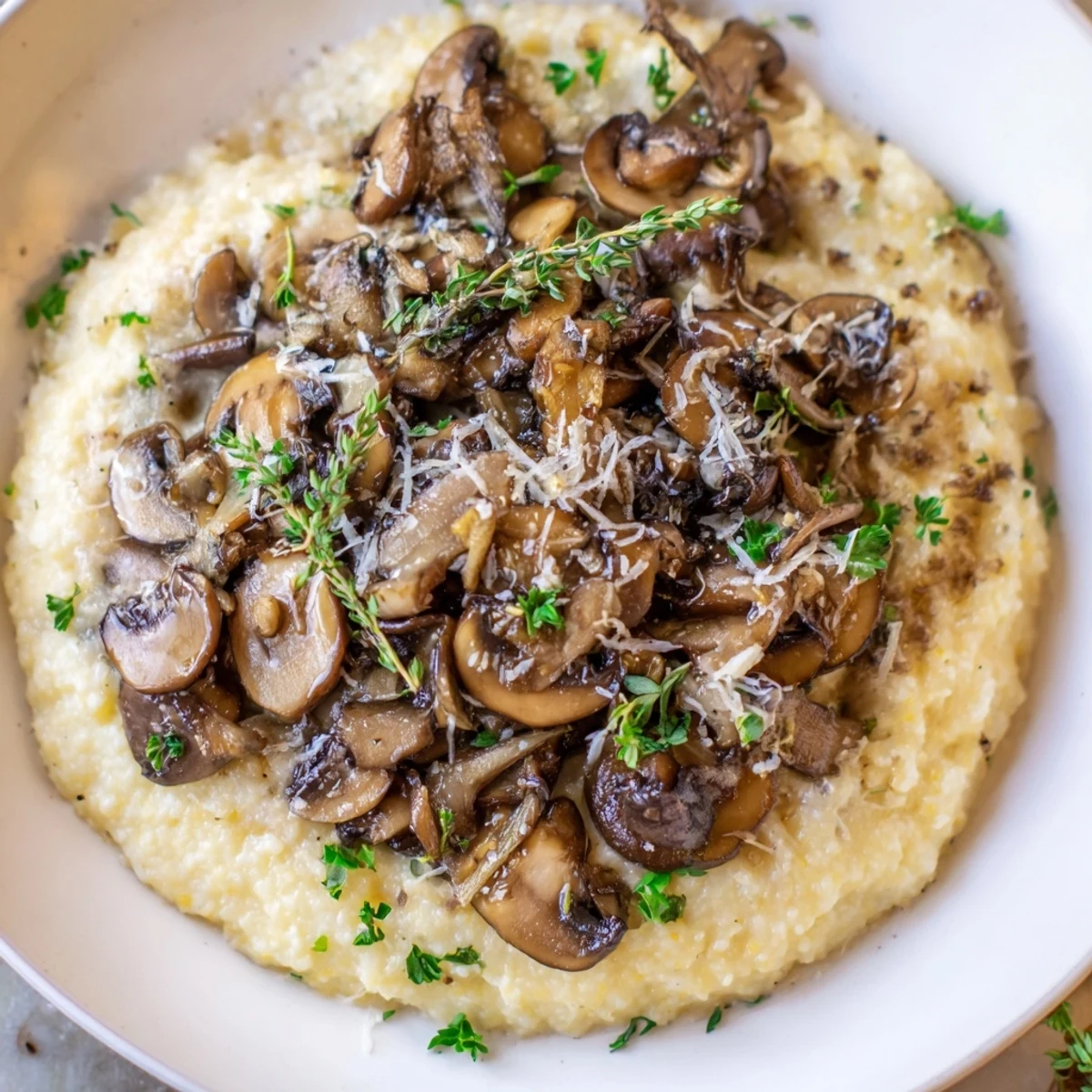
 This comforting dish combines gently cooked polenta with a rich topping of sautéed wild mushrooms, garlic, shallots, and fresh thyme. The polenta is slowly stirred to achieve a velvety texture, enhanced by butter and Parmesan. The mushroom medley is cooked with olive oil and white wine, bringing earthy flavors and a delicate herbal aroma. Perfect as a vegetarian and gluten-free main, this classic Italian-inspired plate suits any season and meal occasion.
There's something about a bowl of creamy polenta that stops time. I discovered this dish on a rainy October evening when a friend insisted we needed comfort food, nothing fancy, just something that would warm us from the inside out. We ended up in the kitchen together, and what started as her watching me cook turned into both of us hovering over the stove, drawn in by the aroma of butter and Parmesan melting into golden cornmeal. That night, polenta became less about technique and more about the feeling of being cared for.
I made this for my family last winter, and my dad—who usually picked at vegetarian dishes—asked for seconds and kept talking about the mushrooms. There was something about watching him savor every spoonful that made me realize this wasn't a side dish or a compromise meal. It was genuinely delicious, the kind of food that brings people to the table and keeps them there talking long after the bowls are empty.
Ingredients
- Coarse cornmeal (polenta): The foundation of everything—buy actual polenta, not instant, if you can. The texture difference is worth it, and it cooks in about thirty minutes anyway.
- Water and milk: The ratio matters because milk alone makes it too heavy, and water alone tastes thin. Together they create that signature silky body.
- Unsalted butter and Parmesan: Don't skip these or reduce them; they're not extras, they're the reason polenta tastes like polenta.
- Mixed wild mushrooms: Cremini, shiitake, oyster—whatever looks good at the market. Different mushrooms bring different earthiness, so variety makes it interesting.
- Garlic and shallot: The shallot especially adds sweetness that balances the mushrooms' umami without being obvious about it.
- Dry white wine: A splash that cooks off completely, leaving behind depth and a subtle brightness.
- Fresh thyme and parsley: Fresh herbs at the end change everything; dried just doesn't sing the same way.
Instructions
- Heat your liquid base:
- Bring the water and milk to a gentle simmer in a large saucepan over medium heat, then add salt. You want it steaming and ready, not boiling aggressively—aggressive heat causes lumps.
- Whisk in the cornmeal slowly:
- This is the moment that determines everything. Pour the cornmeal in steadily while whisking constantly—it should look like a river, not a avalanche. The whisk keeps everything suspended and smooth.
- Stir and wait:
- Drop the heat to low and stir frequently for the next 25–30 minutes. Your arm will get a little tired, but the polenta will transform from grainy and thin to thick and cloud-like. You'll know it's ready when a spoon drawn through it leaves a trail.
- Finish with richness:
- Stir in butter, Parmesan, and black pepper at the end, then taste and adjust. The polenta should taste like luxury in a bowl.
- Sauté your aromatics:
- While the polenta cooks, heat olive oil and butter in a large skillet over medium-high heat. Add the chopped shallot and let it turn translucent, about a minute—you're building flavor foundations here.
- Cook the mushrooms golden:
- Add minced garlic, cook just 30 seconds so it doesn't burn, then add all the mushroom slices. Sauté, stirring occasionally, until they're golden and any liquid they release has cooked off—this takes about 6–8 minutes and deepens their flavor.
- Deglaze with wine:
- Pour in white wine and fresh thyme leaves, letting the wine mostly evaporate, about 2 minutes. The wine picks up all the flavorful bits stuck to the skillet and transforms them into sauce.
- Taste and finish:
- Season the mushrooms with salt and pepper, then stir in fresh parsley off the heat so it stays bright green.
- Plate with intention:
- Spoon creamy polenta into bowls, top with sautéed mushrooms and their liquid, and garnish with extra thyme and Parmesan if you have it.
 Save to Pinterest
 There was a moment during that first time I made this where my friend leaned over and actually sighed at the smell of the mushrooms caramelizing. That sigh meant everything—it meant I'd created something that was reaching people through their senses before they even tasted it. Food that makes people pause is the food worth cooking.
Texture and Balance
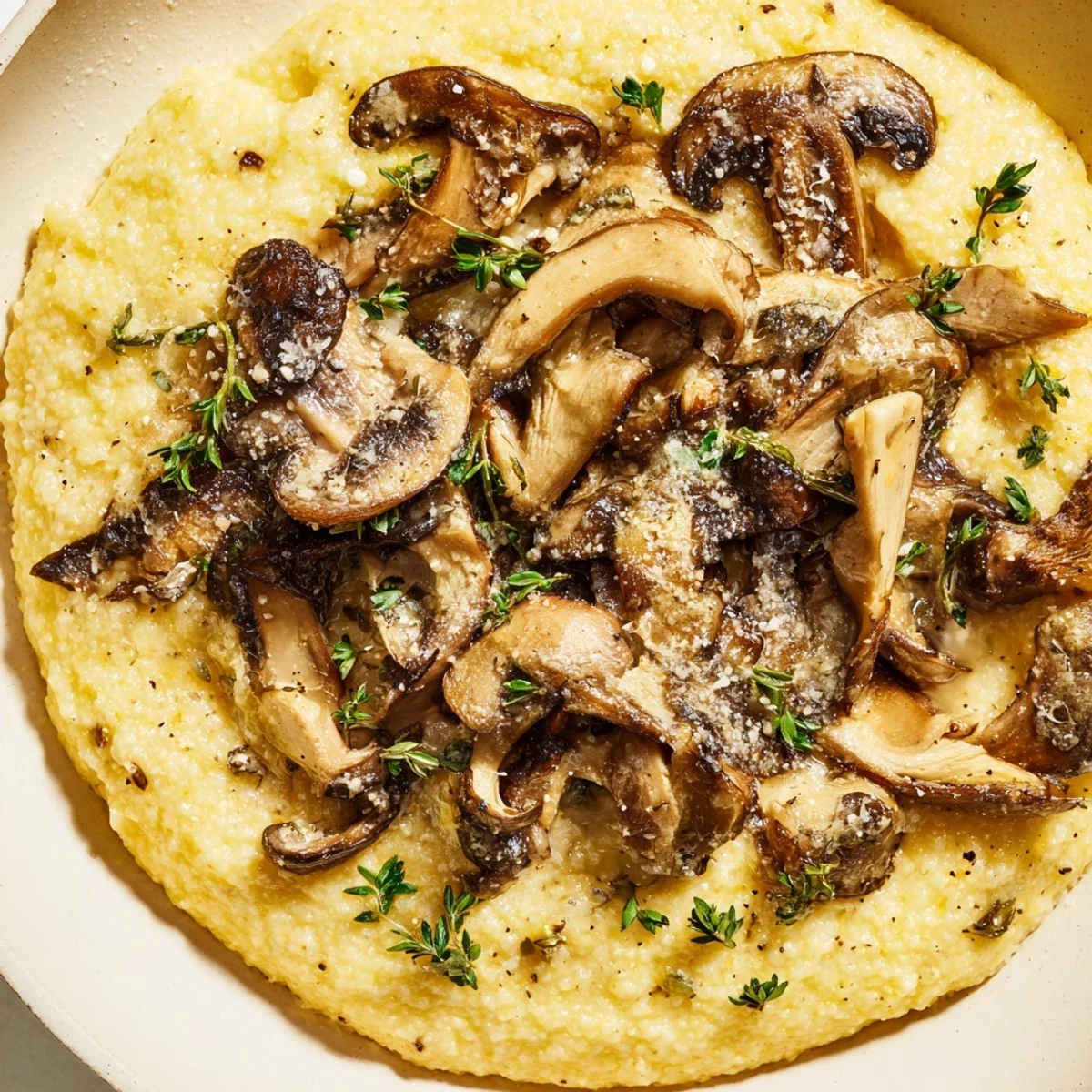
The magic of this dish is the contrast between the soft, almost velvety polenta and the meaty, golden mushrooms on top. The polenta should be thick enough to hold a spoon but creamy enough to flow slightly when you serve it—this balance is what makes it feel luxurious rather than heavy. The wine and thyme in the mushroom topping add brightness that cuts through the richness perfectly, keeping the whole dish from feeling one-note.
Flexibility and Variations
This recipe is more forgiving than it looks. If you can't find wild mushrooms, cremini and button mushrooms work beautifully—the technique is what matters, not the specific variety. Some nights I add a splash of cream to the mushroom sauce, other times I finish with a crumble of goat cheese for tanginess. The polenta base is so neutral that it welcomes nearly any seasonal vegetable or herb you want to pair with it. For a vegan version, use plant-based milk and butter, skip the Parmesan, and the dish still sings.
Serving and Pairing
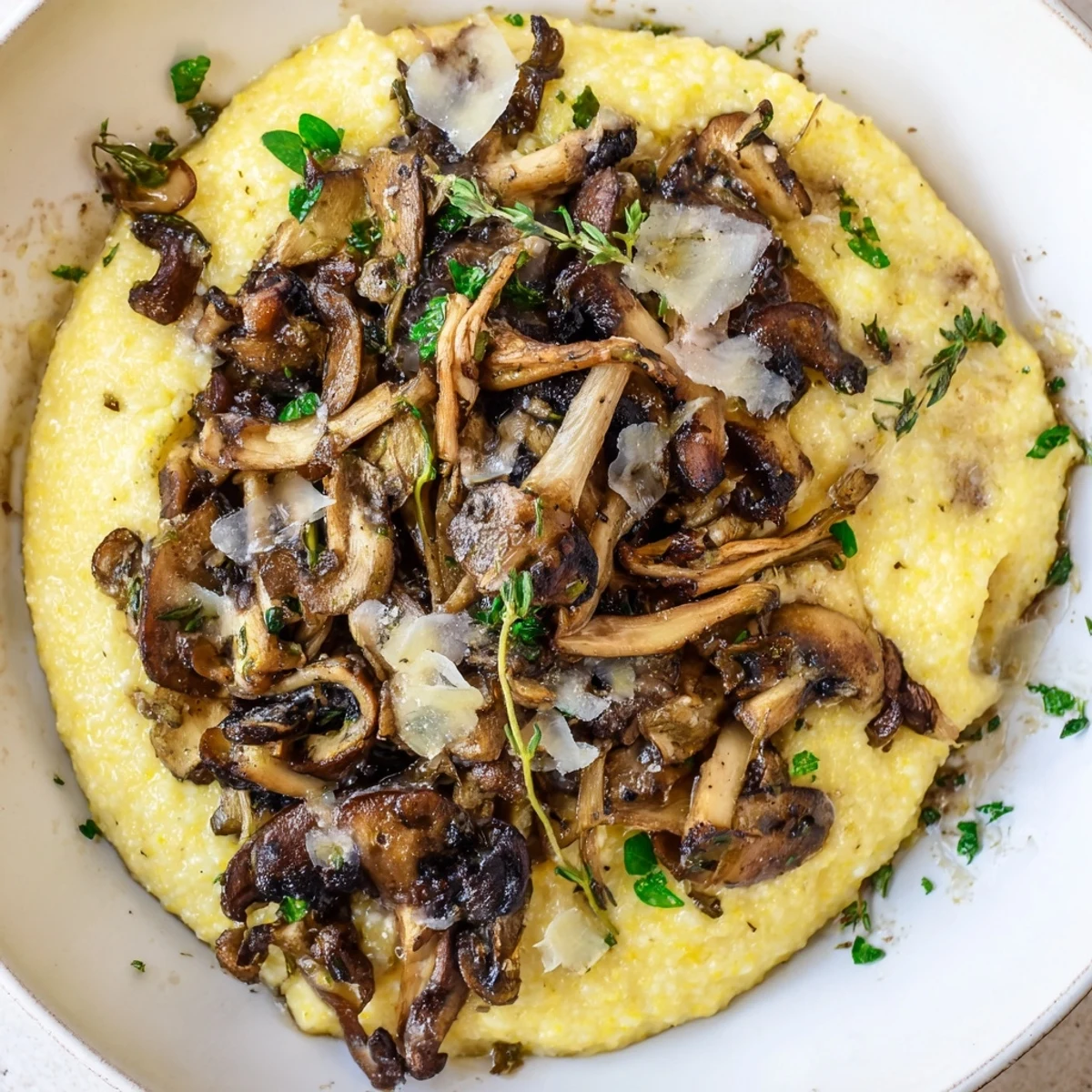
Serve this in shallow bowls where you can appreciate both the creamy base and the mushroom topping in every spoonful. A crisp Italian white wine like Pinot Grigio or Vermentino alongside is perfect—the acidity echoes the brightness of the thyme and balances the richness. If you want a salad, keep it simple and sharp: arugula with lemon vinaigrette, nothing that competes with the polenta.
- Polenta is best served immediately after cooking while it's still warm and creamy.
- You can make the polenta ahead and reheat it gently with a splash of milk if needed, though fresh is always better.
- Leftover polenta sets firm in the fridge and can be sliced, pan-fried until crispy, and topped with almost anything the next day.
 Save to Pinterest
 This is the kind of food that teaches you something every time you make it. When you get it right, you'll understand why polenta has been comfort food for centuries.
Recipe Questions & Answers
- → What type of mushrooms work best for this dish?
-
A mix of wild mushrooms like cremini, shiitake, and oyster adds depth and earthiness to the topping. You can also use cultivated mushrooms if needed.
- → How do you achieve creamy polenta without lumps?
-
Slowly whisk the cornmeal into simmering water and milk, stirring frequently over low heat until thick and smooth, which typically takes 25–30 minutes.
- → Can this be adapted for a vegan diet?
-
Yes, substitute plant-based milk and vegan butter, and omit the Parmesan cheese for a vegan-friendly version.
- → What wine pairs well with this dish?
-
A crisp Italian white wine like Pinot Grigio complements the earthy mushrooms and creamy polenta beautifully.
- → How should leftovers be stored?
-
Store cooled leftovers in an airtight container in the refrigerator for up to 3 days. Reheat gently with a splash of milk or water to restore creaminess.
- → Is this dish gluten-free?
-
Yes, using cornmeal polenta and ensuring cheese and other ingredients are gluten-free makes this dish suitable for gluten-free diets.