
 Save to Pinterest
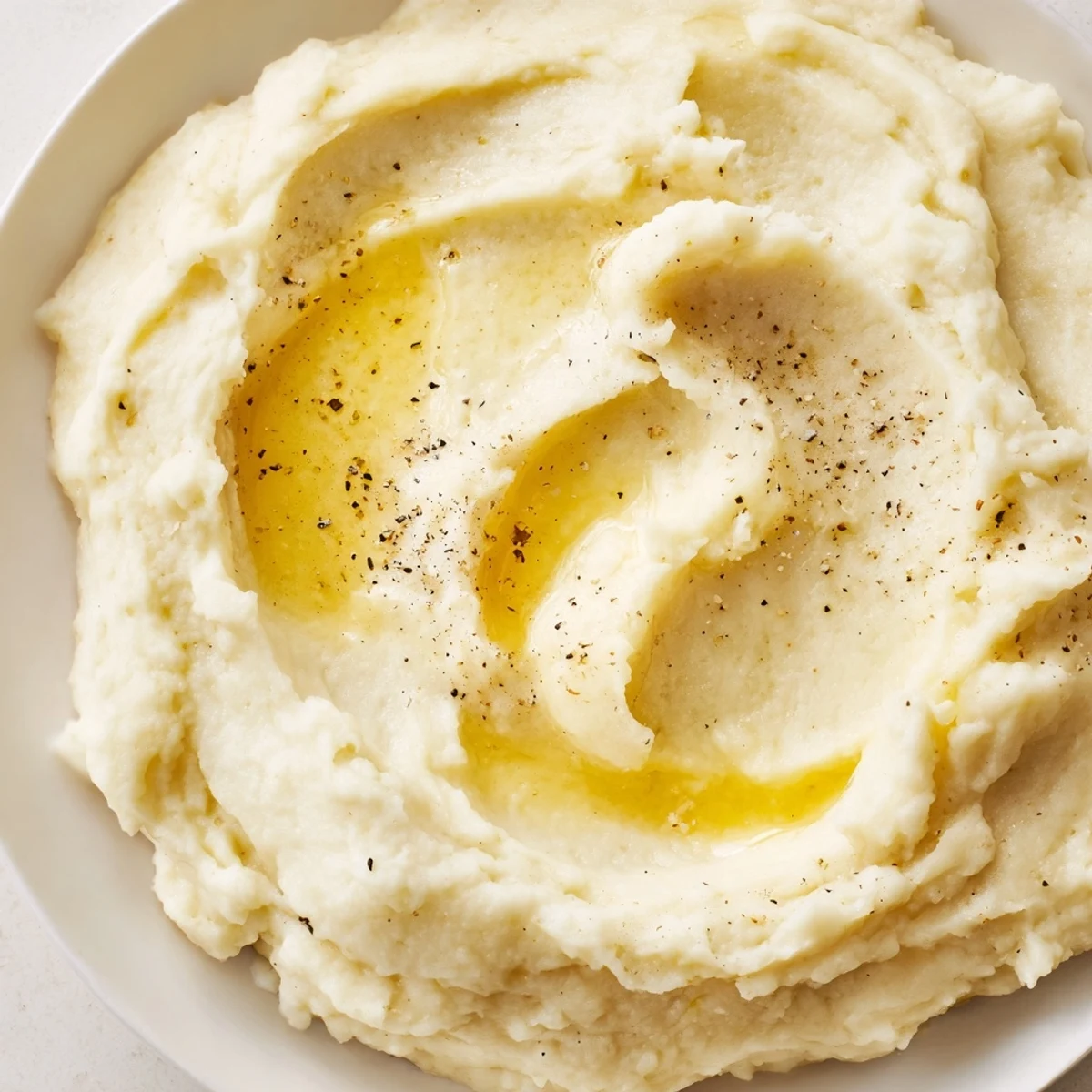
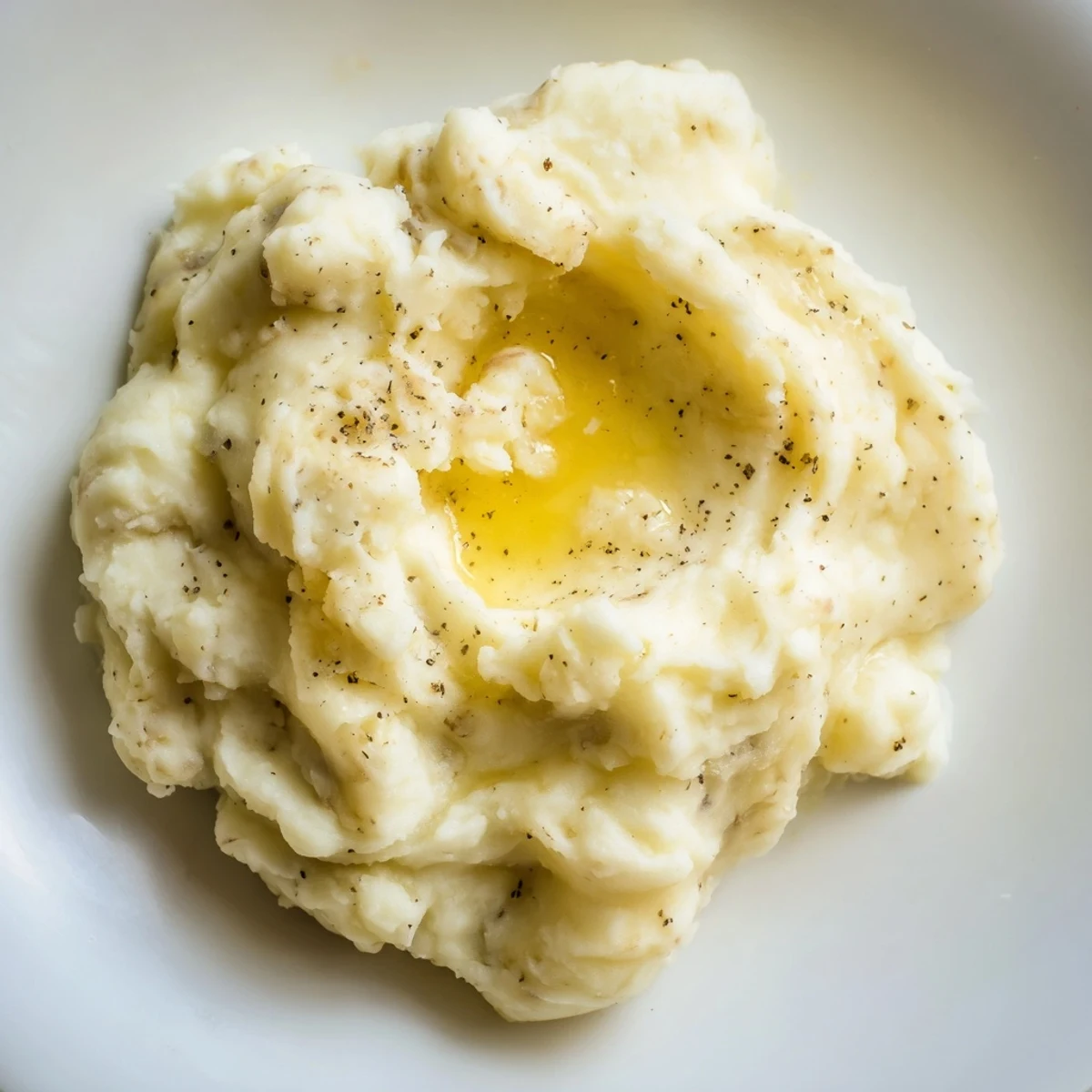
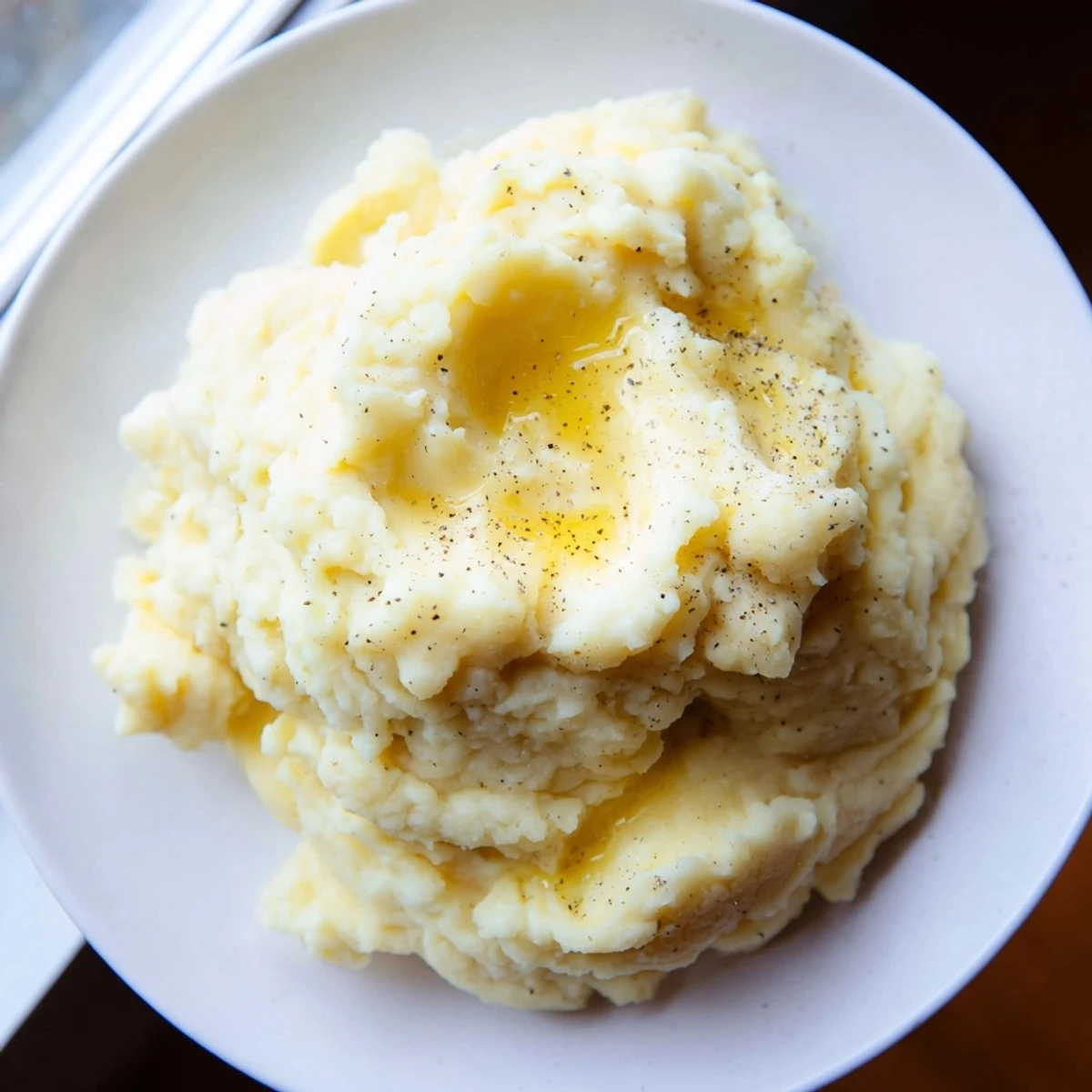
 Create the ultimate comfort food with these creamy mashed potatoes. Starting with Yukon Gold or Russet varieties, you'll boil them until fork-tender before mashing with butter and warm milk. The result is irresistibly fluffy, smooth, and rich—perfect alongside roast meats, stews, or as a standalone comfort. Ready in just 30 minutes, this classic side dish delivers restaurant-quality results with minimal effort.
Last Thanksgiving, I watched my grandmother make mashed potatoes completely by feel—no measuring cups, no timer, just knowing. The butter she used was practically art, softened to room temperature while the potatoes boiled, and she insisted warm milk was the secret nobody talks about. I've never quite replicated hers perfectly, but getting close feels like winning.
I made these for a friend who swore she hated mashed potatoes—turns out she'd just been eating the boxed stuff her whole life. Watching her take that first skeptical bite, then immediately reach for seconds, was genuinely satisfying. Sometimes the simplest dishes are the ones that surprise people the most.
Ingredients
- Yukon Gold or Russet potatoes: Yukon Golds have natural butteriness and hold their shape better, but Russets make fluffier potatoes—both work beautifully
- Unsalted butter: Room temperature butter melts into the potatoes more evenly, creating that velvety texture without leaving greasy pockets
- Warm whole milk: Cold milk shocks the potatoes and makes them gummy—warming it first is the game-changer most home cooks miss
- Salt and black pepper: Salt the boiling water generously, since potatoes absorb flavor while they cook, and adjust seasoning at the end
Instructions
- Boil the potatoes:
- Cover potato chunks with cold water and add salt—starting with cold water helps them cook evenly
- Simmer until tender:
- Cook for 15-20 minutes until a fork slides through easily, testing a few pieces to avoid undercooking
- Drain and dry:
- Let the drained potatoes sit in the hot pot for a minute to evaporate excess moisture—this step prevents watery mash
- Add the dairy:
- Pour in warm milk and add butter, then mash until smooth, tasting and adjusting salt as you go
- Serve immediately:
- Mashed potatoes are best right away, but you can keep them warm in a covered bowl over simmering water
 Save to Pinterest
 My nephew announced these were better than restaurant mashed potatoes, which honestly felt like the highest compliment imaginable. There's something about homemade comfort food that just hits different, especially when it's this simple to get right.
Making Them Extra Creamy
Swapping half the milk for heavy cream transforms the texture into something restaurant-worthy. A dollop of sour cream added at the end creates tangy richness that people can never quite identify. Grated parmesan folded in makes them savory and umami-packed in the best way.
Flavor Variations
Roasted garlic mashed potatoes are divine—just roast a head of garlic and mash the cloves right in with the butter. Fresh chives add brightness and color that cuts through the richness. Horseradish creates a surprising kick that pairs beautifully with roast beef.
Common Mistakes to Avoid
Most home cooks rush the draining step and end up with watery potatoes. Using cold milk instead of warm is the other biggest error people make. Over-mashing with electric mixers turns fluffy potatoes into paste.
- Don't skip salting the boiling water
- Let potatoes drain completely before mashing
- Warm your milk in the microwave or on the stove
 Save to Pinterest
 Good mashed potatoes are worth making from scratch, every single time.
Recipe Questions & Answers
- → What type of potatoes work best?
-
Yukon Gold potatoes naturally yield creamier results due to their medium starch content and buttery flavor. Russets work wonderfully too—they're high-starch and create fluffier textures. Avoid waxy varieties like red potatoes, which can become gummy when mashed.
- → Why warm the milk before adding?
-
Warm milk incorporates more easily into hot potatoes, creating a smoother consistency without cooling down your dish. Cold milk can cause the butter to solidify and lead to lumpy or uneven texture.
- → How do I avoid gluey mashed potatoes?
-
Avoid over-mashing, which releases excess starch and creates a gummy texture. Use a potato masher or ricer instead of a food processor. Also, drain cooked potatoes thoroughly and let them steam briefly in the hot pot to evaporate excess moisture.
- → Can I make these ahead?
-
Absolutely. Prepare your mashed potatoes up to 2 hours before serving. Keep them warm in a heat-proof bowl over a pot of simmering water, stirring occasionally. When ready to serve, reheat gently with a splash of warm milk to restore creaminess.
- → What dairy-free alternatives work?
-
Substitute unsalted plant-based butter for regular butter. Use unsweetened almond, oat, or soy milk in place of whole milk. For extra richness, add a splash of coconut cream or olive oil to mimic the velvety texture dairy provides.