
 Save to Pinterest
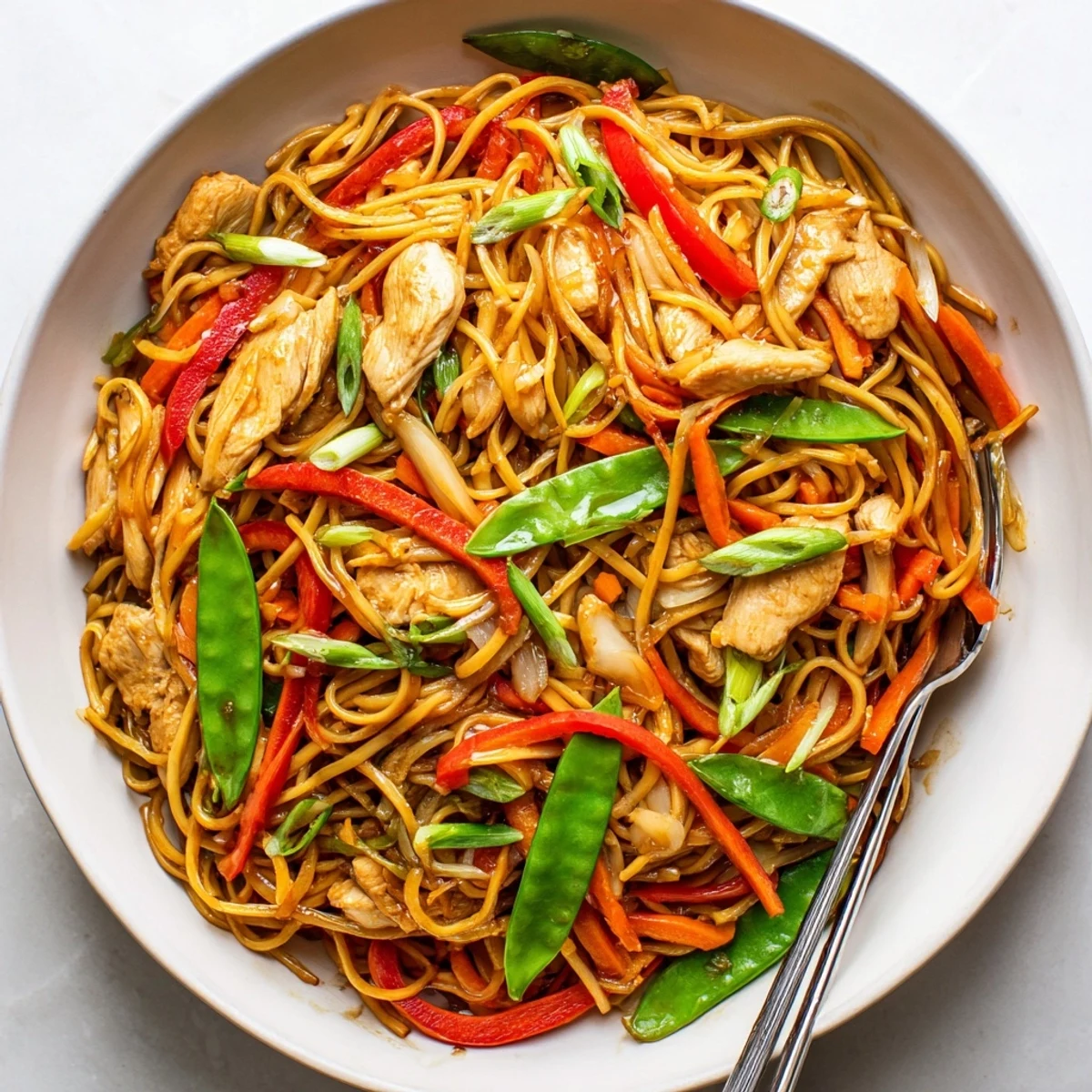
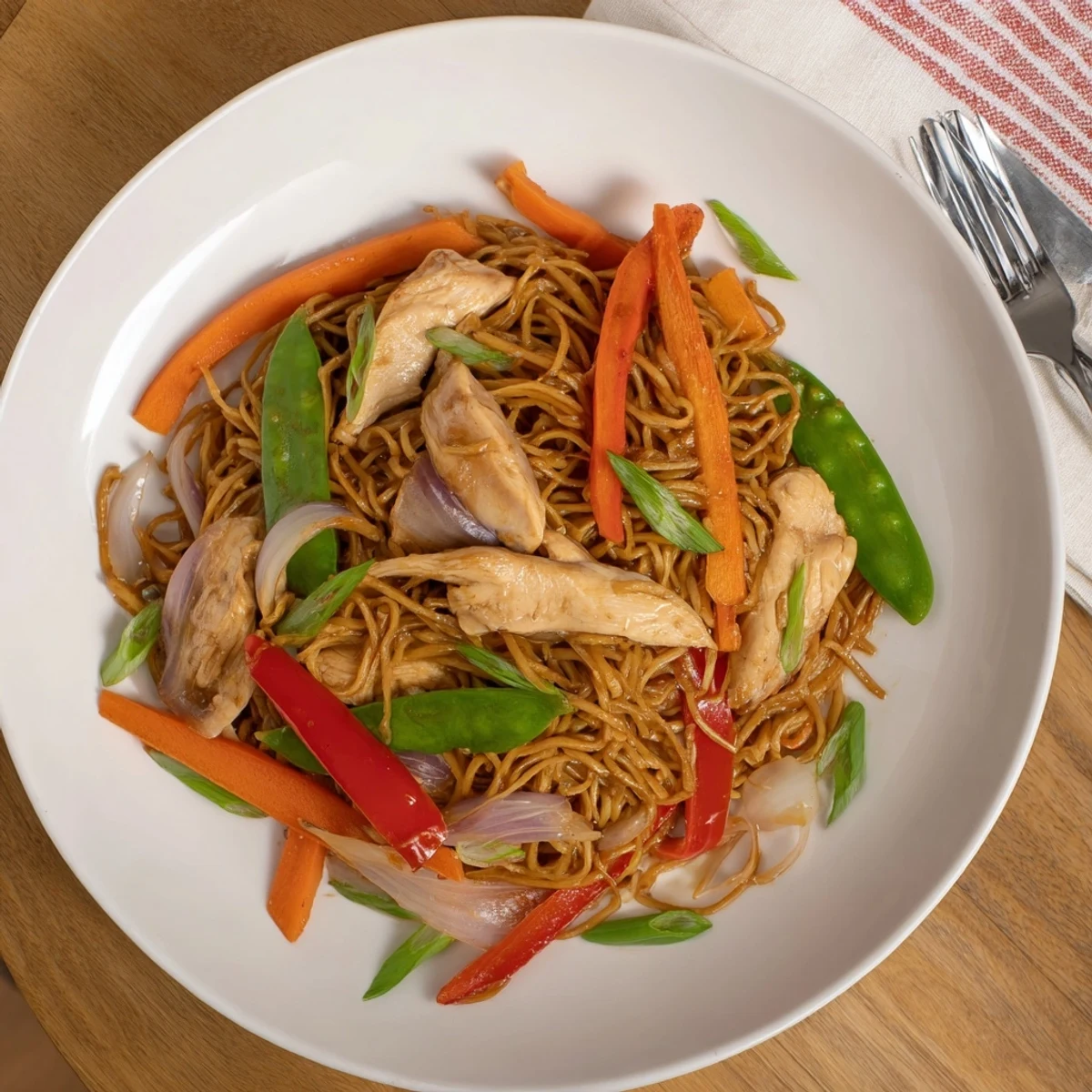
 This classic Chinese stir-fried noodle dish features tender marinated chicken breast, crisp vegetables like bell peppers, carrots, and snow peas, all tossed in a savory sauce made with soy, oyster, and hoisin sauces. Ready in just 35 minutes, this satisfying meal delivers restaurant-quality flavor with perfect texture contrast between the soft egg noodles and crunchy vegetables. The dish is naturally dairy-free and easily customizable with your favorite proteins or vegetables.
My tiny apartment kitchen filled with the incredible aroma of ginger and garlic hitting hot oil, and I knew takeout nights were officially over. The wok hissed and sputtered as vegetables hit the metal, and I laughed when a snow pea escaped onto the floor. There's something deeply satisfying about achieving those smoky, caramelized flavors at home that delivery just never quite captures.
Last Tuesday, after an unexpectedly chaotic day, I threw this together while catching up with my sister on speakerphone. She kept asking what smelled so amazing, and I honestly felt like a kitchen wizard when everything came together in minutes. We ate it straight from the wok, standing up, because waiting for plates seemed ridiculous.
Ingredients
- Chicken breast: Thinly slicing against the grain makes every bite tender and absorbs the marinade beautifully
- Cornstarch: The secret to velveting chicken that stays juicy even over high heat
- Sesame oil: Just a teaspoon adds that unmistakable nutty depth that shouts Chinese takeout
- Soy sauce, oyster sauce, hoisin sauce: This trio creates that perfectly balanced umami rich sauce that coats every strand
- Chow mein noodles: Egg noodles hold up best to the vigorous tossing and absorb the sauce without turning mushy
- Garlic and onion: The aromatic foundation that builds layers of flavor in seconds
- Carrot, bell pepper, snow peas: A colorful mix that stays crisp tender and adds sweetness to balance the savory sauce
- Bean sprouts: They add the most satisfying crunch and a fresh element right at the end
Instructions
- Marinate the chicken:
- Toss sliced chicken with soy sauce, cornstarch and sesame oil, then let it rest while you prep everything else
- Mix the sauce:
- Whisk together soy sauce, oyster sauce, hoisin, sugar, white pepper and water until smooth
- Cook the noodles:
- Boil noodles according to package directions, rinse under cold water, and toss with a little oil to stop sticking
- Sear the chicken:
- Heat oil in a wok over high heat until smoking, add chicken and stir fry until just cooked through
- Char the vegetables:
- Add more oil, garlic and onion, then toss in carrots, peppers and snow peas until they develop slight color
- Bring it all together:
- Return chicken to the wok with noodles, bean sprouts and spring onions, pour in sauce and toss furiously until everything is glossy and coated
 Save to Pinterest
 This became my go to after my neighbor smelled it cooking and knocked on my door, chopsticks in hand, asking if there was enough to share. We ended up eating together at her tiny kitchen table, and now chow mein nights are a weekly tradition that neither of us will ever give up.
The Art of High Heat Cooking
Working over high heat intimidates many home cooks, but it is the only way to achieve that restaurant quality sear on vegetables and meat. The wok should be smoking slightly before ingredients hit the surface, and you must keep everything moving constantly to prevent burning while still developing those caramelized spots that carry such concentrated flavor.
Building Your Sauce Profile
Every Chinese cook has their preferred ratio of soy to oyster to hoisin sauce, and this particular blend hits salty, sweet and umami notes in perfect proportion. Taste your sauce before adding it to the wok and adjust with a pinch more sugar or dash of soy sauce until it balances exactly how you like it.
Noodle Selection Secrets
Fresh egg noodles yield the most authentic texture, but dried chow mein noodles work beautifully when properly prepared. The key is rinsing them under cold water after cooking to wash away excess starch and tossing with oil immediately so they do not clump together before hitting the wok.
- Undercook noodles by one minute since they finish cooking in the sauce
- Reserve a splash of noodle water to loosen the sauce if needed
- Skip the oil toss if using immediately to help the sauce adhere better
 Save to Pinterest
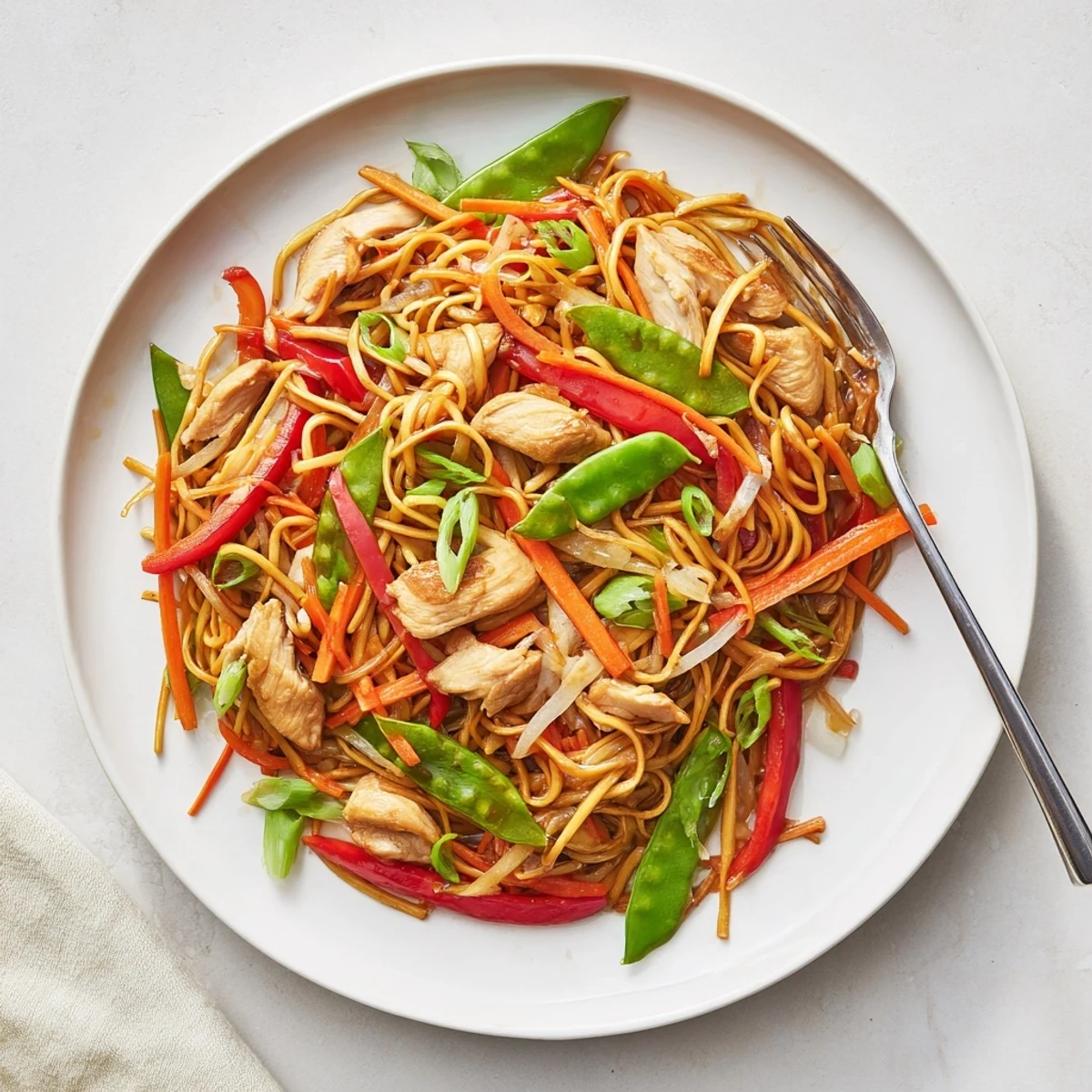
 Garnish with extra spring onions and maybe some crispy fried onions on top. This chow mein will disappear faster than you can imagine.
Recipe Questions & Answers
- → What is the difference between chow mein and lo mein?
-
Chow mein uses noodles that are stir-fried until crispy or cooked until firm, while lo mein uses fully boiled soft noodles that are tossed with sauce. Chow mein typically has a drier, crispier texture compared to the softer, saucier lo mein.
- → Can I make this dish ahead of time?
-
While best served immediately, you can prepare the components ahead. Marinate the chicken and mix the sauce up to 24 hours in advance. Cook noodles and chop vegetables a few hours before. Stir-fry everything just before serving for optimal texture and freshness.
- → What noodles work best for chow mein?
-
Traditional chow mein noodles or egg noodles work best. Look for thin to medium egg noodles labeled as chow mein noodles. If unavailable, spaghetti or linguine can be used as a substitute, though they won't have quite the same authentic texture.
- → How do I prevent the noodles from sticking together?
-
After cooking and draining the noodles, rinse them thoroughly under cold water to remove excess starch. Toss them with a teaspoon of oil immediately after rinsing. This coating prevents sticking and helps them separate during stir-frying.
- → Can I substitute the oyster sauce?
-
If you can't use oyster sauce due to allergies or preference, substitute with additional hoisin sauce mixed with a splash of fish sauce or mushroom stir-fry sauce. Vegetarian mushroom oyster sauce is also widely available in Asian markets.
- → Why is my chow mein soggy?
-
Soggy chow mein usually results from overcrowding the wok, which lowers the cooking temperature, or using noodles that weren't drained properly. Cook in batches if needed and ensure your wok is hot before adding ingredients. Don't overcook the noodles initially.