
 Save to Pinterest
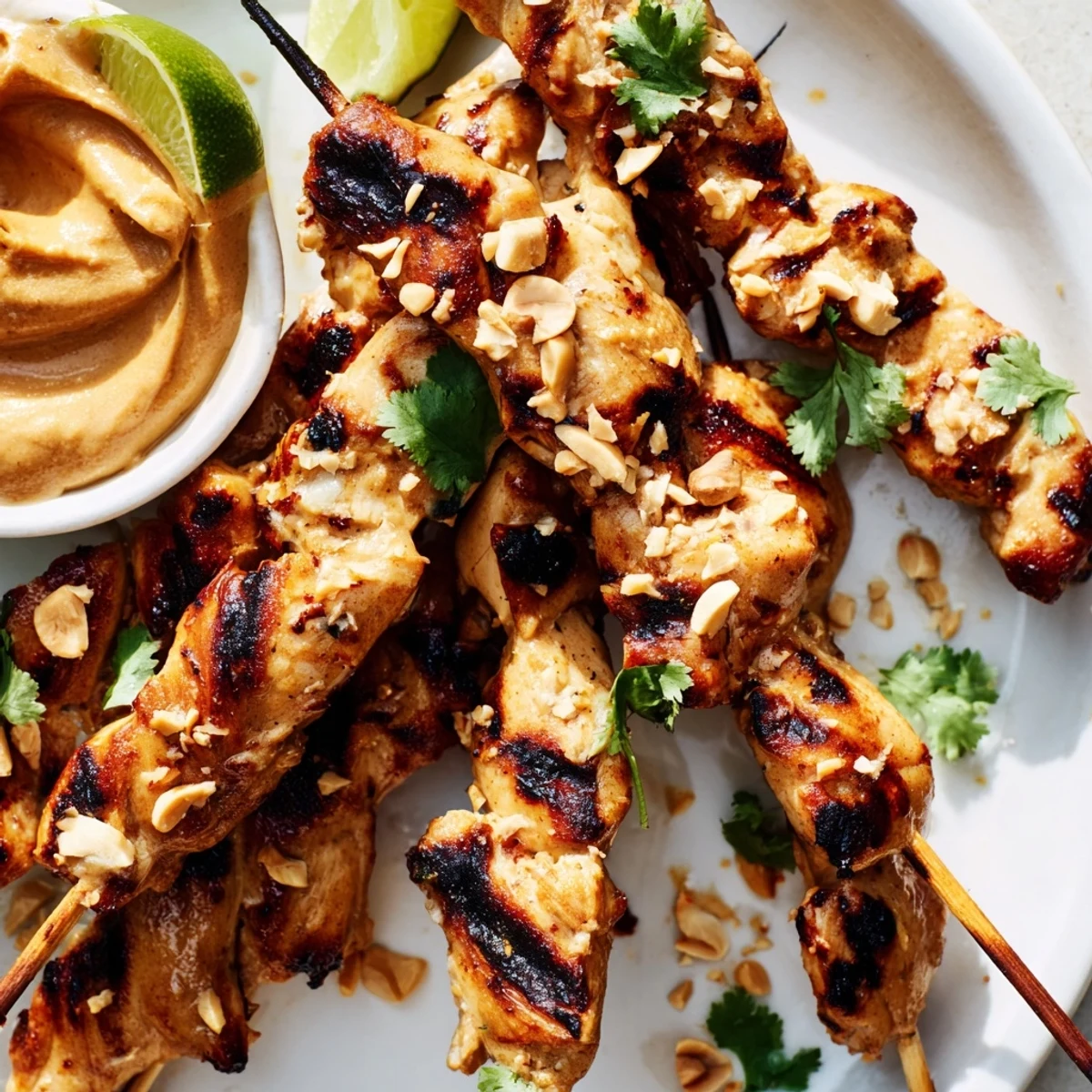
 Enjoy tender chicken pieces marinated in a blend of soy, garlic, ginger, and aromatic spices, then grilled to juicy perfection on skewers. Paired with a smooth, creamy peanut sauce made from peanut butter, coconut milk, and zesty lime, this dish offers a burst of Southeast Asian flavors. Garnished with fresh cilantro, lime wedges, and crushed peanuts, it provides a delightful combination of texture and taste. Ideal as a starter or main, it’s simple to prepare and perfect for gatherings.
My first batch of chicken satay came from watching my neighbor grill over a backyard fence one humid evening—the smell of charred chicken mixed with roasted peanuts pulled me right over with a cold beer in hand. She handed me a skewer still warm from the grates, dripping with this luxurious peanut sauce that somehow tasted both rich and bright at the same time. I spent the next week trying to reverse-engineer it in my own kitchen, tinkering with ratios until something clicked. Now this is the dish I reach for when I want to feel like I'm hosting something special without spending all day in the kitchen.
I made these for my sister's surprise birthday dinner last summer, threading the chicken onto skewers while she was still upstairs getting ready, then timing the grill so everything would come off hot and smoky exactly as people sat down. Someone asked for the recipe before dessert even arrived, which doesn't happen often and still makes me smile.
Ingredients
- Boneless, skinless chicken thighs or breasts, cut into 2 cm strips: Thighs won't dry out on the grill the way breasts can, but both work—just watch breasts more carefully so they don't overcook.
- Soy sauce or tamari: This is your umami base; if you're gluten-free, tamari swaps in without changing anything.
- Fish sauce: Yes, it smells funky in the bottle, but a tablespoon just deepens everything without making it taste fishy.
- Brown sugar, garlic, ginger: Together these three create the sweet-spicy backbone that makes people ask what's in this.
- Ground coriander and cumin: These spices are what separate homemade satay from just grilled chicken—don't skip them.
- Vegetable oil and lime juice: The oil helps the marinade coat everything evenly; the lime adds brightness that cuts through the richness.
- Bamboo skewers soaked in water: Soaking prevents charring, but honestly a little char on the wood adds flavor—soak them anyway.
- Creamy peanut butter: Use the real stuff, not the natural kind that separates; the emulsifiers help everything stay silky.
- Coconut milk: This is what transforms peanut butter into sauce, adding sweetness and body without needing cream.
- Chili garlic sauce or Sriracha: A teaspoon is enough heat to make you feel it without overwhelming the peanuts.
- Fresh cilantro, lime wedges, crushed roasted peanuts: These finishes aren't optional—they add texture and brightness that the skewers need.
Instructions
- Build your marinade:
- Whisk together soy sauce, fish sauce, brown sugar, minced garlic, ginger, coriander, cumin, oil, and lime juice in a bowl—the mixture should smell savory and warm, with the spices just starting to bloom. This is where the magic lives, so taste it and trust your instincts about whether it needs more lime or heat.
- Coat the chicken:
- Toss your cut chicken with the marinade until every piece is glossy and covered, then cover the bowl and let it sit in the fridge for at least 30 minutes. If you have time to let it sit longer, even overnight, the chicken will taste deeper and more interesting.
- Make the peanut sauce while waiting:
- Set a small saucepan over low heat and whisk peanut butter with coconut milk until it starts to loosen and smooth out. Add soy sauce, brown sugar, lime juice, chili sauce, fish sauce, and minced garlic, stirring constantly so nothing sticks or seizes—the sauce should smell creamy and slightly spicy, with lime cutting through everything.
- Adjust the sauce consistency:
- If it's too thick, add warm water a tablespoon at a time until it flows easily but still clings to a spoon. Taste it now and adjust—more lime if it needs brightness, more chili if you want heat—because you won't have time once the grill is hot.
- Thread the skewers:
- Take a piece of marinated chicken and slide it onto a soaked skewer, then another piece, filling each skewer with 5–7 pieces depending on their size. The chicken pieces should touch but not be crammed so tight that they cook unevenly.
- Get your grill ready:
- Heat a grill or grill pan to medium-high heat, then lightly oil the grates with a folded paper towel dipped in vegetable oil and held with tongs. You'll know it's hot enough when a drop of water beads and rolls across the surface.
- Grill with intention:
- Place skewers on the hot grates and don't move them for 3–4 minutes—this is when the magic happens and the outside develops a light char while inside stays juicy. Flip them once and grill another 3–4 minutes until the chicken is cooked through and the edges are caramelized, which you'll see as slightly darker, burnished edges.
- Finish and serve:
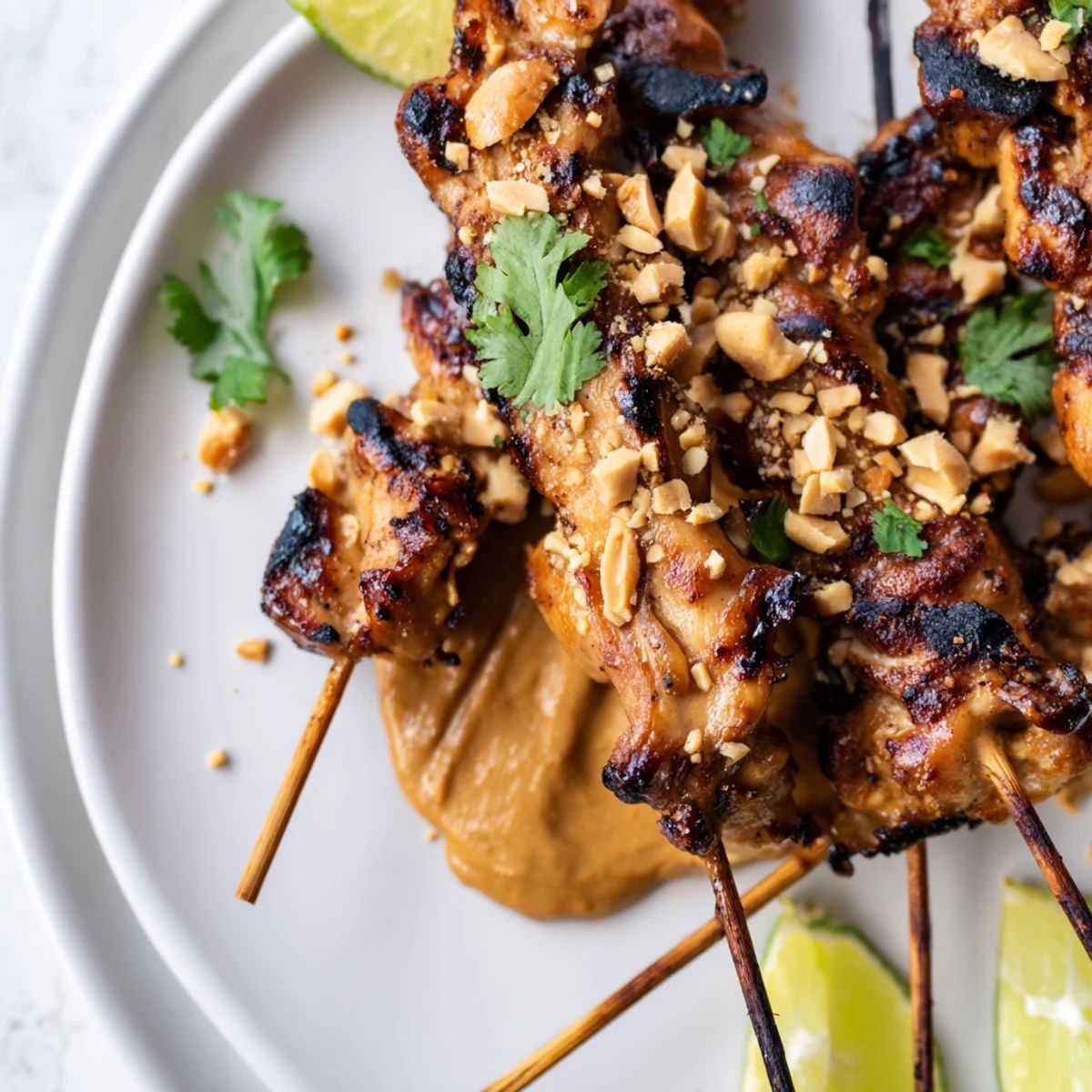
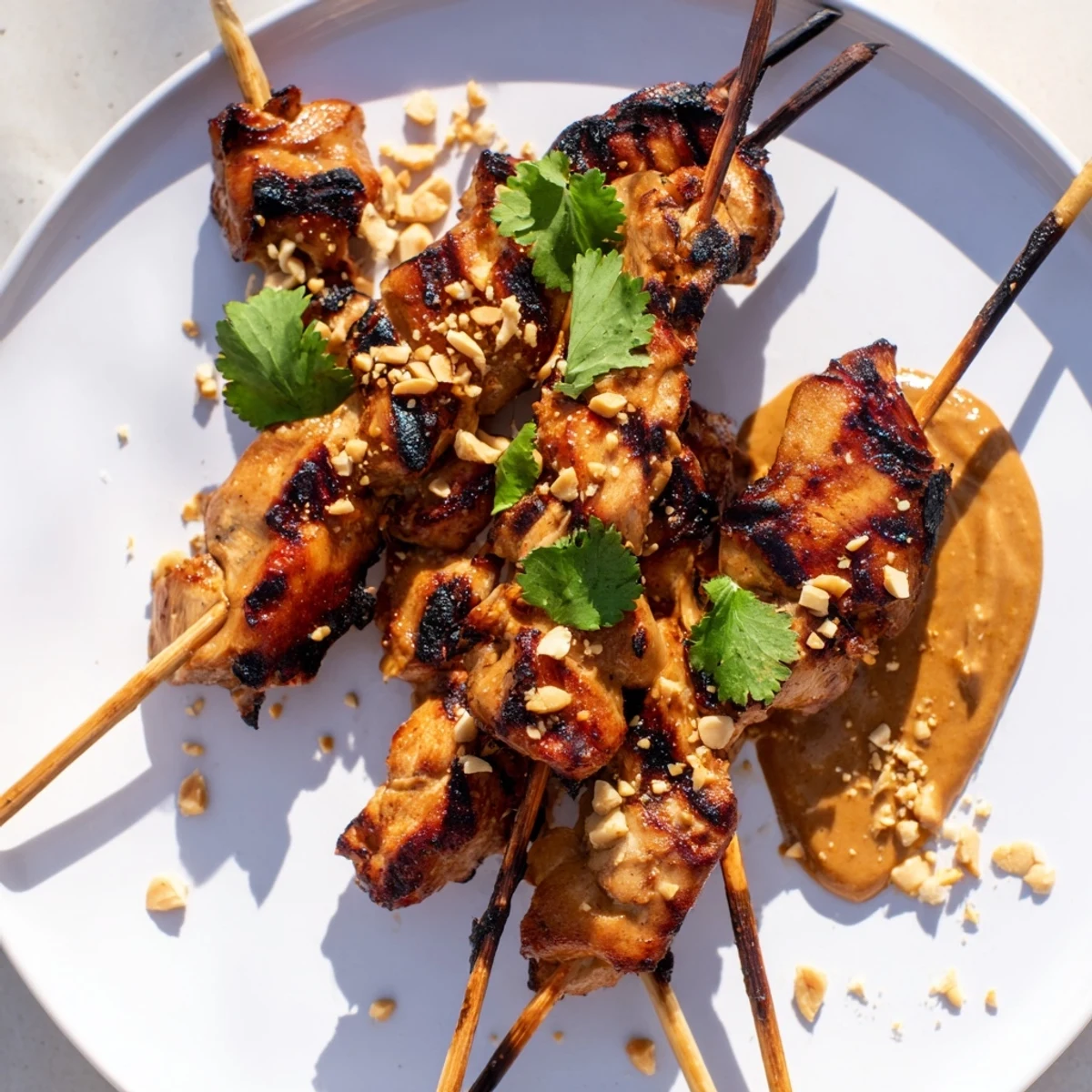
- Pull the skewers from the heat while they're still hot and arrange them on a platter, then drizzle with peanut sauce or pour it into a small bowl for dipping. Top with fresh cilantro, a sprinkle of crushed peanuts, and lime wedges for squeezing.
 Save to Pinterest
 There's something about eating food you've made with your own hands from raw ingredients that feels different—more present somehow. These skewers do that for me because you can see the char you created, taste the marinade you built, and know exactly why each flavor is there.
The Marinade Magic
The trick with this marinade is that every ingredient serves a purpose: the soy sauce and fish sauce provide salty depth, the brown sugar adds sweetness and helps with caramelization on the grill, and the ginger-garlic-spice combo creates layers that keep developing as you eat. I've made this with less marinade time and the chicken tastes fine but flat—give it the full 30 minutes and suddenly everything tastes intentional.
Peanut Sauce Perfection
This sauce is where you can actually taste the difference between throwing ingredients together and building flavors deliberately. Whisk over low heat and you get something silky and cohesive; dump everything in a cold bowl and you get separated, grainy sauce. The coconut milk is doing the heavy lifting here, emulsifying the peanut butter and adding richness that regular milk would never achieve.
Serving and Storing
Serve the skewers hot off the grill with the sauce still warm, because temperature matters more than people think—cold peanut sauce tastes muted and heavy. If you're making these ahead, you can marinate the chicken overnight and the sauce keeps for three days in a sealed container, though it'll need gentle reheating with a splash of water to get it back to the right consistency.
- Reheat leftover sauce on the stove over low heat, stirring constantly and adding water if it seizes.
- Leftover chicken is great cold over salad or shredded into a wrap the next day.
- The sauce is delicious on roasted vegetables or rice bowls if you have extra.
 Save to Pinterest
 This is the kind of recipe that tastes like you spent hours cooking when you really spent maybe 20 minutes with your hands actually working. That's the real magic here.
Recipe Questions & Answers
- → How long should the chicken marinate?
-
Marinate the chicken for at least 30 minutes to allow the flavors to infuse. For deeper taste, marinate up to 2 hours or overnight in the refrigerator.
- → Can I use other proteins besides chicken?
-
Yes, tofu or shrimp can be substituted for chicken, offering different textures and flavors while maintaining the marinade's essence.
- → What is the best way to grill the skewers?
-
Preheat the grill to medium-high heat, lightly oil the grates, and grill the skewered chicken for 3–4 minutes per side until cooked through and charred.
- → How can I adjust the peanut sauce consistency?
-
Use warm water to thin the peanut sauce gradually until it reaches your preferred smooth and pourable consistency.
- → Are there allergen considerations for this dish?
-
This dish contains peanuts, soy, and fish components. For gluten-free needs, use tamari instead of soy sauce and check all labels carefully.