
 Save to Pinterest
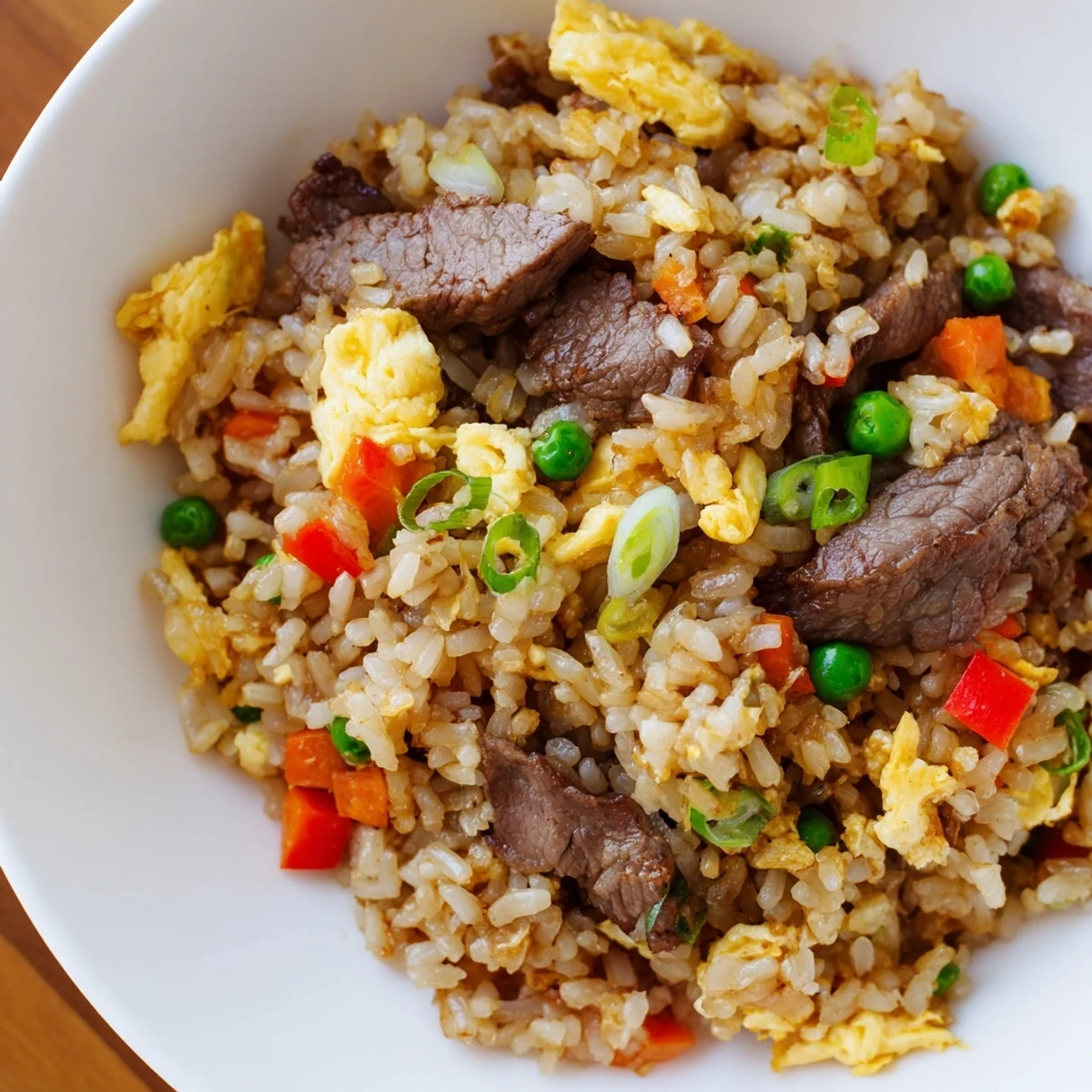
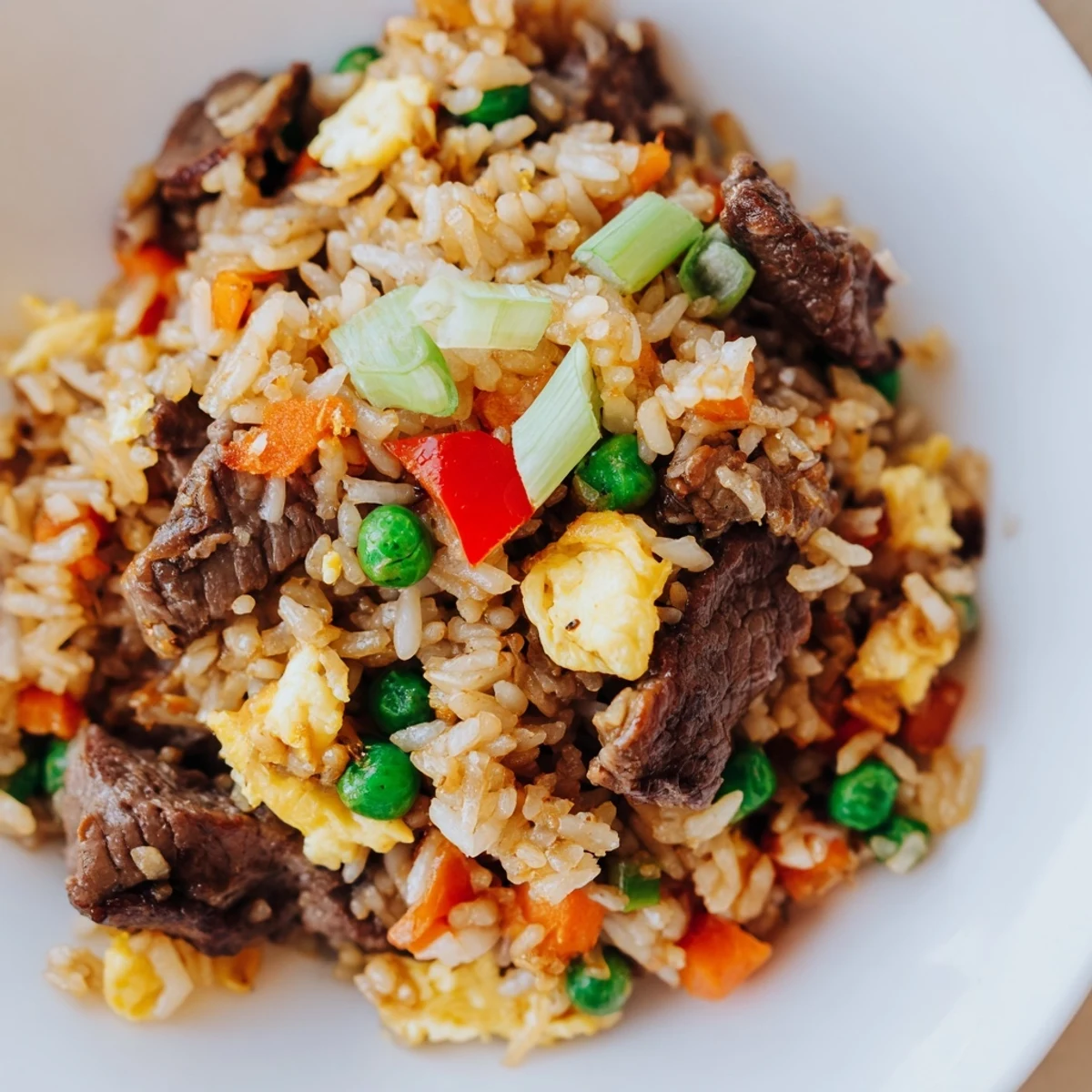
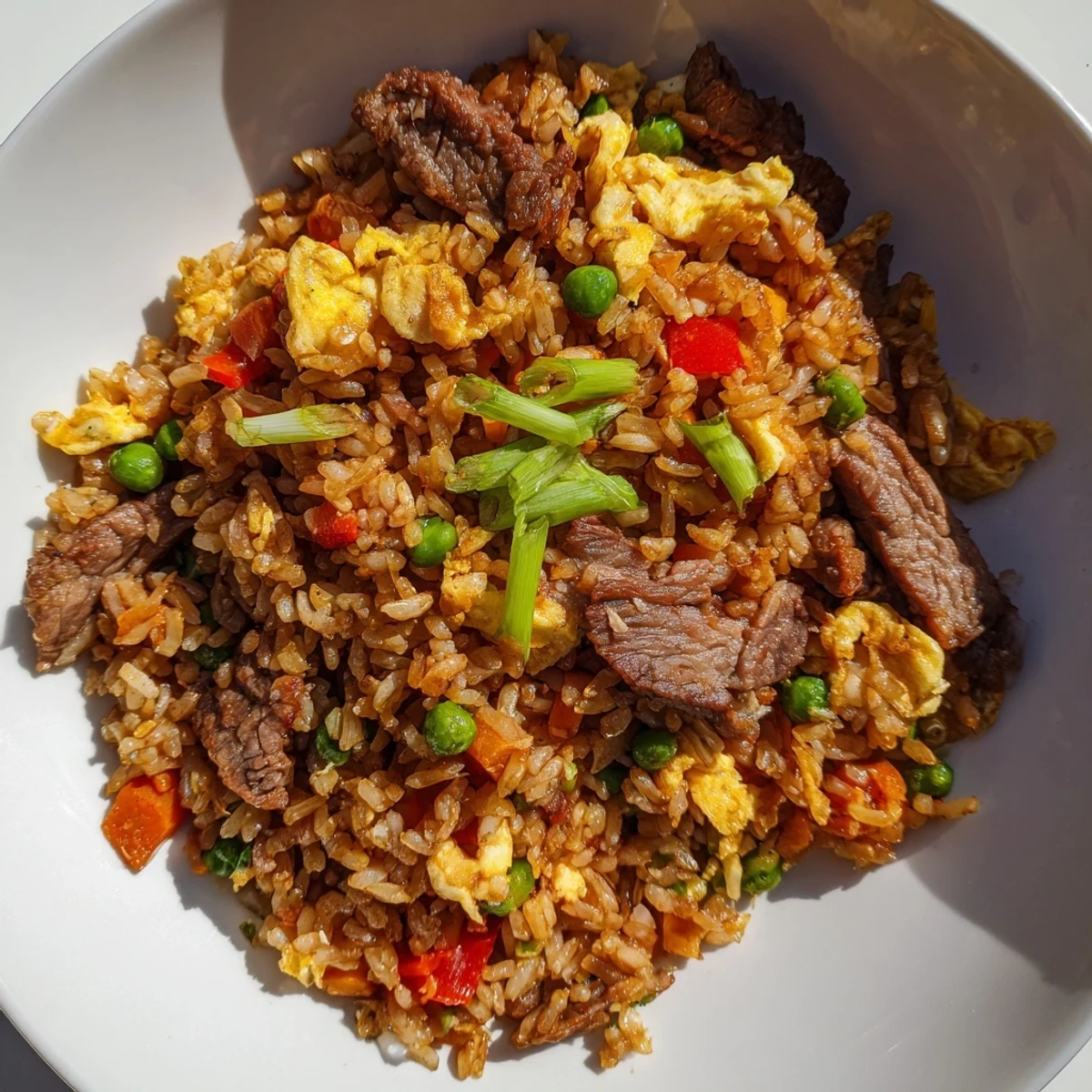
 This dish blends tender marinated beef with vibrant diced vegetables and fluffy scrambled egg, all stir-fried with fragrant jasmine rice. The soy and oyster sauces enrich the flavor profile, while quick stir-frying locks in freshness and texture. Ideal for a fast, balanced meal, it highlights the harmony of meat, vegetables, and rice, delivering both nutrition and satisfying taste. Adjustable to include different proteins or extra vegetables, it's versatile for various preferences.
There's something about the sound of a wok hitting high heat that makes everything feel possible in the kitchen. I discovered this beef fried rice on a Tuesday night when I had leftover rice, a craving for something warm, and exactly twenty minutes before I needed to eat. What started as improvisation became the dish I make whenever I want to feel like I'm cooking something impressive without the stress.
I made this for my roommate after she'd had a brutal day at work, and watching her face light up when she took that first bite reminded me why home cooking matters. She asked for the recipe immediately, and now it's become our go-to when we need comfort without ceremony.
Ingredients
- Flank steak or sirloin (250 g / 9 oz), thinly sliced: The thinner you slice it, the more surface area to soak up flavor, and it'll cook through in seconds if your heat is high enough.
- Soy sauce for beef marinade (1 tbsp): This isn't just seasoning—it's tenderizing the beef while you prep everything else.
- Cornstarch (1 tsp): A tiny amount creates a silky texture on the beef that makes it feel restaurant-quality.
- Sesame oil (1/2 tsp): Don't skip this; it's the whisper of something deeper that people taste but can't name.
- Carrot (1 medium, diced): The slight sweetness balances the savory soy, and dicing it small means it cooks in the time it takes to stir.
- Frozen peas (1/2 cup): Frozen is actually better than fresh here—they stay firm and don't turn to mush.
- Red bell pepper (1/2, diced): Color and a gentle sweetness that rounds out the dish beautifully.
- Spring onions (3, sliced): Split the white and green parts—white goes in for flavor, green goes at the very end for brightness.
- Garlic (2 cloves, minced): Mince it fine so it disappears into the oil and perfumes everything.
- Jasmine or long-grain rice (3 cups / about 500 g, cold and separated): Cold rice is non-negotiable; warm rice will clump and turn into a sticky mess.
- Large eggs (2): They scramble into threads that coat the rice with richness.
- Neutral oil for eggs (1 tbsp): Canola or sunflower work perfectly and won't compete with the other flavors.
- Soy sauce for sauce (2 tbsp): This is your main seasoning for the finished dish.
- Oyster sauce (1 tbsp): A depth of umami that makes people ask what you did differently.
- Fish sauce (1 tsp, optional): A tiny splash adds a savory note that makes the whole thing sing, but leave it out if it's not your thing.
- White pepper (1/4 tsp): Subtler than black pepper and adds warmth without visible specks.
- Vegetable oil (1 tbsp): For cooking the aromatics and vegetables.
- Salt to taste: Always taste before serving—you might need less than you think once the soy sauce is added.
Instructions
- Marinate the beef:
- In a bowl, combine your sliced beef with soy sauce, cornstarch, and sesame oil. Mix it well so every piece is coated, then set it aside while you prep the rest. This takes just a minute but makes a real difference in how tender it becomes.
- Prepare the eggs:
- Crack your eggs into a small bowl and beat them with a pinch of salt until they're pale and frothy. Set them beside your stove—you'll need them soon.
- Sear the beef:
- Heat oil in your wok over high heat until it shimmers. Add the beef in a single layer and don't touch it for about a minute—this is where the browning happens. Then stir for another minute until it's cooked through but still tender, then move it to a plate.
- Build the flavor base:
- Add another tablespoon of oil to the wok. Toss in your minced garlic and the white parts of the spring onions, stirring for just 30 seconds until your kitchen smells amazing. This is the moment everything gets aromatic.
- Cook the vegetables:
- Add your carrot, peas, and bell pepper, and stir-fry for 2 to 3 minutes until they're just tender but still have a tiny bit of crunch. You're not trying to soften them into submission—you want them to taste alive.
- Scramble the eggs:
- Push the vegetables to one side of the wok and pour in your beaten eggs. Let them sit for a few seconds, then scramble them gently, breaking them into small pieces as they cook. Once they're mostly set, toss everything together.
- Add the rice:
- Add your cold rice to the wok, breaking up any clumps with your spatula as you go. Stir constantly for about 2 minutes—you want every grain to get hot and slightly separated, not clumped together.
- Bring it all together:
- Return the beef to the wok. Pour in your soy sauce, oyster sauce, fish sauce if you're using it, and white pepper. Stir everything constantly for 2 to 3 minutes so the flavors coat every grain and every piece of beef.
- Final check and finish:
- Taste it. You might need a tiny pinch of salt, or you might need nothing at all. Stir in the green parts of your spring onions right at the end—they add a fresh note and a hint of color.
 Save to Pinterest
 The night I realized this was more than just a weeknight meal was when my partner came home stressed and quiet, and watching them relax over this simple dish felt like a small kind of magic. Food has a way of saying things you can't quite put into words.
The Wok Makes All the Difference
A wok is worth having in your kitchen if you make this regularly because its curved sides and wide cooking surface mean everything moves faster and heats more evenly. If you don't have one, a large, deep skillet works—just accept that it'll take a few extra seconds for everything to get as hot.
Timing Is Everything
This dish comes together in about fifteen minutes once you start cooking, which is both its greatest strength and the reason you need to have everything prepped and within arm's reach before you turn on the heat. Chopping while cooking will break your rhythm and cool down your wok, which is the enemy of good fried rice.
Room to Play and Adapt
This recipe is flexible in ways that make it perfect for whatever you have on hand or whatever you're craving that day. The beef is the star, but you could swap it for chicken, shrimp, or tofu without changing the technique at all, and extra vegetables like broccoli, sweetcorn, or snap peas slide in seamlessly.
- Leftover roasted vegetables work beautifully and add a depth that raw ones can't match.
- If you're spice-inclined, a touch of white pepper or even a small drizzle of chili oil at the end adds complexity.
- Pair it with jasmine tea or a crisp beer, and you've got something that feels both casual and intentional.
 Save to Pinterest
 This is the kind of dish that proves you don't need hours or a long list of fancy ingredients to make something that tastes like you care. Make it once, and you'll make it again and again.
Recipe Questions & Answers
- → What type of beef works best for this dish?
-
Thinly sliced flank steak or sirloin is ideal as it cooks quickly and stays tender during stir-frying.
- → Can I substitute the jasmine rice with another type?
-
Yes, long-grain rice works well, preferably cold and day-old to prevent clumping during stir-fry.
- → How do I avoid overcooking the vegetables?
-
Stir-fry the vegetables just until tender-crisp, typically 2 to 3 minutes, to maintain their texture and vibrant color.
- → What is the purpose of adding cornstarch to the beef marinade?
-
Cornstarch helps tenderize the beef and creates a smooth coating that locks in juices during stir-fry.
- → Can this dish be adapted for different dietary needs?
-
Absolutely. Beef can be swapped for chicken, tofu, or shrimp, and oyster or fish sauce can be replaced with vegan alternatives if needed.