
 Save to Pinterest
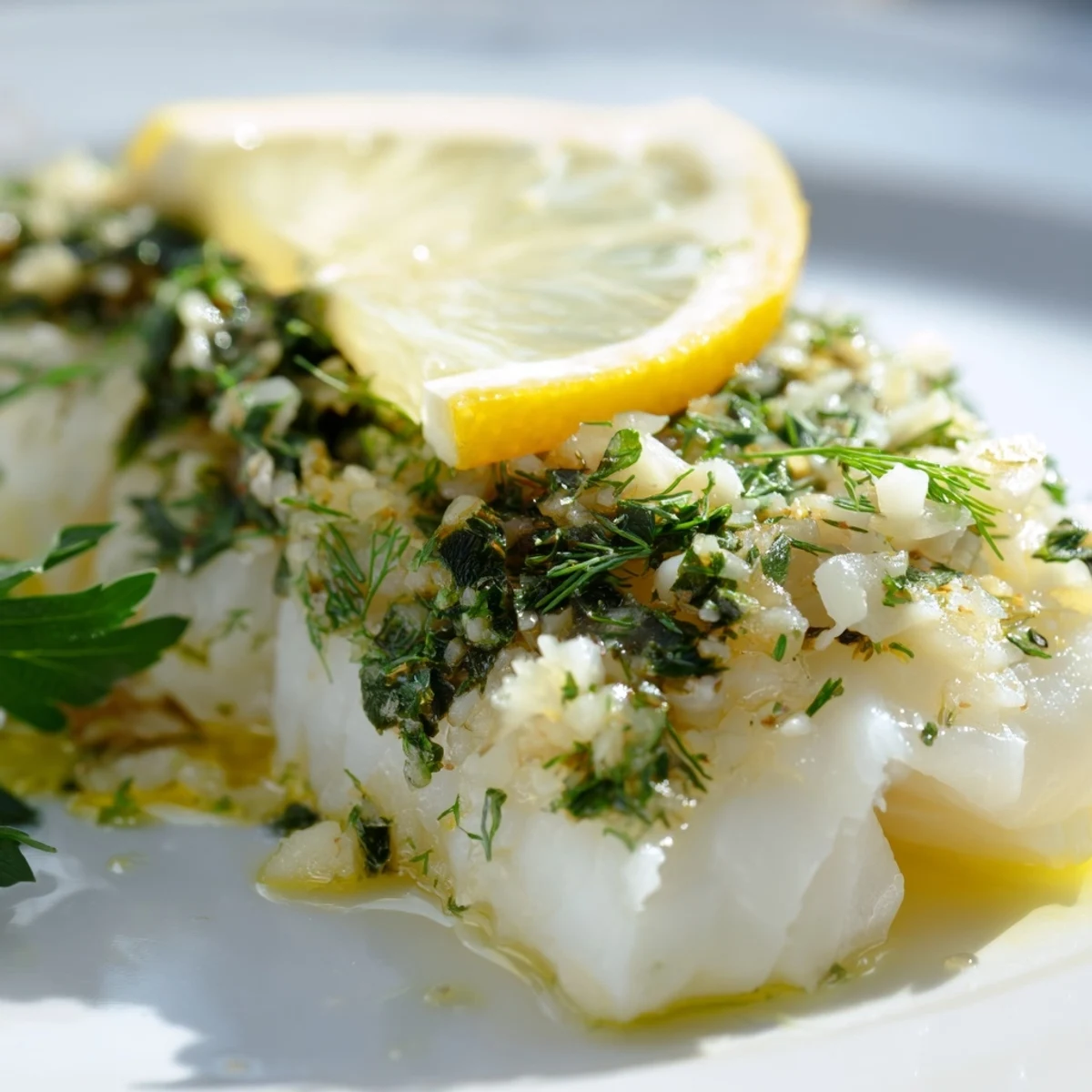
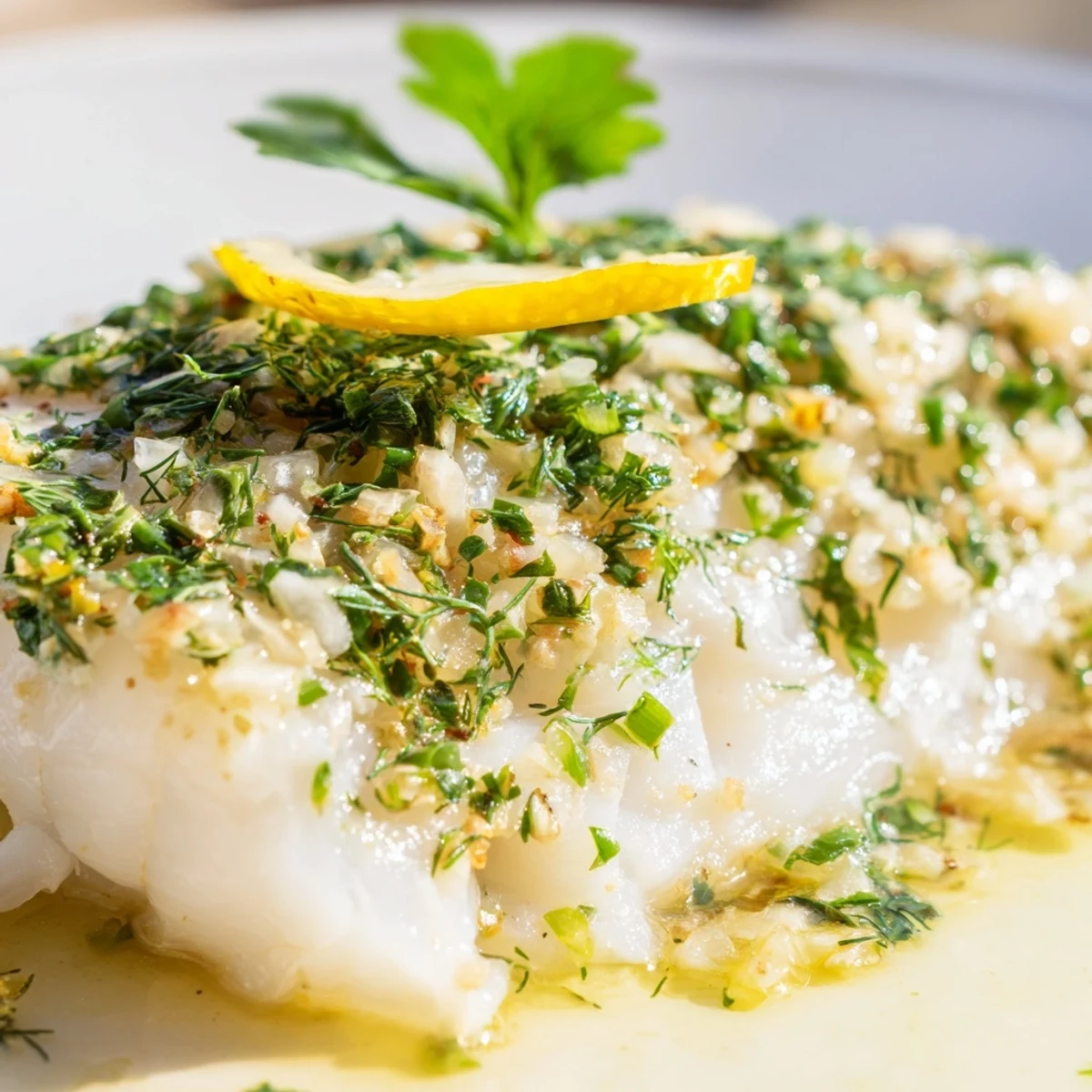
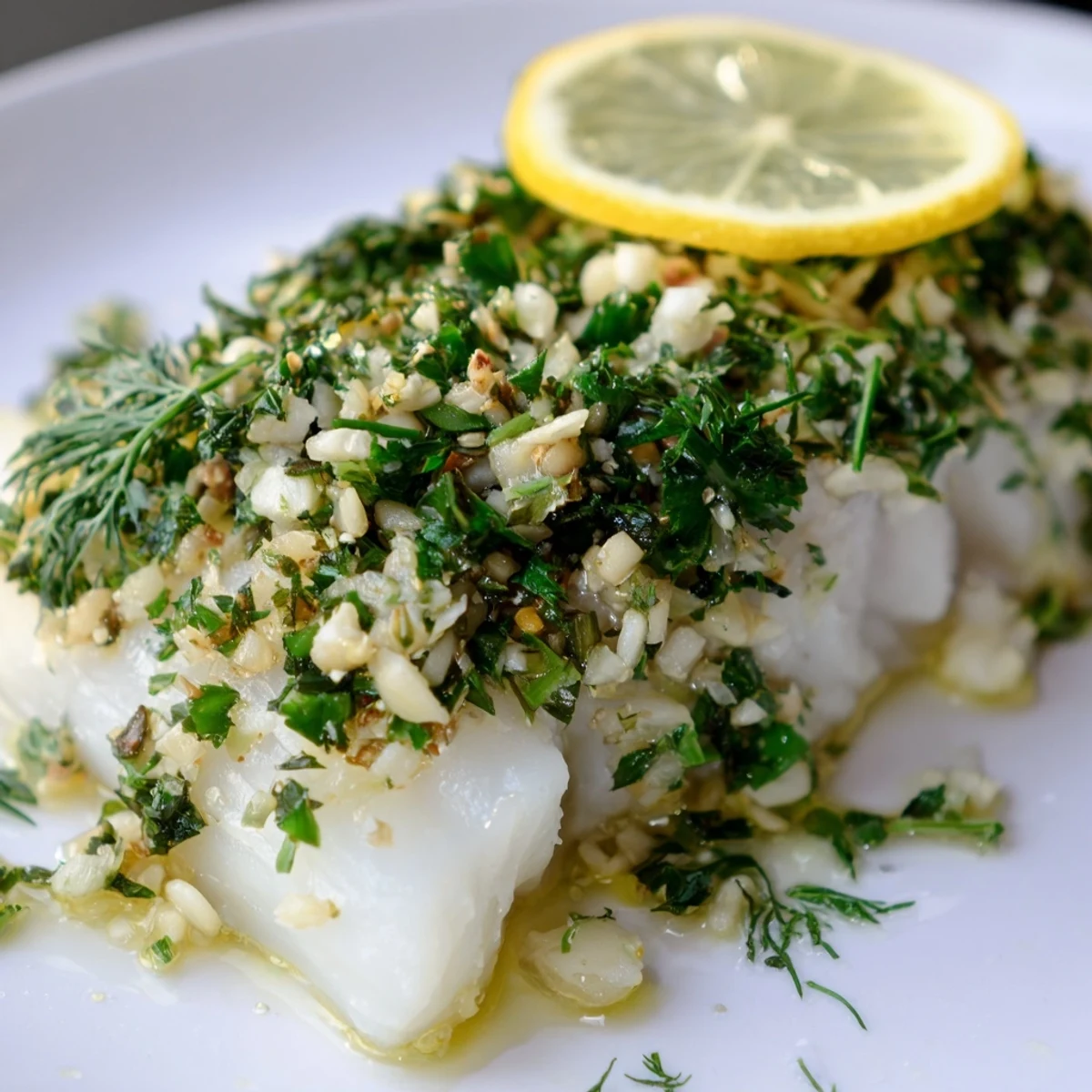
 This dish features flaky cod fillets baked to perfection with a fragrant blend of fresh parsley, dill, chives, and zesty lemon. A simple olive oil marinade infuses moisture and bright flavors while garlic adds depth. Baked at 200°C until the fish flakes easily, it offers a light yet satisfying meal. Ideal for quick, healthy Mediterranean-inspired dining, it pairs well with steamed vegetables or a crisp white wine.
My neighbor knocked on the door one evening with a bag of fresh cod from the fishmonger, insisting I do something quick with it before dinner. I had lemon on the counter, a handful of herbs from the garden still wet with dew, and maybe twenty minutes. What emerged from the oven—flaky, bright, effortless—became the dish I reach for whenever I need to feel like I've cooked something worthy of company without the fuss.
I made this for my sister during a visit when she'd been eating nothing but work-stress takeout for weeks. She took one bite and actually closed her eyes, and that simple gesture—pure contentment—made me realize how much power there is in something so honest and unadorned on a plate.
Ingredients
- Cod fillets: Look for thick, firm fillets with a slightly translucent sheen; thinner ones cook faster but can dry out, so choose pieces of similar size so they finish together.
- Extra-virgin olive oil: This is where flavor lives, so don't skip quality here—it carries the herbs right into the fish.
- Fresh parsley, dill, and chives: The trio matters more than the exact amounts; if one is missing, double another rather than leaving a gap.
- Garlic and lemon: Minced garlic softens during baking and becomes almost sweet, while fresh lemon juice added raw keeps brightness alive on the plate.
- Sea salt and pepper: Season generously but after tasting, because fish needs more than you'd expect to shine.
Instructions
- Get your oven ready and prepare the stage:
- Preheat to 200°C and line your baking dish with parchment—this prevents sticking and makes cleanup almost disappear. The parchment also catches the little bubbles of herb oil that escape, keeping them close to the fish where they belong.
- Dry the fish with intention:
- Pat each fillet thoroughly with paper towels; this small step prevents steam and helps the herb coating cling rather than slide off. The drier the surface, the more the flavors stick.
- Build your herb paste:
- Whisk together oil, herbs, garlic, lemon zest, juice, salt, and pepper in a small bowl until it looks loose and fragrant. Taste a tiny bit on your finger—you should feel brightness and savory depth, not just salt.
- Coat each fillet with care:
- Spoon the herb mixture over each piece and use the back of the spoon to gently spread it, letting a little pool form in any natural dips. Press very lightly so the herbs settle but don't tear the delicate flesh.
- Add the lemon garnish:
- Lay a thin slice of lemon on top of each fillet for both beauty and gentle citrus flavor as it roasts. The skin of the lemon will soften and become almost edible.
- Bake until just done:
- Watch the fish rather than the clock; it's ready when the thickest part looks opaque and a fork slides through without resistance. Fifteen to eighteen minutes is a guide, but every oven and every fillet thickness is different.
- Rest before serving:
- Two minutes out of the oven lets the fish relax and the flavors settle into stillness. This tiny pause makes everything taste more intentional.
 Save to Pinterest
 There's a quiet moment when you pull this from the oven—the kitchen filled with that clean, aromatic steam rising off the herbs and lemon—when cooking feels less like a task and more like a small ceremony. That's when I know the meal will be good.
The Power of Fresh Herbs
Dried herbs work in a pinch, but fresh ones change the entire character of this dish. The parsley brings a grassy note, dill adds something almost anise-like and delicate, and chives contribute a whisper of onion without any sharpness. Together they taste like someone cared, which matters more than technique on a plate like this.
Pairing and Serving
This fish asks for something light alongside it—roasted potatoes that are just starting to caramelize, or a salad dressed with only oil and vinegar so nothing competes with what's already on the plate. If you're pouring wine, a crisp Sauvignon Blanc or Pinot Grigio echoes the lemon and herb flavors without overwhelming delicate fish.
What Makes This Dish Work
The simplicity is the whole point. When you're not layering flavors or techniques, each ingredient has to be good—truly good. That means real olive oil, actual fresh herbs, a lemon that smells like summer, and fish so fresh it doesn't need excuses. The oven does the rest, turning minimal ingredients into something that tastes both effortless and intentional.
- If your fillets are thin, check them at the twelve-minute mark rather than waiting for eighteen.
- Save any herb oil that pools in the bottom of the dish to drizzle over the finished plate.
- Leftover fish, served cold the next day with a squeeze of fresh lemon, becomes an entirely different and equally lovely meal.
 Save to Pinterest
 This is the kind of recipe that quietly becomes a favorite because it never lets you down and never asks for much in return. Keep it in your back pocket for the evenings when you want something that tastes like care without the performance.
Recipe Questions & Answers
- → What is the best type of cod to use?
-
Skinless and boneless cod fillets work best for even cooking and ease of serving.
- → Can I substitute fresh herbs with dried?
-
Yes, use about one-third the amount of dried herbs to maintain balanced flavor.
- → How do I know when the cod is done?
-
The cod is done when it appears opaque throughout and flakes easily with a fork.
- → What sides complement this dish?
-
Steamed vegetables, roasted potatoes, or a light salad pair wonderfully with the baked cod.
- → Can I prepare this dish in advance?
-
Marinate the cod beforehand and keep refrigerated; bake just before serving for best texture.