
 Save to Pinterest
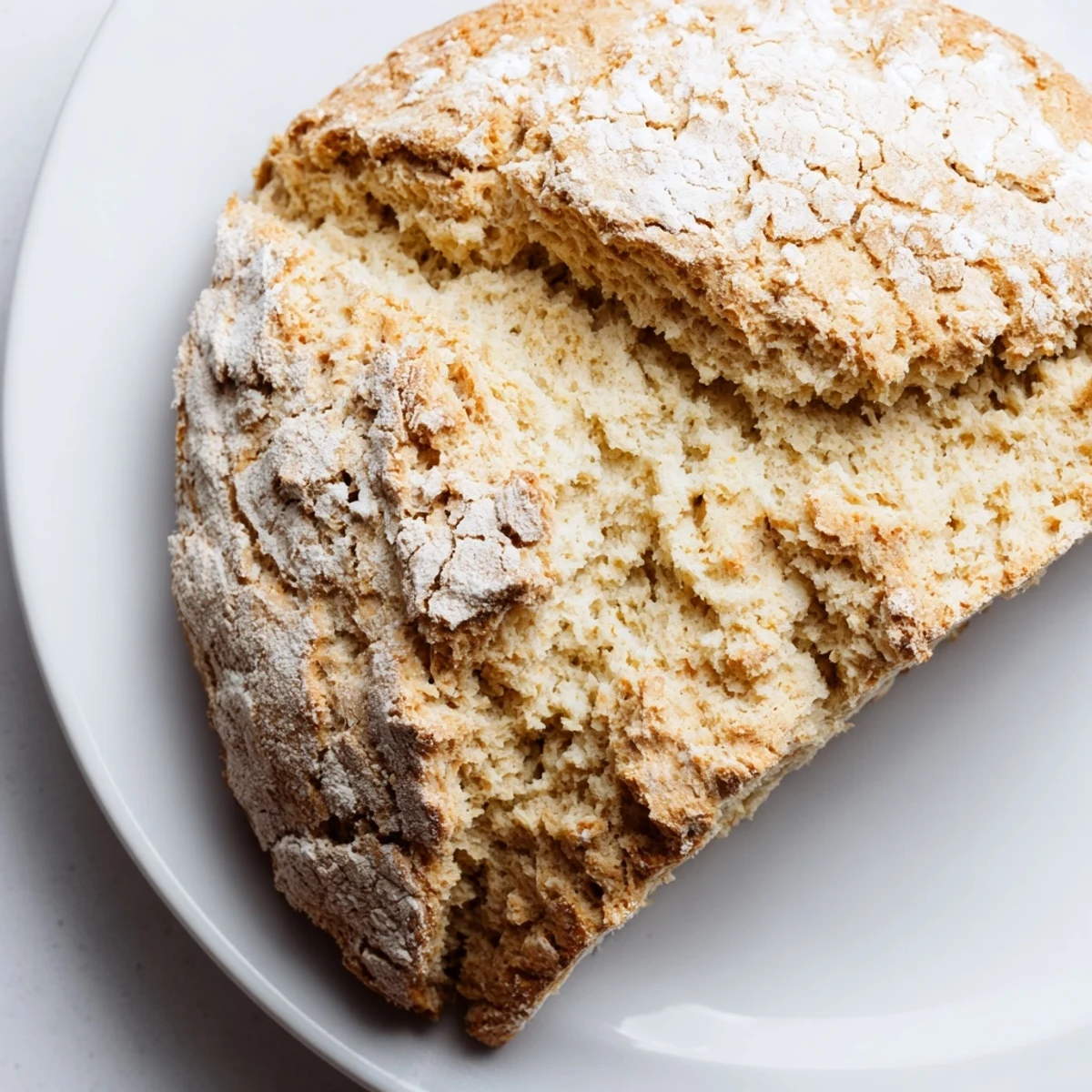
 This hearty Irish soda bread combines just four staple ingredients—flour, baking soda, salt, and buttermilk—to create a rustic loaf with a golden crust and tender crumb. Easy to prepare and baked in under an hour, it’s perfect alongside a warm stew or as part of a comforting breakfast. The dough requires gentle kneading and a signature deep X cut to allow even baking. For extra depth, you can swap half the flour for whole wheat or substitute buttermilk with milk and lemon juice. Enjoy warm with butter or jam for a satisfying treat.
The kitchen was already warm from the stove when I first attempted soda bread, expecting some complicated process involving yeast and patience. Instead, I had a golden loaf cooling on the counter before I even finished my morning coffee—this is the kind of magic that happens when you let simple ingredients do exactly what they were meant to do.
My grandmother would shake her head at how often I reach for store bought bread now, but she was the one who taught me that the best things in the kitchen dont require proofing or rising time. We would make this together when unexpected guests arrived, and somehow the conversation always flowed better with warm bread and salted butter on the table.
Ingredients
- All-purpose flour: Four cups create the perfect structure, though I learned to measure by weight (500g) for consistency
- Baking soda: Just one teaspoon provides all the lift this bread needs—no yeast required
- Fine sea salt: Enhances the natural flavor without overwhelming the subtle sweetness
- Buttermilk: The acid here activates the baking soda while creating that tender texture we love
Instructions
- Preheat and prepare:
- Heat your oven to 425°F (220°C) and line a baking sheet with parchment paper or give it a light dusting of flour
- Mix the dry ingredients:
- Whisk together the flour, baking soda, and salt in a large bowl until everything is evenly distributed
- Combine and form the dough:
- Make a well in the center, pour in the buttermilk, and stir gently until a shaggy dough forms, then turn onto a floured surface and knead just until it comes together
- Shape and score:
- Form the dough into a round, slightly flattened loaf about 2 inches thick, place on your prepared sheet, and cut a deep X across the top with a sharp knife
- Bake to golden perfection:
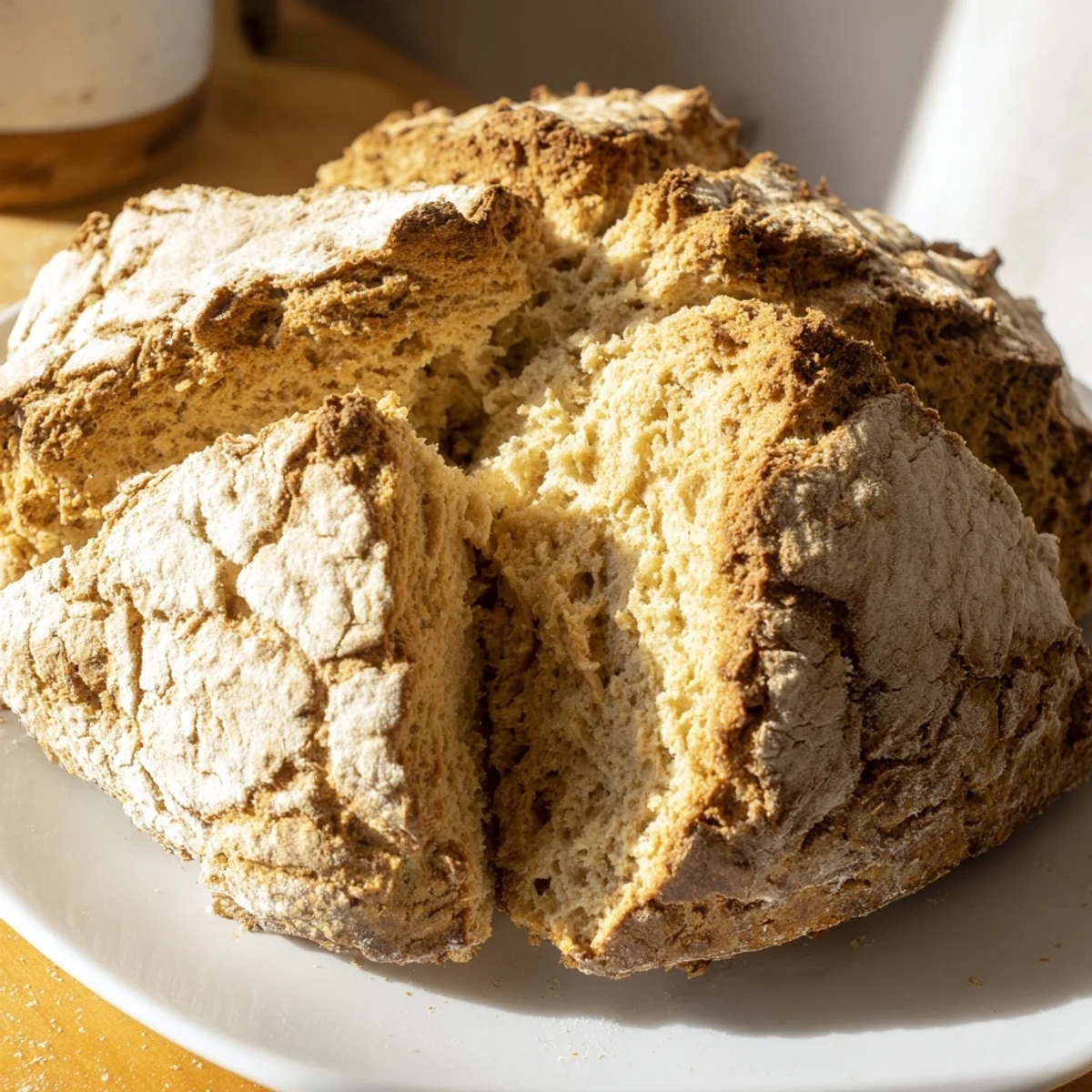
- Bake for 30 to 35 minutes until the loaf is beautifully golden and sounds hollow when tapped on the bottom
- Cool before slicing:
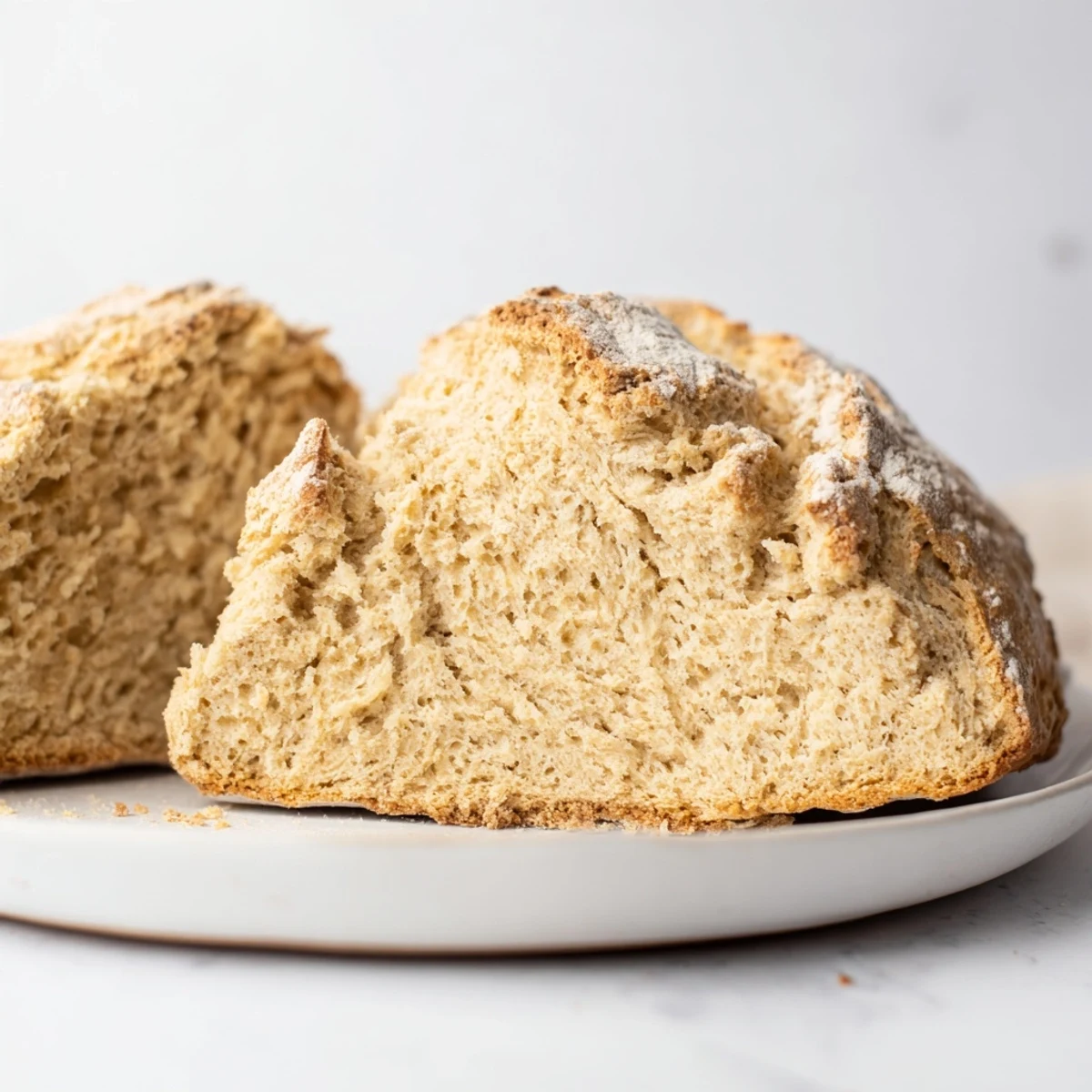
- Let the bread rest on a wire rack for at least 30 minutes—slicing too soon will steam the crumb and ruin the texture
 Save to Pinterest
 There was a rainy Tuesday last November when I made three loaves back to back because my roommate kept eating them straight from the cooling rack. Now it is our tradition whenever the weather turns gloomy, and we never regret the flour dusted counters.
Making It Your Own
Half whole wheat flour adds wonderful nuttiness and extra fiber without compromising the texture too much. I have also tossed in toasted seeds or a handful of raisins when the mood strikes—this bread forgives almost any variation.
The Buttermilk Secret
Real buttermilk makes a difference you can taste, but in a pinch, regular milk mixed with lemon juice or vinegar works beautifully. Let it sit for five minutes until it thickens slightly, and proceed as if nothing happened.
Serving Suggestions
Warm slices with salted butter are non negotiable at my house, but this bread also shines alongside hearty stews and soups. The next morning, try it toasted with jam or use slightly stale slices to make the most incredible bread pudding.
- Wrap cooled bread in a clean kitchen towel to keep it fresh for up to two days
- Freeze extra loaves wrapped tightly in plastic and foil for up to three months
- Revive day old bread by sprinkling with water and reheating at 350°F for 10 minutes
 Save to Pinterest
 The best part about this recipe is how it reminds us that sometimes the simplest things in the kitchen are also the most satisfying. May your kitchen always smell like warm bread.
Recipe Questions & Answers
- → What type of flour works best?
-
All-purpose flour is traditional, but you can substitute half with whole wheat flour for a nuttier flavor and denser texture.
- → Can I replace buttermilk?
-
Yes, mix 1 3/4 cups of milk with 1.5 tablespoons lemon juice or vinegar and let it sit for 5 minutes to mimic buttermilk’s acidity.
- → Why is the X cut important?
-
The deep X on top allows the loaf to expand evenly during baking and gives the bread its characteristic appearance.
- → How do I know when the bread is done?
-
The crust should be golden brown, and tapping underneath should sound hollow, indicating it’s fully baked inside.
- → What is the best way to serve this bread?
-
Serve warm, ideally with salted butter or your favorite jam to complement the bread’s rustic flavor.